


Freezing Rain Crashes Zilwaukee: See The Chaos Unfold
It’s storm season in Michigan, and the “freezing rain crashes zilwaukee” situation is trending for all the right—and wrong—reasons. We’re seeing rare winter weather spark chain-reaction collisions, spark debates about road safety, and even prompt nods to local cannabis culture. When a community landmark like the Zilwaukee Bridge goes from icy marvel to accident gridlock, you know there’s more at play than just cold fronts. In this breakdown, you’ll get why the freezing rain crashes zilwaukee really matter, the facts behind the chaos, and how cannabis fits into the real-world conversation.
How Did We Get Here? Regulatory, Social, and Market Forces Behind the Scene
The Zilwaukee Bridge isn’t just another stretch of I-75, it’s a 125-foot-tall gateway connecting Michigan drivers from Saginaw up into the north. Local culture and weather make it infamous every winter. According to Michigan Department of Transportation, heavy winter precipitation complicates traffic safety, stretches emergency resources, and increases the risk of multi-vehicle collisions. Add in evolving cannabis laws, like those defined by the Michigan Cannabis Regulatory Agency, and you have a social climate that’s as shifting as the Great Lakes themselves. Major changes in marijuana regulations aren’t limited to Michigan; see how policies like those in Texas have affected broader consumer behaviors by exploring the impact of Texas THC bans that unexpectedly fueled major scams.
The merging of new cannabis freedoms and long-standing winter road woes has brought about challenges, including impaired driving rules, shifting social acceptance, and consumer education about responsible consumption. These conditions set the stage for how communities perceive incidents like the freezing rain crashes zilwaukee, and inform the public’s reaction to everything from traffic reports to roadside cannabis finds.
Chain Reactions and Emergency Response: Key Developments on the Zilwaukee Bridge
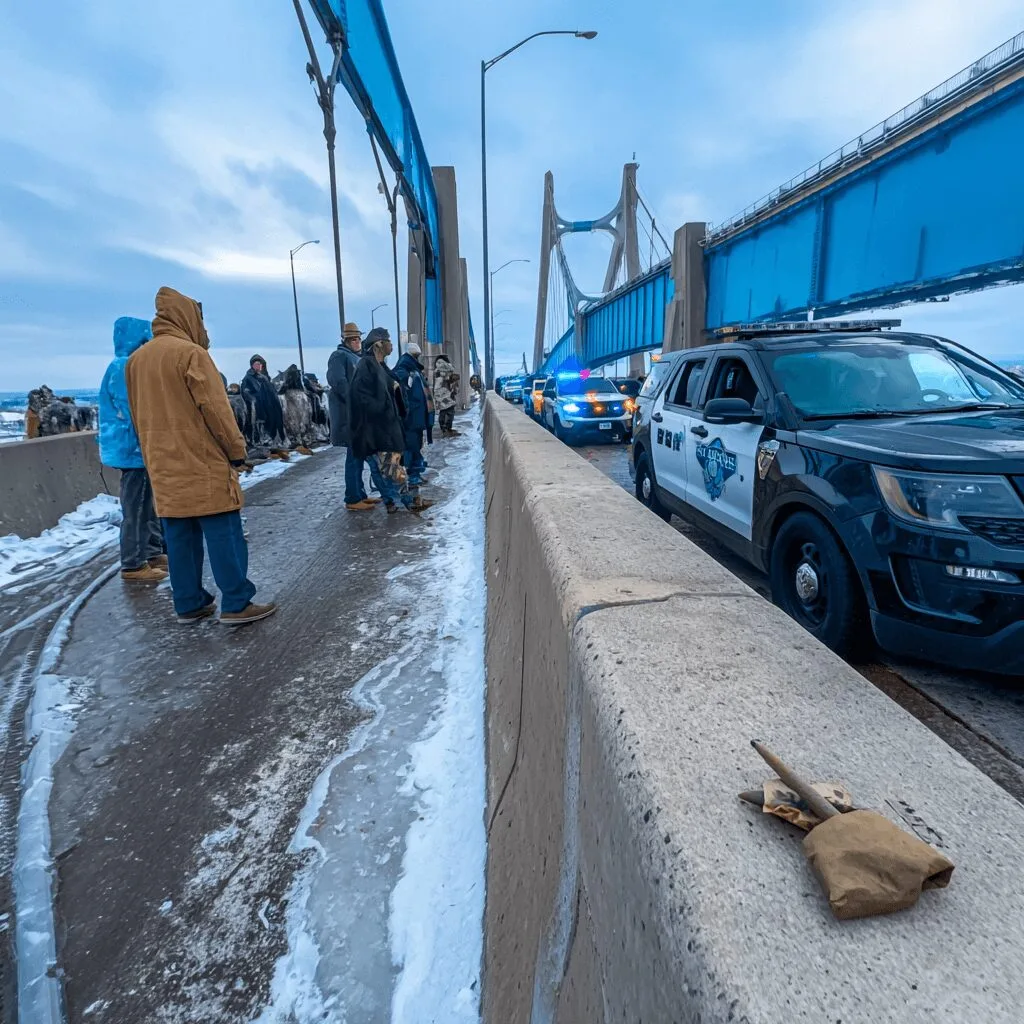
On December 26, 2025, according to WILX News, freezing rain transformed the Zilwaukee Bridge into a slick, treacherous stretch. Multiple vehicles lost control, causing a domino effect of crashes that left cars spun out, guardrails dented, and traffic halted for hours. Local authorities, including Michigan State Police and Saginaw County emergency responders, swiftly closed down the bridge for public safety. Eyewitnesses described the chaos, with emergency vehicles lighting up the winter gray and bystanders in heavy coats sorting through the aftermath. For those following evolving policy debates, it’s worth noting that shifting national rules continue to have ripple effects—cannabis legal reclassification recently changed how state and federal officials interpret both impairment and enforcement challenges.
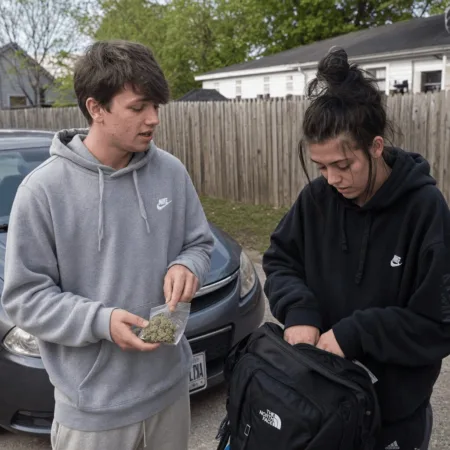
One detail grabbed the attention of both the public and cannabis advocates, as a forgotten cannabis joint and a pouch were photographed on a guardrail in the aftermath. This scene wasn’t just about the freezing rain crashes zilwaukee, it sparked an ongoing conversation about cannabis culture’s place in daily Michigan life. Recent state accident reports, referenced by MLive, note that while distracted or impaired driving remains a concern, the leading factor in these crashes was almost certainly the icy roads—not cannabis use.
Analyzing the Storm: Cannabis, Perception, and Industry Realities
What’s the bigger lesson in the freezing rain crashes zilwaukee? Michigan’s cannabis community knows how to spot a teachable moment. Experts stress that while cannabis was found at the scene, there’s no evidence it caused any accidents. As Marijuana Moment regularly points out, nuanced reporting is key when cannabis is involved in public incidents. “Weather and road conditions, not cannabis, were primarily to blame,” explains Dr. Rachel Norman, a public policy researcher quoted by The Detroit News. The snapshot of a pouch and joint might be a sign of Michigan’s evolving acceptance, but it shouldn’t detract from the realities of safe driving.
The state isn’t alone in highlighting responsible use and robust regulation. For example, some California counties have sparked local revolutions built around cannabis reform and innovative business development, similar to what’s been happening in Ventura County where cannabis industry changes drive local economies. According to Cannabis Business Times, Michigan’s robust cannabis testing, licensing, and compliance requirements go a long way in promoting responsible consumption and deterring impaired driving. Statewide campaigns jointly managed by Michigan Department of Transportation and the CRA reinforce the message: safety first, for everyone on the road, regardless of what might be in your pocket.
Looking Ahead: What the Freezing Rain Crashes Zilwaukee Mean for Our Industry
The freezing rain crashes zilwaukee event is a fresh reminder that winter hazards and human behavior often intersect in unpredictable ways. But this moment also showcases the resilience and maturity taking hold in Michigan’s cannabis community. With forward-looking regulators, active public safety campaigns, and ongoing public education, the state proves it can handle complexity with nuance.
According to Leafly’s regulatory roundup, Michigan is a leader in adapting policy and public messaging for a rapidly normalizing cannabis market. So whether you’re driving across the Zilwaukee Bridge or just rolling one up safely at home, the road ahead looks clearer—icy conditions and all. Community, safety, and sensible cannabis stewardship remain at the heart of Michigan’s journey forward.
Originally reported by: wilx.com