Texas THC ban impact: Shocking Gift Card Scam Unveiled
There’s no hotter topic right now in Texas cannabis circles than the cascading Texas THC ban impact hitting communities, entrepreneurs, and even the black market. New restrictions don’t just change how folks access wellness products—they create ripple effects, shifting behaviors in ways no one sees coming until the headlines hit. One of those shockwaves: a jaw-dropping $1.4 million gift card scam recently busted, showing exactly how legal moves shake up both people and business. Grab your vape pens, keep an eye on your wallets, and dive in as we dissect the real-world impacts behind this wild Texas THC story.
{
“FirstS”: “
A Landscape in Turmoil: Texas THC Ban Impact, Regulation, and Market Forces
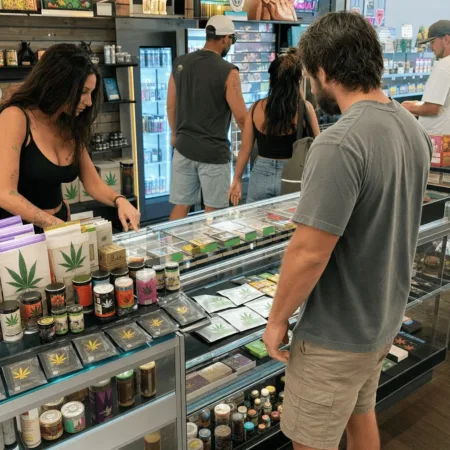
Everything about the Texas THC ban impact starts with the state’s recent tightening of laws around hemp-derived cannabinoids and cannabis alternatives. Lawmakers recently moved to restrict access to products like Delta-8 and hemp-derived THC, aiming to close perceived ‘loopholes’ in the 2018 federal Farm Bill, according to The Texas Tribune. These new restrictions have generated confusion for consumers and retailers, whose shelves, from CBD dispensaries to corner gas stations, have been stripped of sleep aids, edibles, and wellness products overnight. Social groups fear negative impacts on personal freedom and patient choice, while industry advocates, like Texans for Responsible Marijuana Policy, argue these bans only spark illicit trade and consumer risk. The black market moves quickly to exploit gaps, all while Texas lags behind states embracing adult-use legalization. For a deeper dive into local market revolutions inspired by evolving cannabis policy, see how Ventura County’s cannabis business landscape is sparking broader changes. Just like that, the Texas THC ban impact ripples through every level, from casual users to big business, and dark corners flourish where open markets disappear.
“,
“SecondS”: “
Unpacking the Shocking Gift Card Scam: Facts and Fallout
It sounds unbelievable, but it’s real—I’m talking about the $1.4 million scam linked directly to the Texas THC ban impact. On March 2024, NBCDFW reported that three individuals were arrested for orchestrating a massive fraudulent operation involving thousands of manipulated gift cards (NBCDFW). According to court records, this group targeted vulnerable folks newly cut off from legal access to cannabis alternatives as a result of Texas’ THC crackdown.
Investigators believe the suspects recruited people from social media platforms and cannabis forums, promising discounted cannabis products or “workarounds.” Victims handed over money for supposed legal edibles or vape pens—only to get stuck with worthless gift cards or nothing at all. It all came to a head in Dallas, where law enforcement seized evidence linking dozens of fraudulent financial transactions to evolving loopholes in Texas cannabis law (Dallas Morning News). These stories highlight just how rapidly regulations can shape criminal innovation, and if you’re curious about legal shifts elsewhere, look at recent updates on Louisiana’s marijuana policies. With the law changing fast and products disappearing, a new criminal playbook emerged, funded by the fallout from the Texas THC ban impact.
“,
“ThirdS”: “
Expert Insights: The Growing Pains of Prohibition and the Texas THC Ban Impact
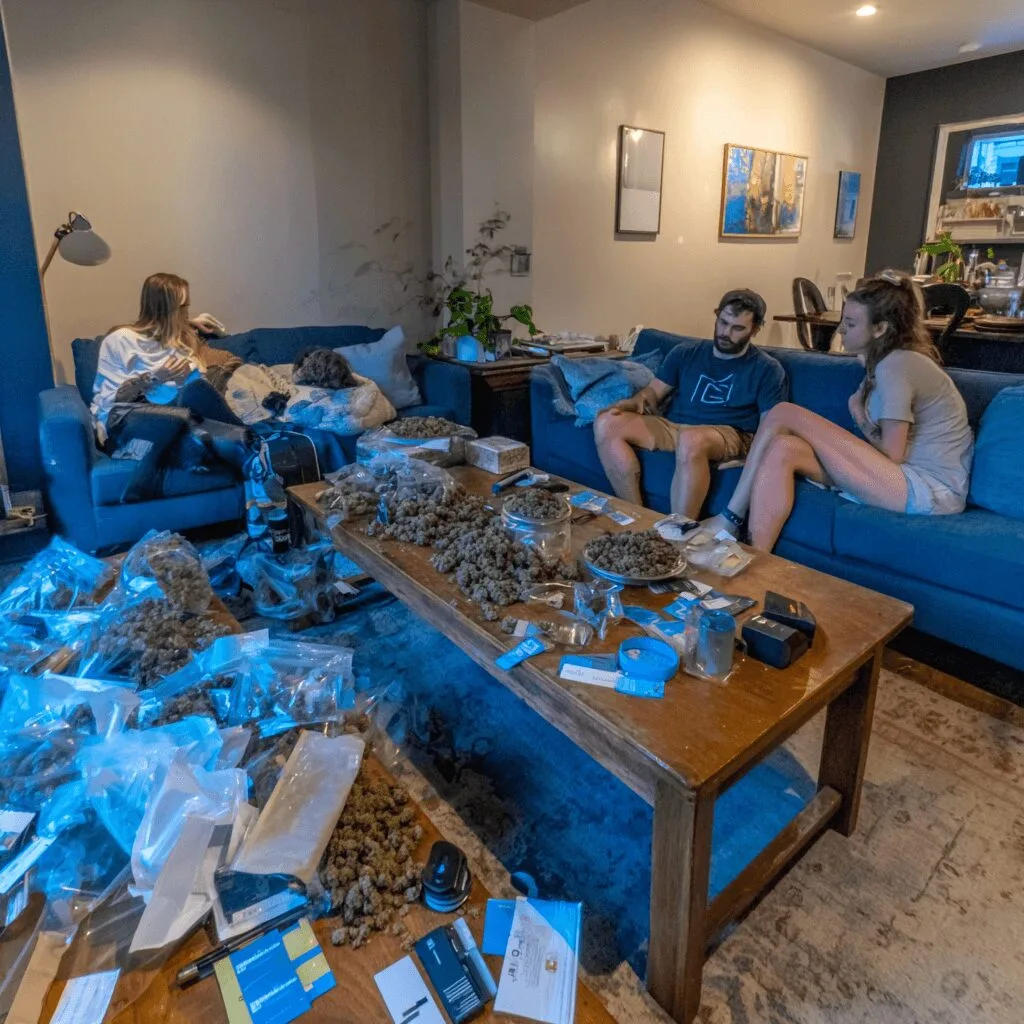
Here’s where a longtime advocate sees the writing on the wall: market restrictions never stop demand, they just change where folks go to get what they need. As Leafly editor Bruce Barcott wrote, “Every time a state clamps down on hemp-derived THC, a shadow market opens in its place. Demand doesn’t disappear; it just might show up in your neighbor’s living room or online in risky, underground transactions.”
This Texas THC ban impact is a classic example. Crackdowns on legal and regulated cannabis alternatives drive consumers toward unsavory actors, while businesses aiming to do things right get squeezed out. As seen in similar enforcement waves in New York and Georgia (Forbes), these policies almost always backfire, forcing market adaptation in ways that rarely help public safety, consumer wellness, or state revenues. For further context on the path toward reclassification and opportunity, take a look at the latest analysis on the impact of legal cannabis reclassification. Industry experts agree the long-term answer starts with embracing regulation, education, and safe access, not heavier bans.
”
}
“`
{
“FirstS”: “
A Landscape in Turmoil: Texas THC Ban Impact, Regulation, and Market Forces
Everything about the Texas THC ban impact starts with the state’s recent tightening of laws around hemp-derived cannabinoids and cannabis alternatives. Lawmakers recently moved to restrict access to products like Delta-8 and hemp-derived THC, aiming to close perceived ‘loopholes’ in the 2018 federal Farm Bill, according to The Texas Tribune. These new restrictions have generated confusion for consumers and retailers, whose shelves, from CBD dispensaries to corner gas stations, have been stripped of sleep aids, edibles, and wellness products overnight. Social groups fear negative impacts on personal freedom and patient choice, while industry advocates, like Texans for Responsible Marijuana Policy, argue these bans only spark illicit trade and consumer risk. The black market moves quickly to exploit gaps, all while Texas lags behind states embracing adult-use legalization. For a deeper dive into local market revolutions inspired by evolving cannabis policy, see how Ventura County’s cannabis business landscape is sparking broader changes. Just like that, the Texas THC ban impact ripples through every level, from casual users to big business, and dark corners flourish where open markets disappear.
“,
“SecondS”: “
Unpacking the Shocking Gift Card Scam: Facts and Fallout
It sounds unbelievable, but it’s real—I’m talking about the $1.4 million scam linked directly to the Texas THC ban impact. On March 2024, NBCDFW reported that three individuals were arrested for orchestrating a massive fraudulent operation involving thousands of manipulated gift cards (NBCDFW). According to court records, this group targeted vulnerable folks newly cut off from legal access to cannabis alternatives as a result of Texas’ THC crackdown.
Investigators believe the suspects recruited people from social media platforms and cannabis forums, promising discounted cannabis products or “workarounds.” Victims handed over money for supposed legal edibles or vape pens—only to get stuck with worthless gift cards or nothing at all. It all came to a head in Dallas, where law enforcement seized evidence linking dozens of fraudulent financial transactions to evolving loopholes in Texas cannabis law (Dallas Morning News). These stories highlight just how rapidly regulations can shape criminal innovation, and if you’re curious about legal shifts elsewhere, look at recent updates on Louisiana’s marijuana policies. With the law changing fast and products disappearing, a new criminal playbook emerged, funded by the fallout from the Texas THC ban impact.
“,
“ThirdS”: “
Expert Insights: The Growing Pains of Prohibition and the Texas THC Ban Impact
Here’s where a longtime advocate sees the writing on the wall: market restrictions never stop demand, they just change where folks go to get what they need. As Leafly editor Bruce Barcott wrote, “Every time a state clamps down on hemp-derived THC, a shadow market opens in its place. Demand doesn’t disappear; it just might show up in your neighbor’s living room or online in risky, underground transactions.”
This Texas THC ban impact is a classic example. Crackdowns on legal and regulated cannabis alternatives drive consumers toward unsavory actors, while businesses aiming to do things right get squeezed out. As seen in similar enforcement waves in New York and Georgia (Forbes), these policies almost always backfire, forcing market adaptation in ways that rarely help public safety, consumer wellness, or state revenues. For further context on the path toward reclassification and opportunity, take a look at the latest analysis on the impact of legal cannabis reclassification. Industry experts agree the long-term answer starts with embracing regulation, education, and safe access, not heavier bans.
”
}
“`
{
“FirstS”: “
A Landscape in Turmoil: Texas THC Ban Impact, Regulation, and Market Forces
Everything about the Texas THC ban impact starts with the state’s recent tightening of laws around hemp-derived cannabinoids and cannabis alternatives. Lawmakers recently moved to restrict access to products like Delta-8 and hemp-derived THC, aiming to close perceived ‘loopholes’ in the 2018 federal Farm Bill, according to The Texas Tribune. These new restrictions have generated confusion for consumers and retailers, whose shelves, from CBD dispensaries to corner gas stations, have been stripped of sleep aids, edibles, and wellness products overnight. Social groups fear negative impacts on personal freedom and patient choice, while industry advocates, like Texans for Responsible Marijuana Policy, argue these bans only spark illicit trade and consumer risk. The black market moves quickly to exploit gaps, all while Texas lags behind states embracing adult-use legalization. For a deeper dive into local market revolutions inspired by evolving cannabis policy, see how Ventura County’s cannabis business landscape is sparking broader changes. Just like that, the Texas THC ban impact ripples through every level, from casual users to big business, and dark corners flourish where open markets disappear.
“,
“SecondS”: “
Unpacking the Shocking Gift Card Scam: Facts and Fallout
It sounds unbelievable, but it’s real—I’m talking about the $1.4 million scam linked directly to the Texas THC ban impact. On March 2024, NBCDFW reported that three individuals were arrested for orchestrating a massive fraudulent operation involving thousands of manipulated gift cards (NBCDFW). According to court records, this group targeted vulnerable folks newly cut off from legal access to cannabis alternatives as a result of Texas’ THC crackdown.
Investigators believe the suspects recruited people from social media platforms and cannabis forums, promising discounted cannabis products or “workarounds.” Victims handed over money for supposed legal edibles or vape pens—only to get stuck with worthless gift cards or nothing at all. It all came to a head in Dallas, where law enforcement seized evidence linking dozens of fraudulent financial transactions to evolving loopholes in Texas cannabis law (Dallas Morning News). These stories highlight just how rapidly regulations can shape criminal innovation, and if you’re curious about legal shifts elsewhere, look at recent updates on Louisiana’s marijuana policies. With the law changing fast and products disappearing, a new criminal playbook emerged, funded by the fallout from the Texas THC ban impact.
“,
“ThirdS”: “
Expert Insights: The Growing Pains of Prohibition and the Texas THC Ban Impact
Here’s where a longtime advocate sees the writing on the wall: market restrictions never stop demand, they just change where folks go to get what they need. As Leafly editor Bruce Barcott wrote, “Every time a state clamps down on hemp-derived THC, a shadow market opens in its place. Demand doesn’t disappear; it just might show up in your neighbor’s living room or online in risky, underground transactions.”
This Texas THC ban impact is a classic example. Crackdowns on legal and regulated cannabis alternatives drive consumers toward unsavory actors, while businesses aiming to do things right get squeezed out. As seen in similar enforcement waves in New York and Georgia (Forbes), these policies almost always backfire, forcing market adaptation in ways that rarely help public safety, consumer wellness, or state revenues. For further context on the path toward reclassification and opportunity, take a look at the latest analysis on the impact of legal cannabis reclassification. Industry experts agree the long-term answer starts with embracing regulation, education, and safe access, not heavier bans.
”
}
“`
Future Outlook: Navigating the Texas THC Ban Impact and Beyond
Despite the drama, there’s hope ahead. Each headline about the Texas THC ban impact sparks more robust advocacy for clear, science-based cannabis policy. In recent months, the Texas House advanced bills to study medical cannabis expansion, and leading industry organizations, like NORML, see steady gains in public support for common-sense reform (NORML). The lesson? Barriers and stigma may remain, but Texans are pushing for safer, regulated access. The industry’s future hangs on harmonizing laws, boosting transparency, and empowering consumers—so maybe next time, the story won’t be about scams, but about community-inspired solutions. Stay tuned, stay informed, and keep those positive vibes rolling for cannabis progress in the Lone Star State!
Originally reported by: nbcdfw.com