

Cannabis Conditional Use Permit: What You Need to Know
Let’s be real — the cannabis game is changing faster than you can roll one. As legalization and business opportunities expand, the phrase cannabis conditional use permit has gone from industry jargon to front-page news. Right now, more cities are holding public hearings on these permits, setting crucial precedents for cannabis operations. If you’re curious about how this regulatory buzz impacts patients, entrepreneurs, and your local community, you’re not alone. This guide breaks down the current landscape, what’s happening in the headlines, and why savvy cannabis advocates can’t afford to tune out these developments.
The Regulatory Backdrop: How Conditional Use Permits Shape Cannabis
Here’s the deal, not all cannabis business licenses are created equal. A cannabis conditional use permit (CUP) is a crucial regulatory step, typically required before any cannabis business—think cultivation, manufacturing, or retail—can open for business. These permits aren’t a guaranteed pass, cities use them to gauge if a cannabis operation fits within local zoning laws, safety standards, and community values. The stakes are high, with public safety, neighborhood character, and market stability all in play.
According to the National Organization for the Reform of Marijuana Laws (NORML), local governments increasingly rely on these permits to balance economic opportunity with neighborhood concerns. Some cities open doors to cannabis, hoping to drive jobs and tax revenue. Others use the permit application process as a firewall, controlling who gets in and under what rules. It’s not just bureaucracy, it’s local democracy, baked into every approval.
Industry analysts from MJBizDaily highlight that conditional use permits often include strict operational standards, such as security plans, environmental safeguards, and community impact statements. They are designed to hold cannabis businesses to higher standards than non-cannabis ventures, reflecting ongoing social stigma and the complexity of federal-state legal conflicts. At this crossroads, the cannabis conditional use permit is both a gatekeeper and a green light for industry growth. As counties across the US debate policy changes, for example, some local ordinances are reshaping the future of cannabis business regulations.
Key Developments: Bloomington’s Permit Hearing Makes Headlines
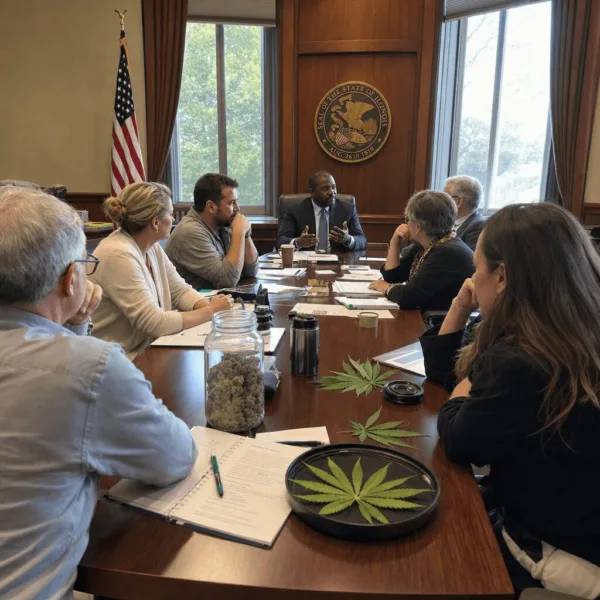
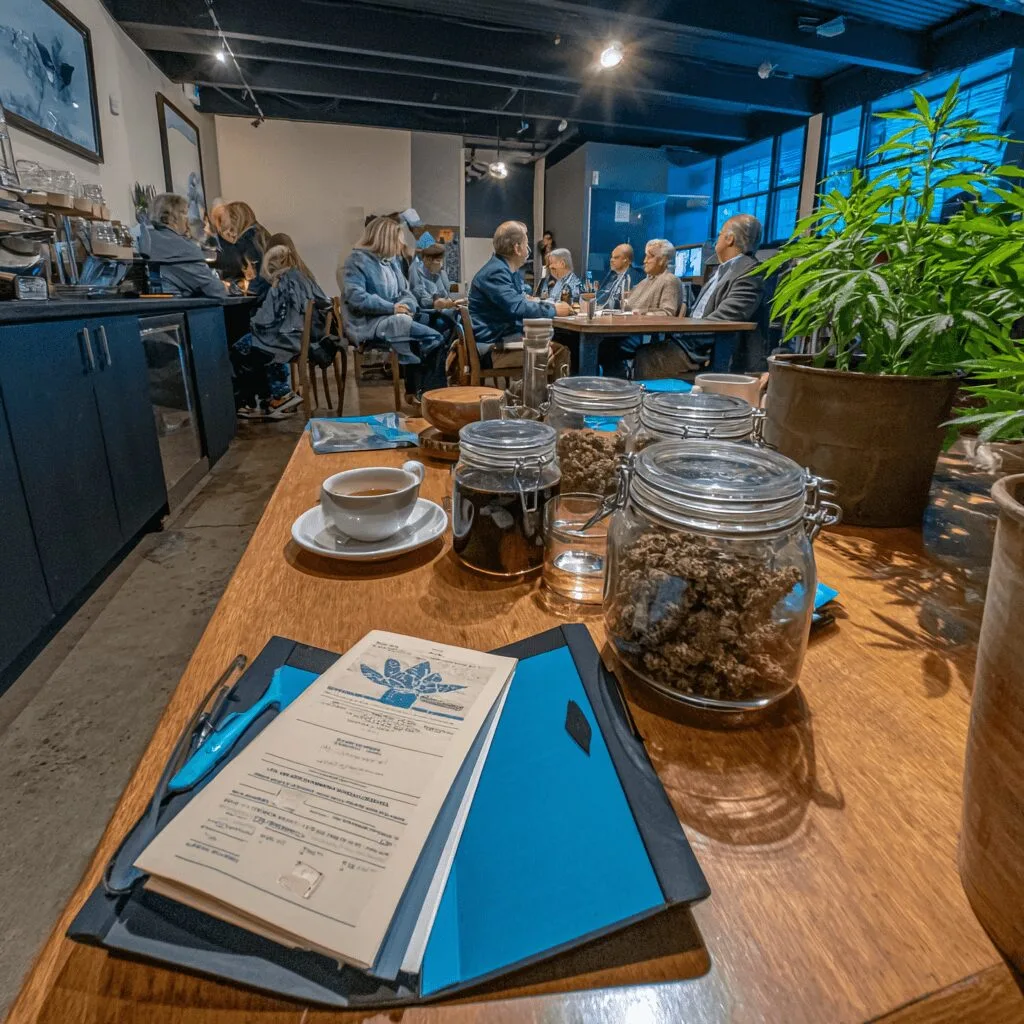
Here’s where things heat up. On June 6th, 2024, Bloomington, Minnesota’s Planning Commission held a public hearing to discuss a cannabis conditional use permit for an established facility aiming to pivot into cannabis manufacturing. According to the City of Bloomington’s official notice, this request was for an existing industrial property tucked into a business corridor, not some newcomer.
The business, whose name wasn’t publicly disclosed per city protocol, submitted detailed plans showing compliance with state cannabis laws, updated security protocols, and environmental review documents. Local officials considered traffic, odor containment, public safety, and proximity to sensitive uses (like schools and playgrounds). These are standard but essential boxes to check when a cannabis conditional use permit is up for debate. Concerns about proximity to sensitive areas such as schools have been a recurring theme in recent cannabis debates, emphasizing the balance between opportunity and public safety.
Most notably, community feedback took center stage. Some residents voiced concerns about neighborhood character changes if the facility gets the green light. Supporters stressed the economic benefits, citing potential for new jobs and increased tax revenue. City planners referenced guidance from the Minnesota Cannabis Association and trends from other cities as decision-making factors.
It’s worth noting this isn’t a one-off event, similar hearings are unfolding nationwide, with cities from Chicago to Portland updating cannabis zoning rules at record pace. Each new cannabis conditional use permit debated in city council sets another precedent for how American towns adapt to legalization.
Expert Analysis: Risk, Progress, and the Path Ahead for Permits
Alright, let’s get blunt. Permitting may sound tedious, but it’s where the fate of cannabis businesses is decided, one application at a time. While on paper, the cannabis conditional use permit is a simple process, in real life, it’s a stress test for local democracy, public safety, and business opportunity rolled into one. A poorly handled CUP process can stall industry growth, but a thoughtful one can deliver serious benefits for everyone, from small business owners to cautious neighbors.
According to Leafly’s industry experts, many cities are still learning the ropes, updating outdated zoning laws or creating new frameworks that avoid discrimination against cannabis operators. The tension remains, residents want safe neighborhoods, but cannabis entrepreneurs want a fair shot, and outdated stigma can unfairly tip the scales. “Fair, transparent processes for cannabis conditional use permits are essential for community trust and long-term business success,” notes Marijuana Moment editor Kyle Jaeger.
When CUP hearings get contentious, regulators must strike a balance. For every NIMBY (Not-In-My-Backyard) concern, there’s a counterpoint about how modern cannabis facilities are often safer, more secure, and more regulated than many non-cannabis businesses. A 2023 Pew Charitable Trusts report highlighted how cities that embrace conditional permits with robust oversight typically see positive outcomes—new revenue, job creation, and even reductions in illegal market activity. As cannabis advocate and attorney Hilary Bricken told Canna Law Blog, “A good CUP process protects the community and sets up cannabis business for success. It’s about finding real solutions, not roadblocks.” Recent reports on emerging cannabis-related challenges also show how the permitting framework must evolve alongside market realities.
Outlook: Green Shoots Ahead for Cannabis Conditional Use Permits
Looking forward, the cannabis conditional use permit is on track to become a standard part of American zoning law — not just a novelty for forward-thinking towns. As more cities learn from each other and tweak permit guidelines, the process will get fairer, faster, and more transparent. Industry leaders expect stronger social acceptance to follow, especially as public education about safe, legal cannabis grows.
The Brookings Institute points out that, as states and localities refine their frameworks, public hearings and CUPs will make the industry safer and more accountable. For cannabis entrepreneurs and advocates, this means staying engaged with city councils, sharing facts, and building bridges with concerned neighbors. After all, the future of legal weed hinges on common sense policymaking — and the CUP is where that future takes shape.
So stay tuned: the next time you see a cannabis conditional use permit up for debate, remember it’s more than paperwork. It’s progress in action, shaping how cannabis culture and industry become part of everyday American life.
Originally reported by: bloomingtonmn.gov