Marijuana Rescheduling Research Opportunities: Big Breakthroughs Await
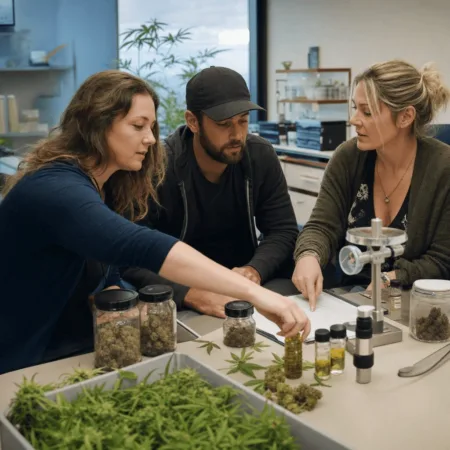
The time for marijuana rescheduling research opportunities is officially now—no more waiting in the wings. This moment is fueled by groundbreaking policy shifts, scientific ambition, and huge market pressure. The big news: rescheduling means researchers can finally dig deep, making it easier to explore the vast therapeutic and economic potential of cannabis. From fresh regulatory pathways to new research funds, the shift excites everyone involved in science, law, and business. This article breaks down what’s changed, why it matters, and what’s coming next in the world of marijuana rescheduling research opportunities. If you care about the future of cannabis, you’ll want to see what’s blossoming.
Understanding the New Landscape: Regulatory & Market Context
Let’s start with why marijuana rescheduling research opportunities are such a big deal. For decades, cannabis sat in Schedule I, right up there with heroin, according to the U.S. Drug Enforcement Administration. That meant nearly impossible research restrictions and no recognized medical value, frustrating both scientists and patients. But with increasing public support, fresh data from clinical studies, and economic pressure from booming legal markets, the policy wall finally began to crumble. Pew Research Center reports a whopping 88% of Americans support legalization in some form. Meanwhile, major states like California and Illinois not only legalized but are pushing research grants and business-friendly tax reforms, a situation reminiscent of the complex landscape seen in Nebraska and other states where medical marijuana dispensaries still face challenges. By reclassifying marijuana to Schedule III, the federal government signaled a sea-change, opening laboratory doors for accredited institutions across the country.
What’s Changed: Key Developments in Marijuana Rescheduling Research Opportunities
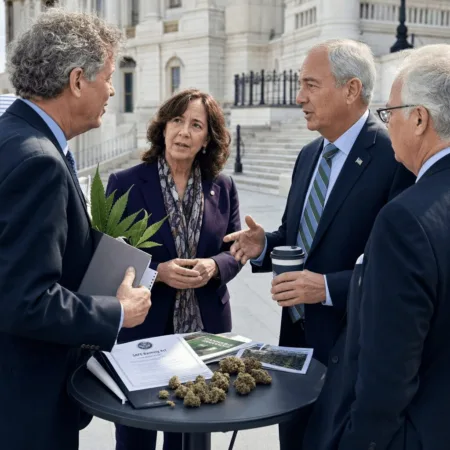
The big shift happened in May 2024, when the U.S. Department of Justice announced the proposed rule to move cannabis from Schedule I to Schedule III. According to official statements from the White House, this addresses calls for research fairness and acknowledges cannabis’ medical use. Companies like Green Thumb Industries and Cresco Labs, both major players documented by Forbes, are already reorganizing their compliance teams to maximize research opportunities. Legal experts report that, with rescheduling, academic researchers can finally sidestep some of the labyrinthine DEA rules. This means increased participation by top universities and biotech firms, think Johns Hopkins and Columbia Medical. Crucially, Schedule III status also allows companies to deduct ordinary business expenses on their federal taxes (something previously denied under IRS Section 280E), freeing up millions for research and infrastructure. According to respected law firm Blank Rome LLP, this could trigger the largest cannabis research boom the U.S. has ever seen. This transformation highlights how DEA policy is influencing justice and social equity matters in the cannabis space, an evolution similar to what some experts describe as a turning point for fairness in marijuana regulation.
Deep Dive: Expert Analysis on the Science and Business of Rescheduling
Why does this policy pivot matter? For one, marijuana rescheduling research opportunities now pull the U.S. closer to global frontrunners like Israel and Canada, where cannabis science is well-funded and fast-moving. This realignment could dramatically expand clinical trials on pain, anxiety, and neurological disorders, areas that have been stunted by legal blockades. “What we’re witnessing is a new era,” says Dr. Ethan Russo, cited in Leafly’s cannabis rescheduling explainer. “Rescheduling removes the handcuffs that have kept U.S. science in limbo for decades. The possibilities are enormous, for patients and entrepreneurs alike.” More universities and startups are now seeking product patents, collaborating with hospitals, and applying for National Institutes of Health funding. Critics worry rescheduling won’t end all obstacles, noting that federal agencies still control the research pipeline. But the overall trend is clear: the U.S. is on the brink of catching up to the international cannabis innovation race, even as cannabis businesses still weather serious compliance and criminal law challenges, like those highlighted in recent larceny charges in the industry.
Where Do We Go From Here? Future Outlook for Cannabis Research and Acceptance
Now that marijuana rescheduling research opportunities are blossoming, optimism fills labs and boardrooms alike. Researchers project a tidal wave of clinical trials, biotech partnerships, and new evidence-based therapies—finally matching the scale of public demand. Cannabis industry growth continues unabated, fueled by shifting social attitudes and ongoing federal policy reform. Industry tracking from ADCANN highlights that market innovation keeps pace with regulation; as new doors open, entrepreneurs rush in. The hope? America will build a transparent, science-driven cannabis sector—one that supports medical discovery, economic growth, and broader social acceptance. The next few years should see more robust data, more fair-minded policy, and a lot more chatter (with a side of good vibes) about what makes this remarkable plant worth studying—and celebrating—for generations to come.
Originally reported by: blankrome.com