





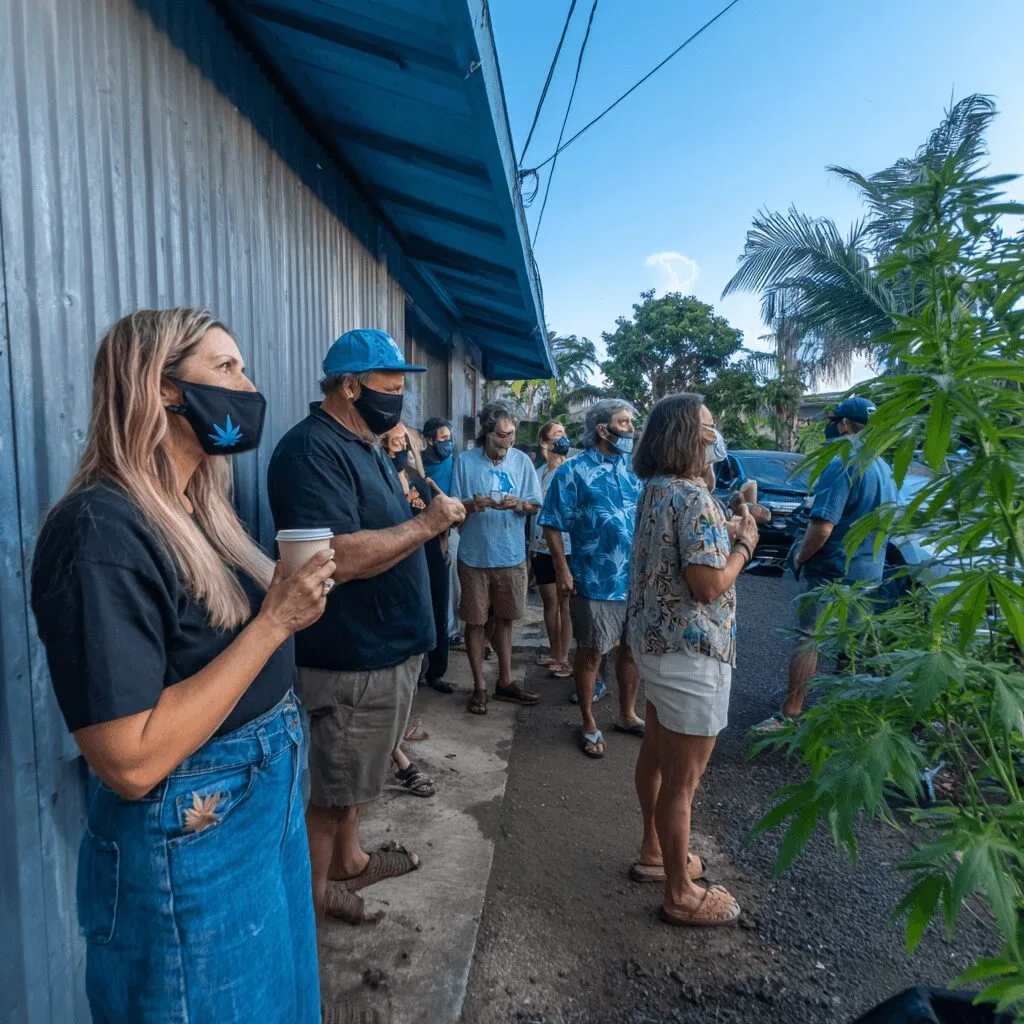
Hawai’i reaction Trump’s marijuana reclassification: What Locals Say
The world of cannabis just got a dramatic shakeup—and folks across the islands are buzzing. The latest moves in marijuana reclassification are making waves nationwide, but it’s the Hawai’i reaction Trump’s marijuana reclassification that’s really lighting up local conversations. With so much chatter on both sides, and passionate responses rolling in from government to grassroots, it’s never been more relevant to explore what’s going down. Let’s break down the key developments, big impacts, and expert insights shaping the future of weed in Hawai’i right now.
Understanding the Landscape: Cannabis Law, Culture, and Stigma in Hawai’i
Hawai’i sits at a unique crossroads of traditional values, progressive spirit, and a long history with the cannabis plant. While medical marijuana has been legal since 2000, recreational use remains a gray area, with legalization efforts regularly facing legislative challenges, according to the Marijuana Policy Project. Public sentiment, however, grows more accepting each year. Locals have vivid memories of Operation Green Harvest back in the 1980s, which cemented an enduring wariness of mainland politics meddling in island cannabis affairs. However, social and political momentum is shifting, as reflected in recent polls cited by Civil Beat showing over 60% of Hawaiians now support some form of legal recreational cannabis. This cultural shift intertwines with booming hemp business, innovation in medicinal cannabis, and a growing awareness of the need for criminal justice reform. National headlines—like the push for legalization in states such as Pennsylvania—add momentum that shapes expectations for justice and economic opportunity across the islands as the Hawai’i reaction Trump’s marijuana reclassification takes center stage.
Key Developments: How Trump’s Reclassification Moves Ripple Through Hawai’i
News broke on December 22, 2025, when former President Donald Trump’s recent marijuana reclassification proposal made headlines across the nation. According to Aloha State Daily, the announcement sent immediate ripples through Hawai’i’s government halls and coffee shops alike. Trump’s policy proposal calls for shifting cannabis from a Schedule I controlled substance to a much less restrictive Schedule III. While this doesn’t fully legalize weed federally, it opens the doors to expanded research, easier banking, and perhaps less red tape for patients and businesses. These developments mirror how shifts in reclassification policy have affected other states, like Maine’s cannabis sector adapting to changing dispensary laws and the resulting opportunities for local economies.
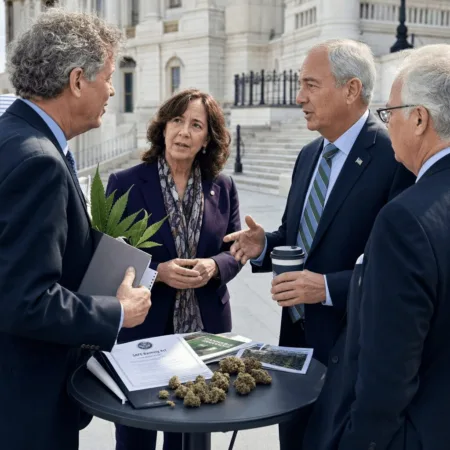
Local leaders like Senator Nanea Kauhane and Representative Makoa Pahia quickly weighed in on the changes. Both expressed cautious optimism but underlined that the nuts and bolts of implementation will depend on collaboration between federal, state, and local authorities. The Department of Health, meanwhile, released a statement reminding residents that this proposal wouldn’t automatically green-light recreational dispensaries or wipe old marijuana convictions off the books in Hawai’i.
Community organizations from Hawaii Cannabis Organization to local patient advocacy groups hailed the move as “a step in the right direction.” However, concerns about equitable access, the legacy of over-policing in Native Hawaiian communities, and impact on the state’s medical program remain at the forefront. County mayors from Honolulu to Hilo joined the call for thoughtful, informed action, not just political theater.
Expert Insights: Opportunity, Challenges, and the Hawai’i Reaction Trump’s Marijuana Reclassification Sparks
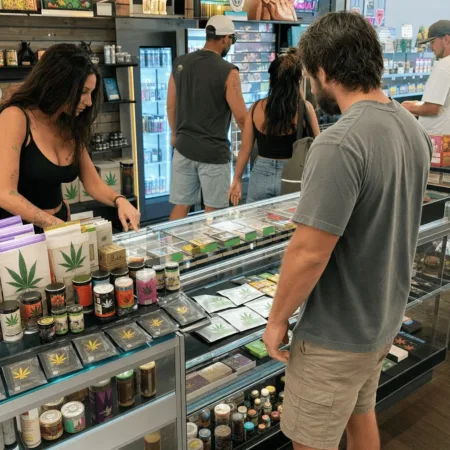
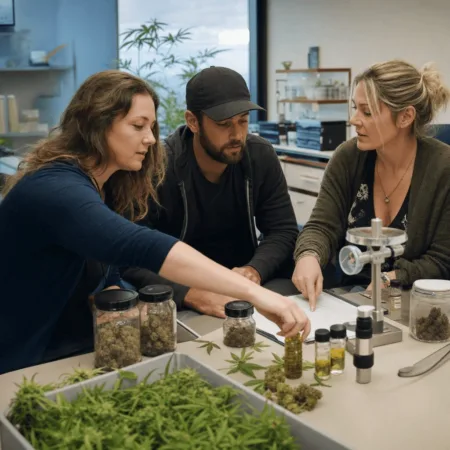
Every time the national cannabis scene shifts, the islands feel the ripple. As Kimo Alana, founder of a leading local dispensary chain, put it: “Reclassification could unlock serious research advances, but it’s only the first puff, not the whole joint.” According to NORML, rescheduling marijuana to Schedule III could provide dispensaries with a more manageable tax structure and pave the way for research partnerships with institutions like the University of Hawai’i. The SAFE Banking Act also gets a boost, potentially making it less risky for local dispensaries to get loans and serve medical patients more flexibly.
However, industry veterans remind us that this is no silver bullet, and such reforms echo calls in other regions—like those advocating for fair medical access and reform in Mississippi’s medical cannabis program. According to a Marijuana Moment analysis, achieving full-scale reform will require more comprehensive measures, from expungement efforts to supporting traditional cultivators who often encounter regulatory barriers. Legal experts at the Drug Policy Alliance emphasize that reclassification alone does little to address the real effects of historic over-criminalization, urging lawmakers to prioritize restorative justice. The clear sentiment in the Hawai’i reaction Trump’s marijuana reclassification debate: this is just one step, and meaningful progress depends on tackling deeper issues ahead.
Looking Ahead: Hawai’i’s Cannabis Future After Trump’s Rescheduling
The islands are ready for a new chapter. The Hawai’i reaction Trump’s marijuana reclassification reflects a maturing market, growing community acceptance, and a vibe that’s all about hope. Local policy is poised for innovation, as more leaders push for equitable laws and smarter business strategies. Leading industry research from New Frontier Data shows that legal reforms tend to boost local economies and promote public safety when done right. With thoughtful, community-driven legislation, plus the passionate energy of local advocates, Hawai’i stands at the crossroads of progress and tradition. The future is looking bright—the only question is how quickly the islands can transform opportunity into reality. Mahalo for joining the conversation!
Originally reported by: alohastatedaily.com
1 Comment
Pingback: Kentucky medical marijuana dispensary news: What’s next?