


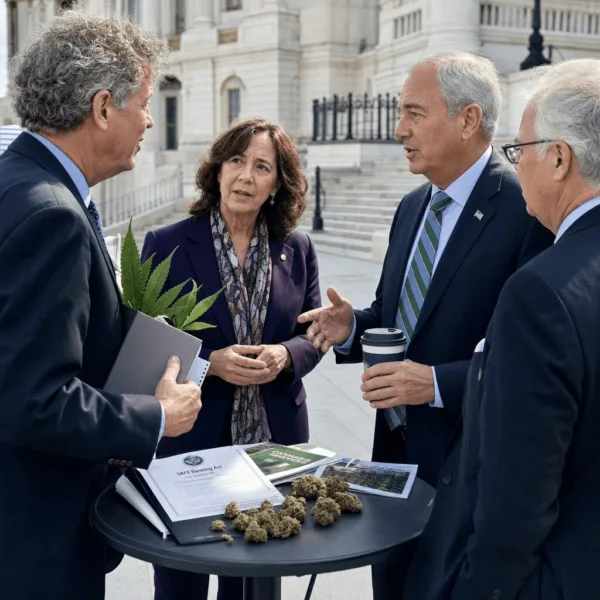



Maine marijuana dispensary reclassification: What it means now
The Maine marijuana dispensary reclassification is making waves across the state’s cannabis scene. Dispensary owners, industry insiders, and everyday Mainers are buzzing about new regulations that could shake up how cannabis is sold, taxed, and viewed by the public. With the federal government eyeing changes too, now is the perfect time to break down what this reclassification really means for anyone passionate about the future of Maine’s cannabis community.
Maine Marijuana Dispensary Reclassification: Background & Regulatory Context
The Maine marijuana dispensary reclassification didn’t happen in a vacuum. After years of industry growth and legal back-and-forth, Maine’s cannabis market is under real scrutiny. Since legalizing adult-use marijuana in 2016, Maine has faced ongoing challenges aligning state and federal rules. Recent moves at the national level, like the Biden administration’s push to potentially reschedule cannabis as a less controlled substance, set the stage for local changes (Marijuana Moment). Dispensaries have navigated hurdles around banking, public perception, and municipal licensing. As states like Pennsylvania are exploring their own cannabis reforms, the debate’s impact can be seen nationwide as similar legalization efforts are moving forward. According to the Office of Cannabis Policy, shifting consumer demand and pressure from small business owners are driving the push for reclassification. The goal is to bring sanity and consistency to a market that’s been, well, a bit hazy. Socially, stigma is softening, especially as more Mainers witness the financial impact of cannabis taxes on local communities. But regulatory uncertainty creates anxiety for entrepreneurs and patients, making the Maine marijuana dispensary reclassification a defining chapter for the Pine Tree State’s cannabis journey.
Key Developments & Major Issues Shaping the Scene
The big headline: Maine has moved to reclassify dispensaries, treating them more like traditional retailers than quasi-medical facilities. This comes as the federal government proposes shifting cannabis to Schedule III, reducing harsh penalties and signal-boosting the legitimacy of the industry (The New York Times). According to News Center Maine, cannabis shop owners like Samantha Baran, who operates East Coast Cannabis, are celebrating the win. In her words, reclassification “levels the playing field for small businesses.” These changes are in line with how other places are rethinking oversight, and it’s worth noting how policy clashes are impacting professionals in related sectors too. Starting May 2024, licensed dispensaries in Maine are now required to follow revised state guidelines easing restrictions on product variety, retail display, and consumer education. This is a sharp pivot from rules that used to lump dispensaries with high-security, strictly medical zones under the old law. The changes also streamline compliance paperwork and reduce insurance costs. Critics worry about product safety and oversight gaps, but most local business owners argue the state’s robust track-and-trace system is already up to the task (Maine Office of Cannabis Policy: Medical Use). As the federal government’s stance softens, Maine’s new approach could be a model for other states, much as other jurisdictions are reconsidering regulations to meet local needs with industry reactions guiding the way.
Expert Analysis, Cannabis Culture, and Industry Insights
If you ask anyone living and breathing cannabis in Maine, the reclassification feels overdue. Many experts believe the Maine marijuana dispensary reclassification is more than a bureaucratic tweak, it’s the next step in ending prohibition’s legacy. As longtime cannabis advocate and journalist Tom Angell notes, “Every change in how we classify cannabis is a crack in the wall of outdated prohibition” (Tom Angell, Marijuana Moment). By reducing red tape, Maine’s dispensary owners can invest in quality products, improve customer service, and focus on community building. There is a parallel in how other states are grappling with regulatory evolution, such as Tennessee’s political debate around marijuana rescheduling. The move also brings hope to patients, veteran consumers, and newcomers alike, who can now enjoy improved transparency and safer access. For the cannabis-curious, it’s a sign that lawmakers are finally catching up to the science and social reality. The industry’s been asking for this kind of common-sense regulation for years. By aligning with federal momentum, Maine is betting big on normalization, economic growth, and, maybe most importantly, respect for its robust cannabis heritage.
Looking Forward: Maine Marijuana Dispensary Reclassification’s Optimistic Future
Here’s the bottom line: Maine marijuana dispensary reclassification is good news for business, customers, and cannabis culture. With more logical rules, Mainers can expect innovation, safer products, and greater acceptance in their neighborhoods. Industry analysts at Forbes predict that better regulations will draw additional investment and help small operators thrive. Sure, there are challenges ahead—no one’s lighting up a victory joint just yet. But with Maine leading the charge, the national conversation around cannabis is only growing more positive. For dispensary owners, advocates, and every canna-friendly Mainer, the winds of change are blowing (and it smells like Pine OG). Stay tuned—it’s just the beginning of a more open, fair, and vibrant cannabis economy in the Pine Tree State.
Originally reported by: newscentermaine.com


1 Comment
Pingback: Curaleaf Virginia expansion: Unraveling Amid New Lucrative Offer