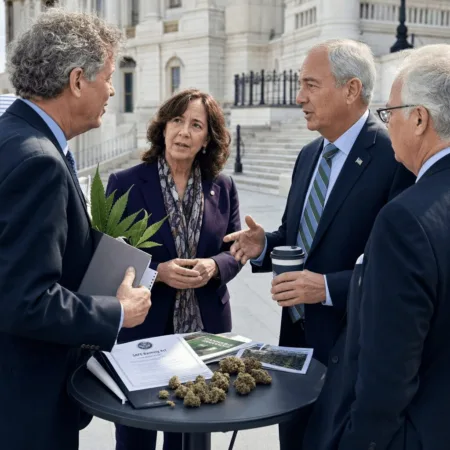
The whole country is buzzing over federal marijuana rescheduling, but the stance taken by Tennessee Republicans has added a bold twist to the conversation. As the debate over cannabis moves from the fringe to the mainstream, the reaction of lawmakers in Tennessee really matters. The current stance on Tennessee Republicans marijuana rescheduling sends shockwaves through the cannabis industry, especially with political loyalties and election season in play. Let’s break down what’s fueling this resistance, what it means for reform, and why Tennesseans are watching every move.
Understanding the Landscape: The Forces Shaping Tennessee Republicans Marijuana Rescheduling
Tennessee stands in a unique spot on the American cannabis map, still clinging to strict legal prohibitions while the federal tide is shifting toward reform. This resistance didn’t pop up overnight. Tennessee’s longstanding conservative values and law-and-order legacy drive skepticism toward loosening marijuana policy, as The Tennessean has tracked over the years. State legislators often cite concerns about public safety, youth access, and the message rescheduling could send to communities. Meanwhile, pressure intensifies as other states, including nearby Virginia, adopt more progressive cannabis laws. Looking at broader trends, states like Wisconsin have their own ongoing reforms and debates, as seen in the latest efforts toward legalization there. Federal momentum, pushed further by the Biden Administration’s move for DEA marijuana rescheduling, puts Tennessee’s regulatory culture at a crossroads. Tennessee Republicans marijuana rescheduling is not just about pot, it’s about tradition, health, and political calculation all colliding in one smoky room.
Key Developments: Facts, Flashpoints, and Fallout in the Tennessee Republicans Marijuana Rescheduling Saga
The latest spark? Despite national headlines and even former President Trump going soft(er) on cannabis, Tennessee’s leading Republicans have publicly signaled stiff opposition to the rescheduling move, according to State Affairs. On record, House Speaker Cameron Sexton and Lieutenant Governor Randy McNally both rejected federal suggestions to treat cannabis as anything less than illegal. The May 2024 DEA proposal to move marijuana from Schedule I to Schedule III, which mirrors similar reclassification efforts seen after President Trump’s recent actions in other states, might as well be a nonstarter in the eyes of many Tennessee Republican leaders as shown in Nevada’s evolving cannabis landscape. The state’s official stance ties back to fears about increased crime rates and substance abuse, according to statements quoted by Chattanooga Times Free Press. This all comes as advocacy groups like Tennessee NORML and the local chapter of the Drug Policy Alliance ramp up lobbying campaigns demanding a shift. Meanwhile, medical cannabis entrepreneurs and patients, who have been waiting on official word, remain stuck in legislative limbo as lawmakers double down on prohibitionist talking points. Tennessee Republicans marijuana rescheduling debates have become a defining feature of the 2024 election cycle in the statehouse and beyond.
Expert Analysis: Tennessee’s Move in the Big Picture and the Cannabis Industry’s Playbook
Here’s the real deal, straight from a cannabis insider’s vantage: Tennessee’s posture is more than a quirky local spat, it’s a stress test for how fast the national wave of reform will crash through the South. Even as states from New York to New Mexico race ahead with dispensaries and tax revenue, the Volunteer State’s resistance highlights the persistent roots of prohibition. National cannabis analyst Amanda Reiman, Ph.D., explained in a Marijuana Moment feature, “Rescheduling is a promising start, but federal action means little if states withhold progress on the ground.” Many industry experts suggest that, even with vocal opposition, market pressure and voter sentiment could eventually tip the scales in Tennessee. Lessons from other regions about shifting regulation and its effects on products, such as in Colorado’s evolving edible rules, further demonstrate how one state’s resistance can shape industry strategies nationwide. Local advocates echo this, noting how economic benefits and fairer criminal justice outcomes increasingly sway public opinion. In short, the Tennessee Republicans marijuana rescheduling debate is an inflection point not just for Tennessee, but for the Southeastern United States as a whole.
Where Do We Go from Here? Hopes, Challenges, and Optimism for Tennessee Republicans Marijuana Rescheduling
While entrenched opposition remains, there’s real momentum for change both nationally and at home. Every year, more Tennesseans speak up for medical access and reasonable regulation—outpacing even the cautious steps of their elected officials. A recent Pew Research poll found broad national support for marijuana legalization, reflecting a seismic cultural shift that no Southern state is immune to forever. Industry professionals see Tennessee Republicans marijuana rescheduling as a chapter—not the last word—in the state’s evolving cannabis policy. Stay tuned, because if there’s one thing the cannabis community knows, it’s how to roll with resistance and light the way forward.
Originally reported by: pro.stateaffairs.com