

Trump marijuana rescheduling: What’s Changing & Why It Matters
Everyone’s buzzing––and not just from edibles. The conversation around Trump marijuana rescheduling is suddenly everywhere, driven by breaking developments and a changing political climate. With cannabis policy once again in the national spotlight, this moment could shake up everything from industry profits to criminal justice reform. Stick with me as we break down what’s changing, why it matters, and what serious cannabis advocates need to know right now.
Background & Context: Understanding Trump Marijuana Rescheduling Moves
Let’s get real, U.S. marijuana law has always been a bit backward. For decades, cannabis has been pegged as a Schedule I substance, right alongside heroin. That means federal law has called weed both dangerous and without any medical value. Seriously? Meanwhile, states have been legalizing for medical and adult use faster than you can roll a joint. According to the Pew Research Center, about 88% of Americans support some form of legal weed, which is a major vibe shift. Legal cannabis sales soared past $26 billion in 2022, as reported by MJBizDaily. And major states are feeling the ripple effects of federal shifts—for instance, recent federal marijuana law developments in Nebraska are already changing the local conversation. But the feds have stalled, until now. With Trump floating marijuana rescheduling, the legal walls built four decades ago might be about to crumble, which is why the stakes and press coverage are higher than ever.
Key Developments & Issues: What’s Happening on the Ground?
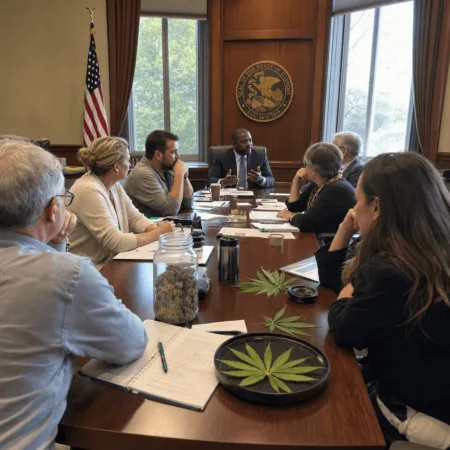
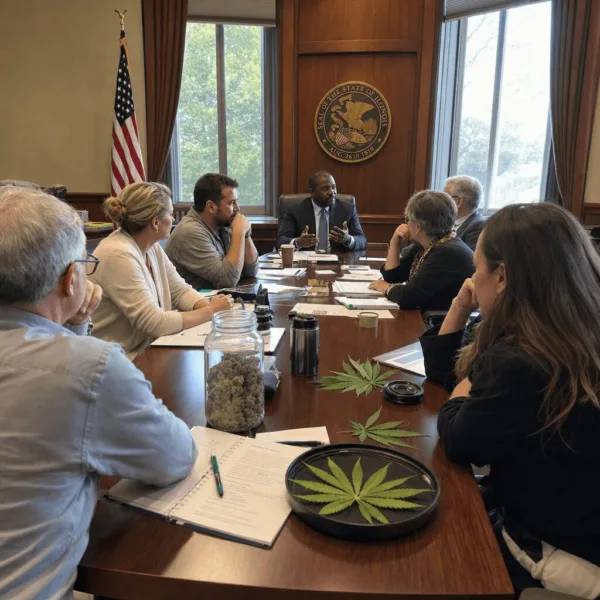
The heart of the news: former President Donald Trump has signaled support for rescheduling marijuana at the federal level. According to Rolling Stone, there are discussions among Trump’s circle about issuing an executive order or supporting Congressional action to move cannabis off its restrictive perch on the Controlled Substances Act (CSA). Specifically, Trump marijuana rescheduling could move cannabis from Schedule I to Schedule III, which would both acknowledge its medical potential and admit, kinda sheepishly, that weed isn’t as heavy-duty as heroin or LSD. While no official executive order has landed yet, conversations with policy advisors and campaign insiders are heating up, and industry leaders are taking notice. For instance, these ongoing federal discussions could influence the push for marijuana legalization in battleground states like Pennsylvania. This activity follows mounting federal and state pressure since 38 states now have legal medical marijuana programs and 24 have gone fully adult-use legal (per NORML). Add to that, the current administration’s moves to explore rescheduling and some high-profile pardons for minor possession offenders, and you can see why this topic’s got the industry buzzing. If enacted, this shift would trigger immediate changes to banking, research, criminal justice, and industry taxation, making it a very big deal.
Expert Analysis & Insights: Why Trump Marijuana Rescheduling Matters for the Cannabis World
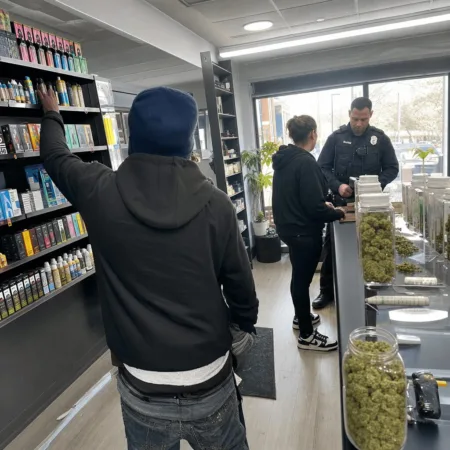
So, what’s the real impact? First off, Trump marijuana rescheduling would represent the first substantial shift in federal cannabis policy since the ’70s. That isn’t just political theater—rescheduling could reshape everything from business tax rates to who gets locked up for simple possession. For example, in states like Texas, local leaders and advocates are actively shaping the conversation around marijuana reclassification. Take taxes: under current U.S. tax code Section 280E, cannabis companies can’t claim standard business deductions. If we hopscotch weed down to Schedule III, that obstacle goes up in smoke, letting businesses finally operate on a level playing field. Plus, having federal recognition of medical value is more than symbolic. It opens legitimate research doors, allows for easier interstate commerce over time, and might just help erase lingering stigma faster. According to MJBizDaily, “The industry is ready for a seismic regulatory change, this is the closest we’ve come to real federal progress in decades.” That’s not just talk. Industry leaders like Steve Hawkins of the U.S. Cannabis Council have told Marijuana Moment, “Every inch toward federal recognition brings new jobs, safer markets, and opportunities for communities impacted by past prohibition.” This isn’t a magic-wand solution—rescheduling won’t legalize overnight or solve every business headache. But it’s a historic first step toward normalization, legit research, and ending criminalization for millions.
Future Outlook & Conclusion: The Road Ahead for Cannabis and America
Here’s the takeaway: if the Trump marijuana rescheduling discussion gains steam, it signals a massive, positive shift—regardless of your politics. Mainstream acceptance is at an all-time high, and the potential policy change could supercharge legal reform nationwide.
Expect cannabis commerce, research, and criminal justice reform to trend upward—especially as more Americans support legalization and the money keeps rolling in. As Pew Research reports, cultural tides have shifted for good.
Bottom line? Regardless of which administration flips the switch, Trump marijuana rescheduling could open doors for economic opportunity and justice reform, all while making cannabis a familiar part of American life. The green wave isn’t just coming—it’s already here. Let’s keep pushing for smarter, fairer, and higher standards in cannabis policy.
Originally reported by: rollingstone.com