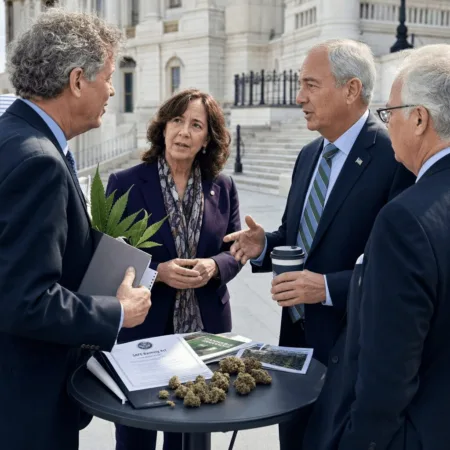
Cannabis Rescheduling Explained: What You Need to Know
Unless you’ve been living under a literal pile of rolling papers, you know the cannabis world is buzzing. Top news outlets and official statements have made it clear: cannabis rescheduling explained is trending, with big moves at the federal level. For advocacy groups, patients, and industry players, these changes mean more than just better vibes—they signal a new era.
This article breaks down exactly what’s going on, why federal rescheduling matters, and how it could impact everything from business regulations to social attitudes. Let’s roll through the essentials together.
Understanding Federal Cannabis Law: How Did We Get Here?
To understand why cannabis rescheduling explained is such a hot topic right now, you need to consider the winding legal journey cannabis has taken in the U.S. Since the 1970s, federal law has categorized cannabis alongside Schedule I drugs like heroin, indicating ‘no accepted medical use and high potential for abuse,’ despite decades of medical research and growing demand.
The states moved in a different direction. As NORML reports, more than 40 states have now legalized medical or adult-use cannabis, resulting in a patchwork of regulations that directly contradict federal guidance. Even as the legal and business environments navigate this conflict, cultural shifts and political momentum have accelerated acceptance of cannabis, inspired by advocacy, ongoing research, and economic growth. This push and pull between state progress and federal status quo makes cannabis rescheduling explained more significant than ever.
The Big Shift: Key Events & Developments in Cannabis Rescheduling
So what’s igniting the current industry buzz? In 2024, the U.S. Department of Justice took formal action to shift cannabis from Schedule I to Schedule III. According to Leafly’s comprehensive report, this change recognizes medical validity and reduces criminal penalties for possession. This proposal is the outcome of a thorough review initiated by President Biden in 2022, asking federal agencies to re-examine cannabis scheduling.
The DEA, working with the Department of Health and Human Services, provided scientific data that backs this adjustment. Regulatory documents confirm that the plan is under public comment, which is a necessary phase before new laws take effect. While groups like the National Cannabis Industry Association applaud these steps, others caution against reading it as nationwide legalization.
Meanwhile, companies such as Curaleaf and Green Thumb Industries have seen their stocks rise as investors anticipate upcoming tax changes and fewer legal risks for the industry. On the state level, regulatory leaders in Illinois have publicly clarified that their own rules regarding sales and possession are holding steady right now, even as federal developments unfold. The likelihood of more accessible banking and relief from Section 280E is drawing interest from industry insiders. For a deeper perspective into how business and cultural landscapes are being reshaped by these moves, take a look at this analysis on how cannabis rescheduling impact will redefine American business and culture.
Expert Insights: Why Cannabis Rescheduling Explained Is a Game-Changer
For those working in the cannabis sector, understanding cannabis rescheduling explained means more than keeping up with the news. Moving to Schedule III has the potential to boost research, ease IRS limitations, and open doors at banks for compliant operators. Most critically, this move fundamentally shifts government attitudes toward people who use cannabis.
As cited by Marijuana Moment, experts predict that even if prohibition holds at the federal level, this change will allow researchers to directly study products available in the real world, bypassing previous legal obstacles. One policy advocate summed it up to The New York Times: “Federal rescheduling is a vital step toward ending decades of stigma and misinformation.”
While some say this doesn’t address record expungement or complete equity for communities historically impacted by prohibition, nearly everyone agrees: these are massive changes with ripple effects for years to come. For an example of state-level change, read about recent updates in Delaware’s cannabis rescheduling and how they may set new precedents.
What’s Next? Moving Forward with Cannabis Rescheduling Explained
The future’s never been brighter—or greener—for cannabis. Industry growth, rising investor interest, and federal rescheduling all point to more legitimacy, safer products, and economic opportunity. According to MJBizDaily, the U.S. cannabis market is projected to hit $40 billion by 2025, driven in part by regulatory reforms like these.
As federal officials continue reviewing public feedback and lawmakers debate next steps, one thing’s clear: cannabis rescheduling explained is reshaping the conversation. From the living room table to the halls of Congress, the push for legal recognition is gaining traction, and the days of cannabis being unjustly criminalized are fading fast.
Whether you’re an advocate, a business owner, or just a curious observer, staying informed and engaged is the best way to help the cannabis movement keep evolving—in all the right ways. Stay tuned, stay chill, and watch this space as cannabis steps further into the mainstream.
Originally reported by: vicentellp.com