


Cannabis Self-Medication Psychology: Uncover the Real Reasons
There’s never been a hotter time to talk about cannabis self-medication psychology. With more young adults reaching for cannabis to ease daily struggles, questions about the underlying psychology, real benefits, and societal shifts matter more than ever. As regulations evolve and acceptance grows, understanding why people self-medicate with cannabis—and what it means for public health, policy, and well-being—has become a major focus. Stick around as we dive deep into recent research, expert insights, and the larger cultural shake-up happening around this issue.
The Surge of Cannabis Self-Medication: Societal Context & Legal Landscape
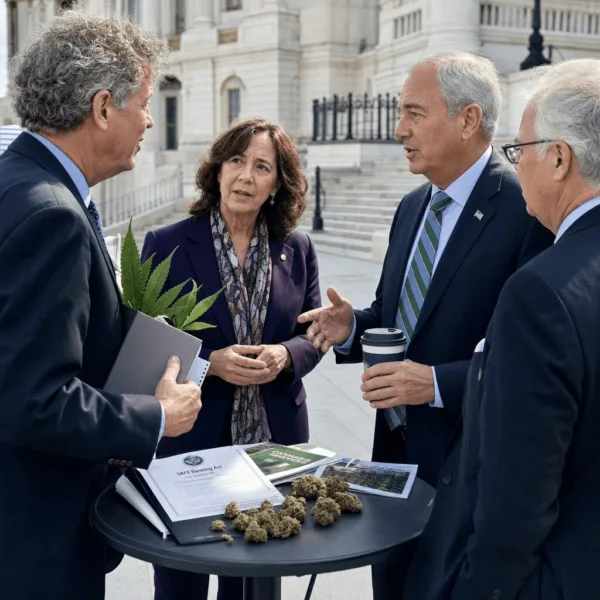
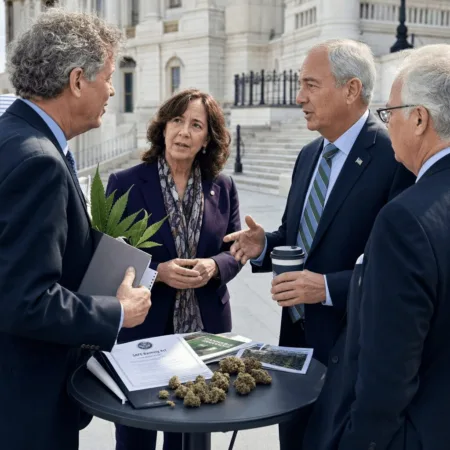
Over the past decade, cannabis self-medication psychology has moved into public view. Since the first waves of medical legalization in places like California, followed by full adult-use legalization in Colorado and Washington, people have grown more candid about why they use cannabis. According to the National Organization for the Reform of Marijuana Laws (NORML), over 20 states now allow recreational cannabis, and more have robust medical programs. This regulatory shift is echoed by rising consumption rates, especially for anxiety, pain, and sleep issues. Adults today increasingly view cannabis as a legitimate wellness tool, not just a recreational escape. Recent changes regarding cannabis rescheduling have further shaped the conversation around legality and access. Social stigma still lingers, but the normalization of open dialogue, and the surge in market interest reflected in billions in annual sales reported by Statista, have helped shine a spotlight on the motivations and psychological factors at play. Key research led by institutions like the National Institutes of Health continues to inform the ever-evolving mix of science, policy, and social attitudes.
Key Findings: What Drives Cannabis Self-Medication Psychology?
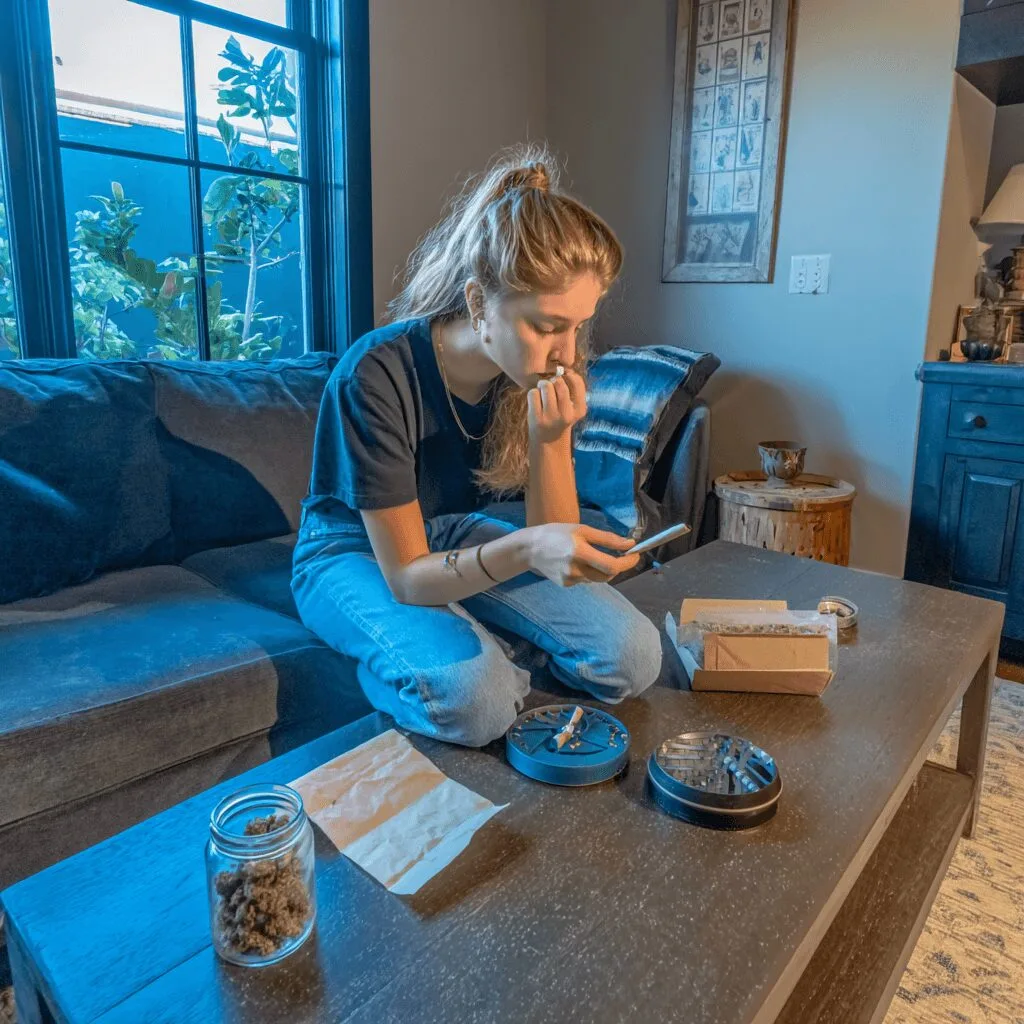
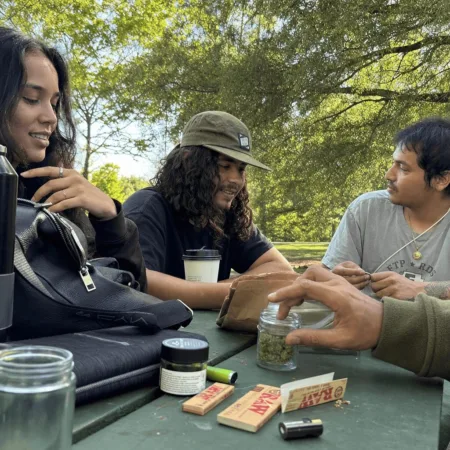
Diving deep into recent research—including the influential Psychology Today investigation—we see clear trends. Most users aren’t chasing highs, they’re seeking relief, balance, and focus. Surveys show that anxiety, chronic pain, depression, and sleep issues top the list of reasons for self-medication. In 2023, University of Michigan’s Monitoring the Future study found a surge in cannabis use among 19-to-30-year-olds, tied directly to psychological distress. The impact of evolving state regulations such as new Tennessee cannabis laws for 2026 highlights how regional policies continue to affect who can access legal relief. Additionally, experts highlight the nuanced difference between medical and ‘self-care’ usage, with many people opting for cannabis after negative experiences with pharmaceuticals or therapy-resistant conditions. Legal developments matter—for example, California’s Senate Bill 34 (2019) enabled medical providers to donate cannabis to needy patients, supporting self-medication efforts. Yet, regulatory inconsistencies, such as differing qualifying conditions for medical cards, continue to shape access, as noted by Leafly’s regulatory analysis. All this reinforces a central fact: the psychology of self-medication with cannabis is less about rebellion, more about coping with real human challenges.
Expert Perspectives & Real-World Impact
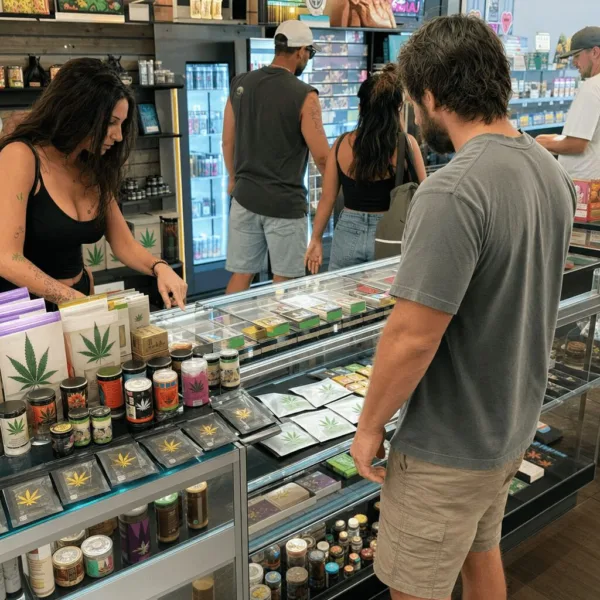
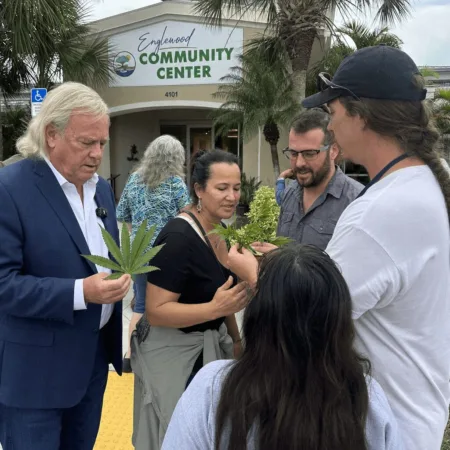
Experts agree, cannabis self-medication psychology is about more than just personal choice. Dr. Ethan Russo, a renowned neurologist and cannabis researcher, explains, “Cannabis offers a spectrum of relief possibilities, especially when standard treatments fall short.” (source). Industry reports repeatedly note how many users report improved mood, decreased anxiety, and more consistent sleep, even when facing persistent stressors. With the evolution of consumer preferences, there is also a rising trend in alternative cannabis products, such as THC beverages redefining the social experience at happy hour. Still, professionals stress the importance of mindful consumption and honest self-assessment. A CDC review urges users to recognize potential downsides like dependency or masking deeper mental health issues, but also acknowledges the plant’s harm-reduction potential compared to more dangerous substances. According to MJBizDaily, dispensary operators now offer in-depth consultations, aiming to support self-medicating clients in making informed, responsible choices. This trend marks cannabis as not just a product, but a wellness partner for millions navigating modern pressures.
Outlook: Cannabis, Psychology, and the Future of Self-Care
The conversation around cannabis self-medication psychology keeps gaining ground. Regulatory progress continues, with states like Minnesota and New York recently expanding access to both medical and recreational markets. Social acceptance is growing, fueled by honest stories, better science, and persistent advocacy. As Forbes reports, the cannabis sector is now a multi-billion-dollar engine for health and local economies alike. The push for better education, smarter dosing, and more transparent research is setting the stage for a more informed, empowered generation of users. As stigma fades, expect a more nuanced view of cannabis’s place in daily well-being—and a stronger voice for those navigating life’s pressures with intention, humor, and hope.
Originally reported by: psychologytoday.com
1 Comment
Pingback: Texas medical marijuana industry: Surging Demand Sparks Evolution