

THC product seizure South Carolina: Major Arrests & Ton Seized
It’s 2024 and the American cannabis debate is hotter than ever. In the thick of evolving laws and exploding markets, big headlines just hit: a massive THC product seizure South Carolina rocked the industry and consumers alike. With major arrests and over a ton of THC products scooped up by authorities, the news spotlights South Carolina’s shifting legal landscape—and the daily realities faced by the cannabis community. We’ll break down why this matters, what happened, and what it means if you’re passionate about cannabis law, advocacy, or business.
South Carolina’s Hemp & THC Law: Inside the Legal Maze
Legal cannabis is a patchwork in the U.S., and South Carolina sits firmly in the “tight control” camp. According to the National Conference of State Legislatures, the state permits hemp cultivation under federal guidelines, but bans recreational cannabis and limits even medical use. Hemp-derived products containing Delta-8 or Delta-9 THC exist in a gray area, often fueling confusion for consumers and businesses. Recent market studies by Leafly News reveal a growing consumer demand despite prohibitive policies, which has begun to mirror debates happening elsewhere across the country about changing marijuana purchase and possession limits, such as why changing cannabis purchase limits affects consumers. As a result, black-market activity is on the rise and law enforcement is increasingly strained. Meanwhile, surrounding states like Virginia and Georgia wrestle with their own reforms, making South Carolina’s laws even more complex for travelers and entrepreneurs. Social attitudes are softening, but regulation and enforcement are harsh, reminding us the space between the law and the street is wider than ever in the Palmetto State.
A Closer Look: What Happened in the South Carolina THC Product Seizure?
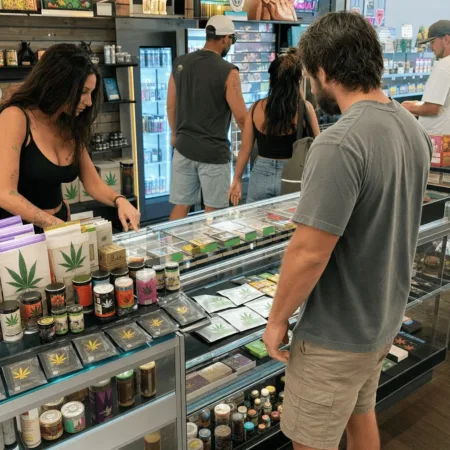
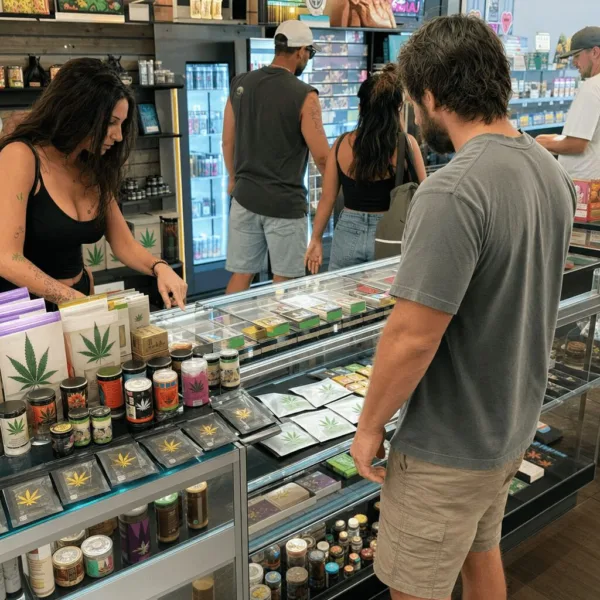
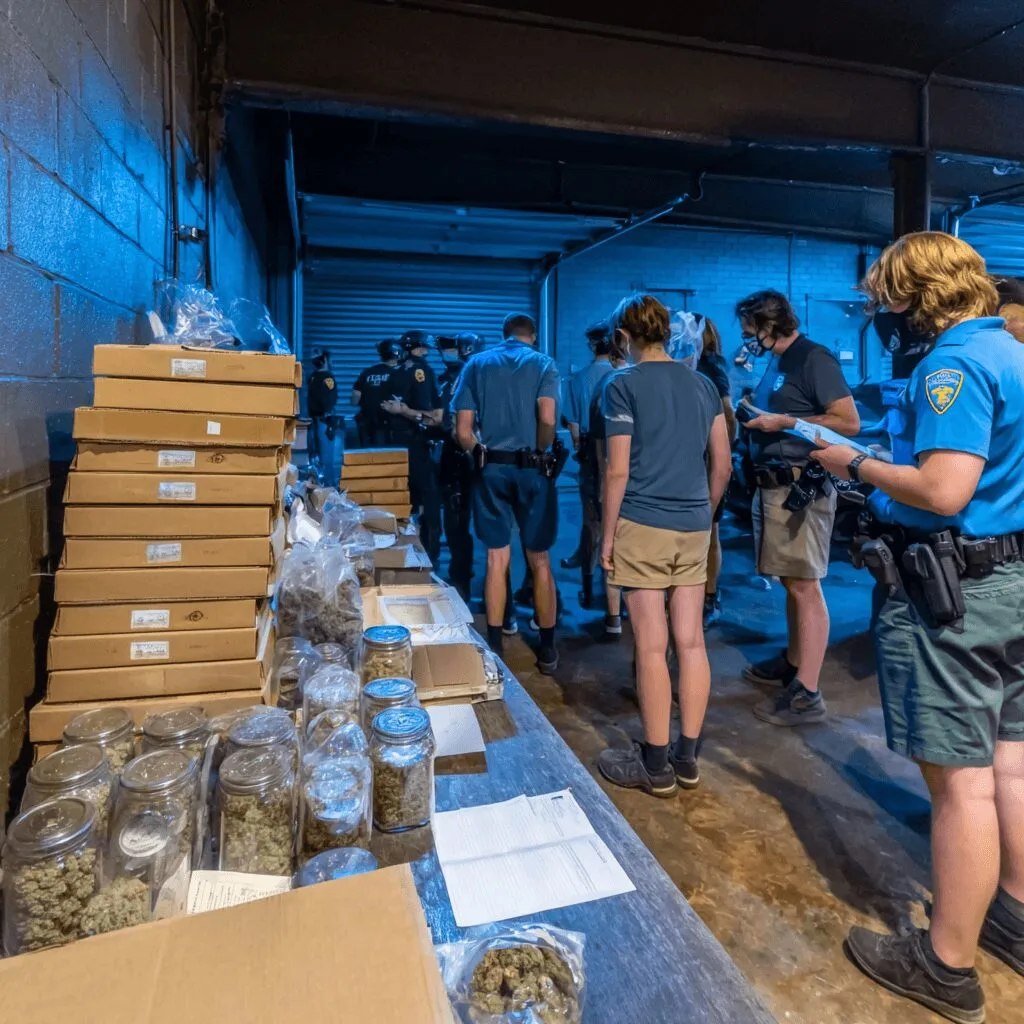
On June 10, 2024, multiple law enforcement agencies, led by the South Carolina Law Enforcement Division (SLED), executed a large-scale raid targeting suspected illegal THC distributors. According to WYFF4 News, officers stormed several warehouses across Greenville and neighboring areas. The sweep resulted in the arrest of at least twelve people, all allegedly involved in trafficking or distributing prohibited THC products, which were far above the state limit for legal possession—a situation reminiscent of recent enforcement stories like security incidents at dispensaries in other states that have highlighted growing pains in cannabis regulation. Authorities reported they confiscated over 2,000 pounds worth of THC products. Items seized included everything from dried cannabis flower to potent concentrates, candies, and vape cartridges. Clear plastic bags, glass jars, and branded packaging highlighted the extent of South Carolina’s growing gray market. SLED’s official press release emphasized that these products, often marketed as “hemp” or “legal weed,” actually exceeded state-imposed Delta-9 THC limits, making them subject to felony prosecution under South Carolina Controlled Substances Laws.
Notably, authorities said some confiscated items were disguised as CBD wellness products, a popular workaround in states with restrictive laws. The investigation, which involved undercover buys and digital surveillance, is ongoing. Major defendants face charges that could bring over a decade in prison for trafficking Schedule I controlled substances, as outlined in federal legal standards. For further context on the federal perspective, see how broader cannabis scheduling reforms could influence future law enforcement actions, similar to the debates about Schedule III cannabis reform and what comes next.
Expert Analysis: What Does This Mean for Cannabis in South Carolina?
This THC product seizure South Carolina has ripple effects well beyond courthouse walls. For one, it spotlights inconsistencies in hemp versus marijuana law. What’s legal in North Carolina or online might get you jail time in Greenville, an ongoing issue as cannabis commerce goes digital, and one explored in similar legal environments such as when legislatures debate marijuana amendments across the country. Several cannabis attorneys, such as those cited in Marijuana Moment, warn that ambiguity can turn ordinary business owners into criminal defendants overnight.
Industry numbers tell the story: according to the Marijuana Policy Project, demand for legal and semi-legal THC products is skyrocketing in conservative states. Supply rarely keeps up, so consumers seek alternatives, sometimes from less-than-legal channels. “Until South Carolina modernizes its laws, these types of headlines will keep popping up,” says Dr. Amanda Smith, a senior analyst with Leafly Business Intelligence. “Consumers want safe access, and business owners deserve clarity.” For an exploration into the health debate, see recent insights on what science and society reveal about medical cannabis benefits and risks. The downside? Risks for everyone, including patients relying on THC for medical relief, while local law enforcement faces mounting pressure to crack down, tying up resources that could serve higher priorities.
Looking Forward: Hope, Reform & the Cannabis Conversation
The THC product seizure South Carolina story is no isolated incident. It signals a tipping point in public debate and market transformation. Advocates and industry groups are rallying for clearer, fairer rules. Given recent polling by NORML and booming tax revenue in neighboring states, change feels inevitable. Lawmakers in Columbia are fielding mounting calls for reform—not just from lobbyists, but doctors, patients, and everyday business owners hoping to escape the legal limbo. South Carolina is poised for a pivotal shift, even as old-school policies hold on. Whether you’re an entrepreneur eager for growth or simply want safe, legal choices, watch this space: the next chapter for cannabis in the Palmetto State will be written by those who keep pushing for progress—one headline, one vote, one conversation at a time.
Originally reported by: wyff4.com