






Massachusetts marijuana repeal: The movement shaking legalization
The Massachusetts marijuana repeal debate is heating up like never before. While most states are racing towards broader legalization, Massachusetts now faces a strong wave of public pushback. What does this mean for the future of cannabis in the Commonwealth? From passionate citizen demonstrations outside state buildings to tense debates inside, the Massachusetts marijuana repeal topic is sparking deep conversations about policy, personal freedom, and social equity. In this article, get the inside scoop on what’s driving this unexpected movement, who’s involved, and how it could impact cannabis law nationwide.
The Regulatory Backdrop: Why Massachusetts Marijuana Repeal Is Suddenly Everywhere
Massachusetts has been viewed as a bellwether for cannabis reform since voters passed legalization in 2016. The state quickly built a multi-billion-dollar market, drawing national attention for its progressive stance and well-structured Cannabis Control Commission regulations. However, the Massachusetts marijuana repeal discussion is gaining momentum due to mounting concerns about public health, youth access, and shifting political winds. Lawmakers, spurred by vocal activism, are reevaluating the social contract that legalized cannabis created. Industry observers note that unforeseen consequences, like a rapid proliferation of dispensaries and insufficient equity outcomes, are fueling calls for another look at the law. According to a recent Boston Globe poll, there’s a growing split between longtime supporters and new skeptics, highlighting just how complex this chapter of cannabis policy has become. Neighboring states, eager not to repeat Massachusetts’s mistakes, are watching closely as the repeal movement gains steam—echoing the sorts of regulatory reversals seen in other U.S. markets, such as what happened when Tallahassee faced widespread THC store closures recently.
Key Developments: From Demonstrations to Legal Drama in Massachusetts Marijuana Repeal
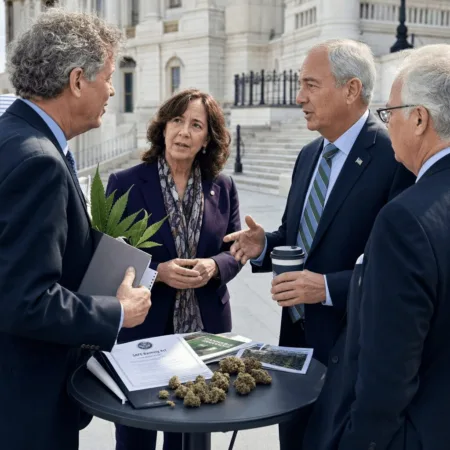
The Massachusetts marijuana repeal saga took a dramatic turn this spring. A coalition of activists, parents, and health policy groups organized a series of high-profile rallies in front of the Massachusetts State House. According to Fox News coverage, protesters have voiced frustration over what they describe as lax enforcement and negative community impacts. On the legislative side, Representative Mary Ryan recently introduced a bill aiming to roll back significant portions of the state’s landmark 2016 cannabis law. The bill, filed in early May 2024, proposes stricter dispensary zoning requirements and tighter marketing restrictions, stoking fears of a regulatory rollback among industry advocates. Industry groups like the Massachusetts Cannabis Business Association have mobilized legal resources to counteract the bill, arguing that repeal would devastate local economies and minority-owned businesses. The situation escalated when local municipalities, including Barnstable and Springfield, threatened to enact their own bans on retail sales. According to NORML’s legislative tracker, similar efforts in other states have often failed, but never before has Massachusetts seen such a coordinated repeal campaign. These regulatory debates are also mirrored in other states, as seen in the ongoing legislative discussions in Arkansas regarding marijuana laws.
Expert Analysis: What the Repeal Wave Means for the Cannabis Community
The Massachusetts marijuana repeal campaign isn’t just about regulation, it’s about the soul of the legalization movement. As a longtime cannabis advocate, I’ve watched tides shift before but this one feels different. According to MJBizDaily, Massachusetts’s adult-use market generated over $1.7 billion in revenue last year, supporting thousands of jobs. A full or partial repeal would hit workers, patients, and small entrepreneurs hardest. Emily Paxhia, managing partner at Poseidon Investment Management, put it bluntly: “Repealing cannabis reform sends the wrong message. It undermines public trust and the regulated market’s ability to deliver safety and equity” (Forbes). If Massachusetts moves backwards, it could embolden opposition groups in other states, threatening hard-won progress. The concerns over underage drug exposure also resonate elsewhere, especially after high-profile incidents in New England, like when a child in New Hampshire tested positive for cannabis and cocaine. At the same time, public health experts point out that responsible regulation—not prohibition—is the key to keeping communities safe, as evidenced by research from the Drug Policy Alliance. Even with the current challenges, the consensus among most industry insiders is clear: repair, don’t repeal.
Future Outlook: Why the Massachusetts Marijuana Repeal Fight Matters for Everyone
The storm around the Massachusetts marijuana repeal debate is far from over. Yet despite the turbulence, there’s reason for real optimism. Historical trends suggest that when citizens and lawmakers hash out legalization’s rough edges, the results are smarter policy and wider acceptance in the long term. As Leafly’s industry review concludes, states that maintain dialogue and course-correct ultimately end up with stronger, more equitable markets. The cannabis community in Massachusetts is resilient—rallying around better public education, improved regulation, and innovative social equity programs. Bottom line: the Massachusetts marijuana repeal controversy is a reminder the movement is still evolving, and the fight for safe, fair access is alive and well. With continued advocacy and smart reform, the Bay State will likely find a way forward that preserves legalization’s spirit—helping blaze a trail for others yet again.
Originally reported by: foxnews.com


1 Comment
Pingback: repeal recreational marijuana Massachusetts: Will Legalization End?