


Trump marijuana executive order: Will legalization finally happen?
Let’s talk about something big in the cannabis world—the Trump marijuana executive order. This news is catching major buzz because it’s not just another headline; it’s stirring up real conversation about federal marijuana law, setting up possible game-changing moments for both the industry and everyday users. With national attitudes shifting and political leaders finally paying attention, the cannabis industry is ready to see if this executive shake-up is the moment we’ve all been waiting for. We’ll look at what’s happened so far, why it matters, and what it could mean for everyone involved.
Understanding the Legal and Political Landscape Around Cannabis
For decades, marijuana was lumped into the same federal legal category as heroin, labeled a Schedule I drug under the Controlled Substances Act. This classification meant, in the eyes of federal law, cannabis had ‘no accepted medical use’ and a high potential for abuse, crushing research, banking access, and even safe business practices. Despite this, over 38 states have legalized medical marijuana (source: National Conference of State Legislatures), with 24 states and D.C. having gone fully recreational according to ongoing NORML state law updates. In Texas, the arrival of new medical cannabis facilities is transforming patient access, helping patients and advocates see real change at the ground level. While state laws have been liberalizing, federal law still creates a maze for everyone from doctors and patients to cannabis business operators. The market is booming, with legal U.S. cannabis sales hitting nearly $26 billion in 2022 (according to New Frontier Data). Yet most businesses can’t bank openly or write off normal business expenses because cannabis remains federally illegal.
The Trump Marijuana Executive Order: What’s Actually Happening?
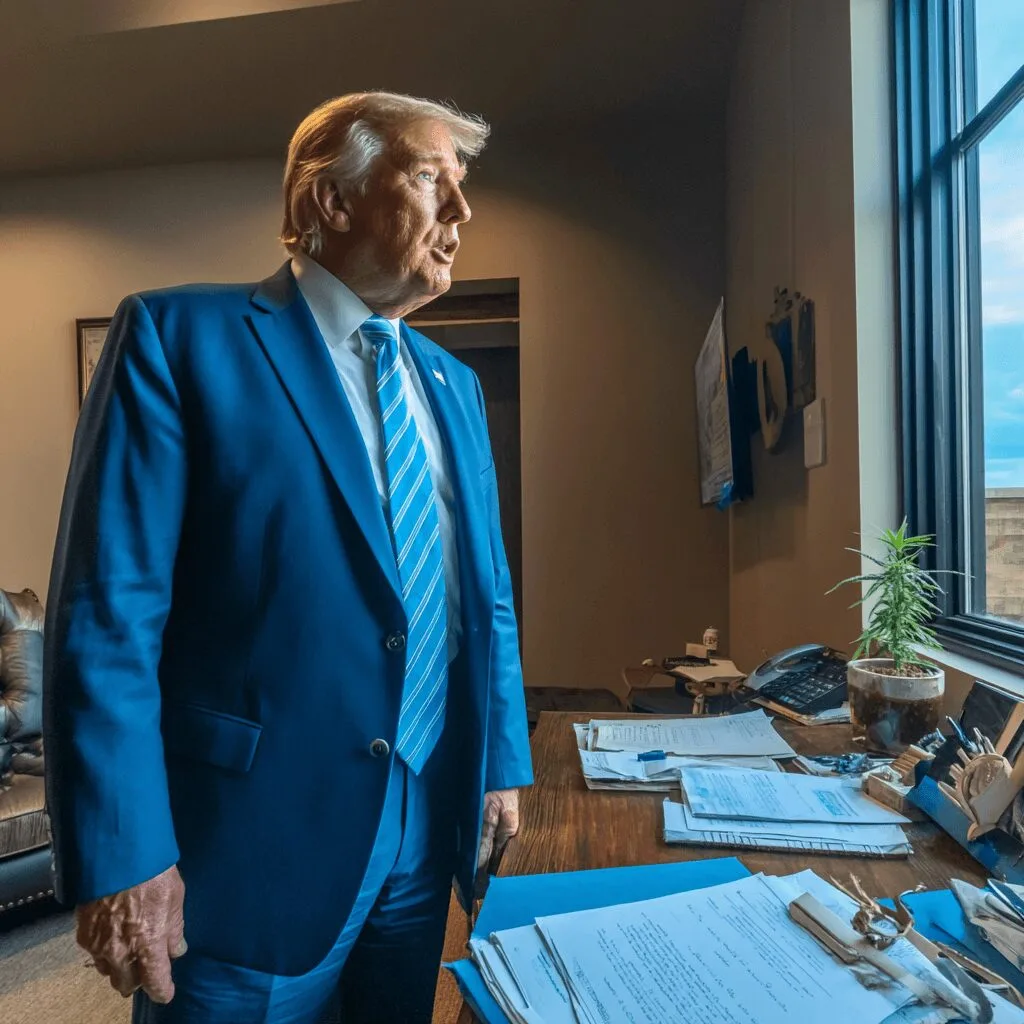
The big recent headline? Reports surfaced (as covered by The Grio) that former President Donald Trump is pushing an executive order to trigger marijuana reclassification at the federal level. This move comes as pressure from activists, politicians on both sides, and rapidly growing state-level markets reaches a fever pitch.
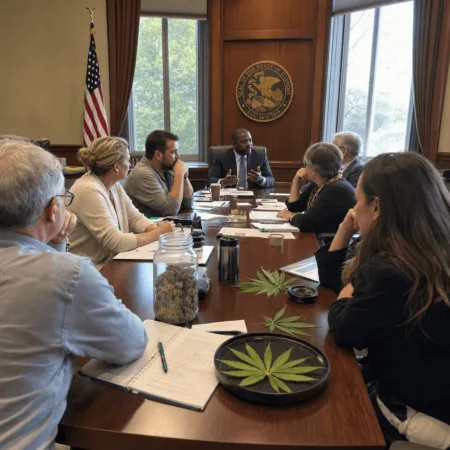
The proposed Trump marijuana executive order would direct federal agencies, notably the Department of Health and Human Services (HHS) and the Drug Enforcement Administration (DEA), to review marijuana’s classification. The plan is to shift cannabis out of Schedule I, potentially into Schedule III, a change that would open doors to medical research, business banking, and maybe even broader federal reforms. Many are watching closely to see how changes at the state level influence these decisions, especially with debates still ongoing about regulating hemp products for both adults and teens—these age restrictions are sparking serious discussion within the industry. Industry players say this executive order borrows language from bills like the Cannabis Administration & Opportunity Act and echoes recommendations made by Brookings Institution policy advisors. Sources close to the administration believe Trump’s team is leveraging the moment, with public opinion stronger than ever for reform (68% of Americans favor legal marijuana according to Gallup), and increasing calls for bipartisan policy solutions, this executive move could be a legacy-defining issue.
As of December 2025, details remain fluid. The order would not itself legalize cannabis, but it would force federal science and law enforcement agencies to speed up their review and potentially clear major roadblocks standing in the way of state-legal businesses.
Expert Analysis & Cannabis Community Insights
Pull up a chair, because if you’ve been around the ganja block, you know just how big this Trump marijuana executive order is for the cannabis industry. Real talk, getting the Feds to move on reclassification would be even bigger than the last few major state ballot victories—and could reshape how legalization affects American society in some pretty surprising ways, as recent data and analysis of legalization’s social impacts reveal. According to MJBizDaily, some industry leaders say this executive order is the most serious signal for federal reform since the Cole Memo days. Rescheduling would let licensed cannabis companies finally access basic banking and credit, with many experts calling this the tipping point.
As Amanda Reiman, PhD, a respected cannabis policy strategist, told Weedmaps News: “This is the shift the industry’s been waiting for. Reclassification would allow research to flourish and bring legitimacy to what’s already a multibillion-dollar sector.” Meanwhile, on the social side, advocates argue this move, while not full legalization, could offer immediate relief to nonviolent offenders and clear the way for social equity measures.
Still, some cautious voices remind us, a Trump marijuana executive order alone won’t erase all problems. Issues like expungement, fair licensing, and federal taxation need new legislative fixes. But this milestone? It’s a legit mark of progress.
Looking Forward: What Comes After the Trump Marijuana Executive Order?
This isn’t just another headline, friends—it’s a clear sign the tides are turning for cannabis nationwide. The Trump marijuana executive order tells us one thing: the conversation has gone mainstream, and federal leaders can no longer ignore the market, science, or people behind this powerful plant.
With state markets smashing records and citizens voting for freedom, federal reform is not a matter of if, but when. According to Leafly’s politics team, the next few years could see everything from banking reform to social justice fixes, all thanks to momentum built up by moves like this executive order.
Stay tuned, stay lifted, and remember—when federal law finally aligns with public opinion, the future for cannabis in America looks brighter than ever.
Originally reported by: thegrio.com
1 Comment
Pingback: Medical Cannabis Senior Care: Innovative Solutions for Seniors