



TABC hemp hearing Texas: Everything You Need to Know Now
Hey, Texas cannabis community—pay attention! The TABC hemp hearing Texas is making waves across the Lone Star State. State regulators, passionate advocates, and concerned business owners are converging to debate what the future holds for hemp and low-THC cannabis in Texas. With stakes high for small businesses and patients alike, and recent headlines turning up the heat, this hearing is the talk of the town. Let’s break down what matters, why it matters, and what might change after this pivotal moment for Texas cannabis. You’ll find the latest updates, key challenges, and what the experts are really saying. Saddle up—it’s about to get interesting.
The Regulatory, Legal, and Cultural Landscape in Texas
Texas is walking a delicate line on cannabis. Legally, Texas only allows hemp products with less than 0.3% THC by dry weight. The Texas Tribune explains how the 2019 Farm Bill and House Bill 1325 set these barriers, but enforcement is a constant push-and-pull between state agencies and courts. Socially, Texans are divided, with urban voters warming up to hemp and medical cannabis, while rural, traditional communities remain skeptical. The Texas Alcoholic Beverage Commission (TABC) joined the fray, as edibles, smokables, and infused drinks triggered new questions on regulating on-site consumption and manufacturing. Regulatory updates in one state can disrupt the market elsewhere, much like the impact seen when new cannabis policies affect urban renewal efforts as discussed in urban regeneration stories abroad. Meanwhile, businesses are frustrated by unclear rules and sudden enforcement, causing market instability cited by recent MJBizDaily market reports. The TABC hemp hearing Texas arrived at just the right (or maybe wrong) time, right when the industry demanded clarity.
Key Developments & Issues from the TABC Hemp Hearing Texas
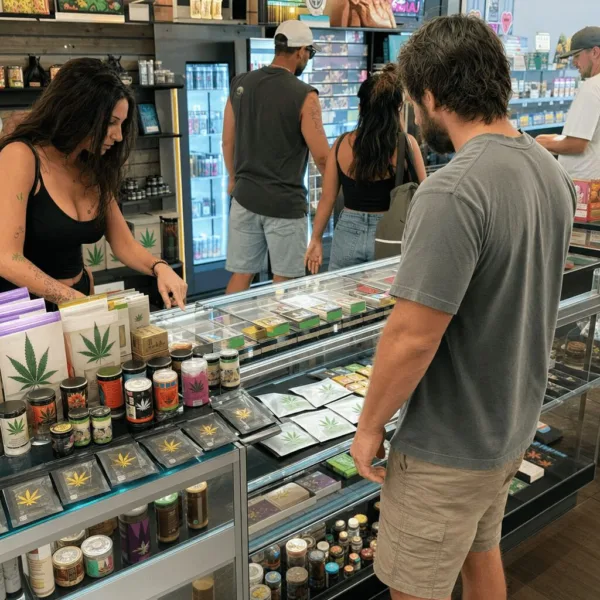
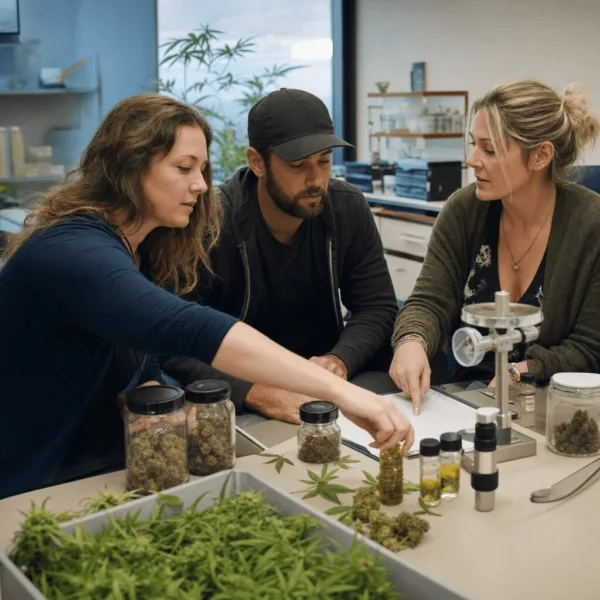
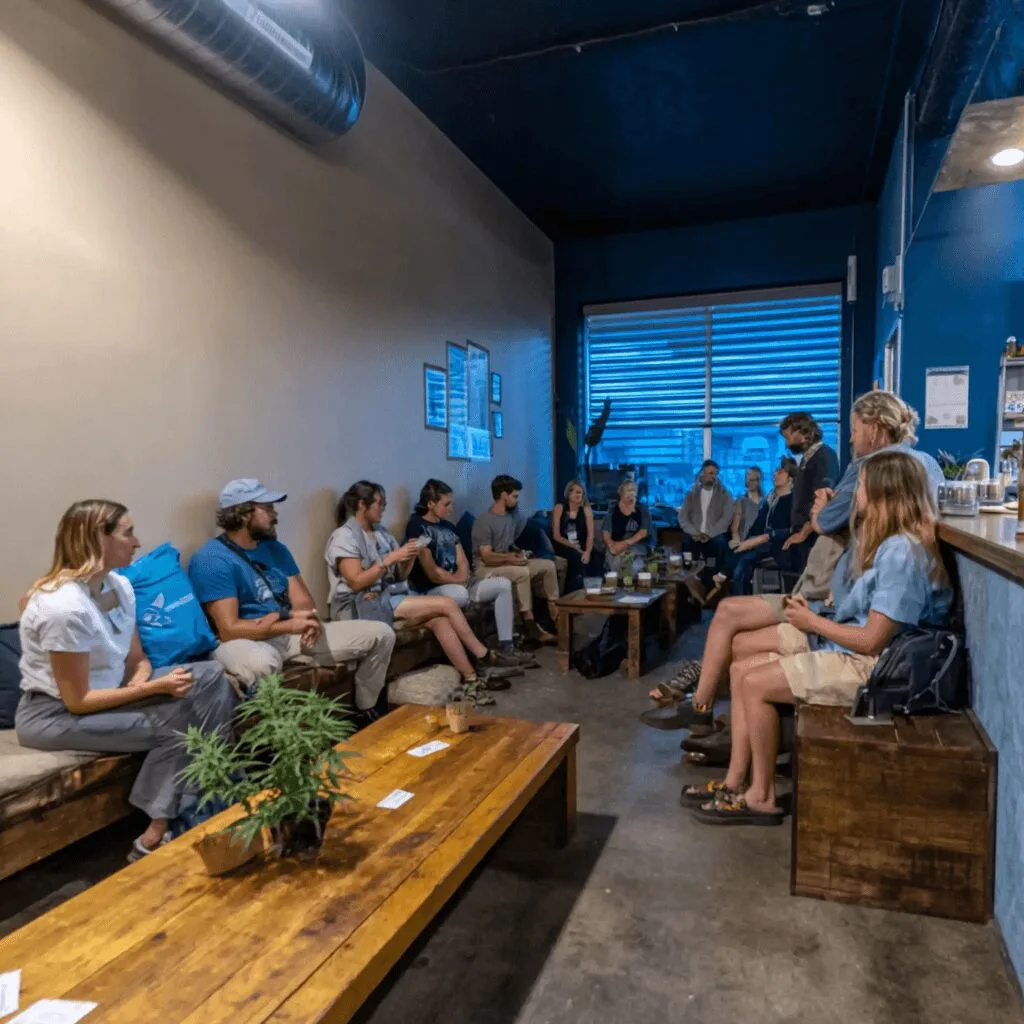
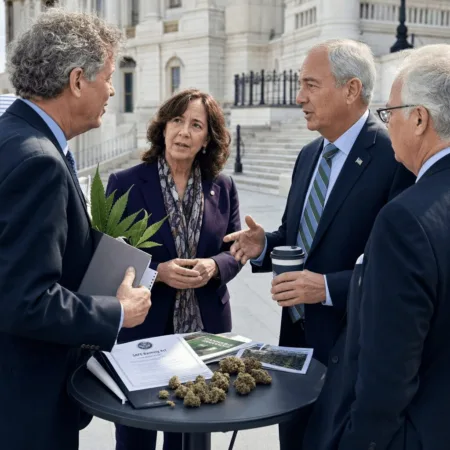
The recent TABC hemp hearing Texas drew a packed house in Austin, reflecting real anxiety and energy in the marketplace. According to MySanAntonio’s firsthand reporting, the hearing featured testimony from local business owners, patient advocates, and TABC officials. On the table was whether hemp-derived cannabinoids like delta-8 and infused beverages should be regulated more tightly or banned from retail sale entirely. Lawmakers cited concerns that some hemp-derived products skirted legal THC limits, while business owners worried sweeping bans would devastate jobs and patient access. These regulatory debates mirror challenges when industries adapt to evolving cannabis rules, similar to how educational standards shift as cannabis certificate programs reshape college curriculums. TABC staff revealed enforcement data from the last year, noting multiple product seizures and compliance warnings. Meanwhile, medical users and entrepreneurs told moving stories, underscoring how even small regulatory tweaks can create ripple effects across the state’s $500M hemp sector. Discussion grew tense when new product labeling and age restriction rules surfaced as proposals for 2024. The TABC ultimately concluded the session by inviting more written feedback, signaling a lengthy rulemaking process ahead. Industry experts expect updates throughout the summer as public comment periods continue.
Expert Analysis, Insights, and the Pro-Cannabis View
As someone deeply involved in the Texas cannabis scene, these TABC hemp hearing Texas debates aren’t new, but they’re crucial. For every tough question about public safety or labeling, there’s an honest answer about patient needs and market realities. National industry observer Leafly reports, “Regulatory clarity is make-or-break for small producers, but bans will only push the market underground.” According to Texas-based industry consultant Ashley Allen, “Cannabis always finds a way, policy should guide it safely rather than pretend it doesn’t exist.” These regulatory struggles are similar to the turbulence seen in other cannabis markets, such as Massachusetts, where the industry had to respond decisively to fraud and safety controversies as described in industry-wide analyses. The real issue is balance, as Texas can learn from other states like Colorado and Illinois, where thoughtful rules protect both consumers and market growth. Legal ambiguity only encourages confusion and bad actors. The TABC hemp hearing Texas is a rare chance for the state to right-size its approach and set fair standards for local operators. While emotional, the testimony showcased remarkable knowledge and heartfelt intent on both sides. If officials heed experts and advocates, not just lobbyists, Texas can create a model for the South.
Looking Ahead: The Future After the TABC Hemp Hearing Texas
Here’s the big picture: Texas is changing. Every TABC hemp hearing Texas brings new energy, voices, and urgency. From rural farmers to urban processors and everyone in between, Texans want clear, fair, and modern rules. According to NORML, state-level reforms continue to gain ground, especially with increased public education and advocacy. The cannabis industry keeps proving its worth—think economic growth, medical access, and fewer criminal prosecutions. No matter what side you’re on, the discussion is moving forward, not back. If policymakers keep listening and adapt regulations with transparency, Texas might soon be known for more than just barbecue and boots. The TABC hemp hearing Texas isn’t the last of its kind, but it might just be the most important so far. Stay tuned, stay active, and let’s keep Texas at the forefront of smart cannabis change.
Originally reported by: mysanantonio.com
1 Comment
Pingback: Oregon hemp THC regulations: What new laws mean for you