Hemp Ban Enforceability: What You Need to Know Now
Lately, the rumor mill in cannabis circles has been spinning wild about hemp ban enforceability. If you’re wondering whether your next hemp roll or edible is safe from sudden legal heat, you’re not alone. With states eyeing restrictions even on federally legal hemp, everyone from casual users to seasoned advocates is asking: just how enforceable are these bans? This article breaks down the latest moves, the gray areas, and what you need to watch as laws and attitudes keep shifting. Buckle up, because hemp ban enforceability is more critical than ever for anyone in the legal hemp game.
Understanding the Landscape: Legal, Regulatory, and Social Factors
The 2018 Farm Bill kicked off the modern hemp era in the U.S. by federally legalizing hemp, defined as cannabis with less than 0.3% THC. This led to an explosion of hemp-based products, from smokable flower to delta-8 gummies. However, the law left plenty of wiggle room for state-level interpretation. States like Texas, New York, and North Carolina have imposed their own crackdowns, citing everything from unauthorized cannabinoids to confusion with recreational marijuana use. According to NORML and Leafly, enforcement varies wildly by state and municipality, and this is evident as regulatory responses have impacted products such as infused THC drinks, particularly after the recent shakeup in the Ohio THC drink scene. Courts are now facing the challenge of separating hemp from high-THC cannabis, often with limited resources, testing, or clear protocol. Simultaneously, the legal patchwork is impacting both consumer rights and industry innovation, making the issue of hemp ban enforceability far from resolved.
Latest Developments: Legal Actions, Conflicts, and Industry Fallout
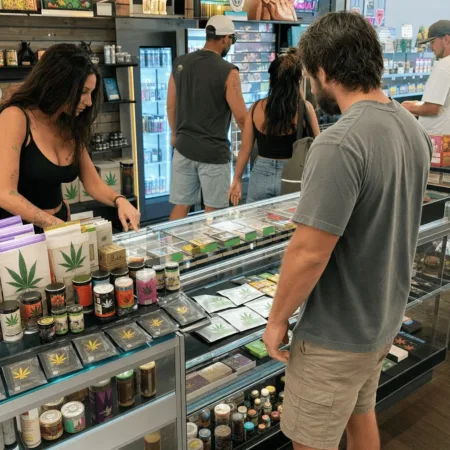
Recently, legal challenges and state raids are heating up. According to a Vice News analysis, multiple states attempted bans or strict limits on certain hemp-derived products in the last year. For example, Texas authorities ramped up raids on smokable hemp retailers in 2023, while New York’s Department of Health tried to ban delta-8 and related hemp cannabinoids. In August 2023, Texas hemp companies scored a win with a court injunction that blocked immediate enforcement of the smokable hemp ban, pointing to unclear state law and preemption by federal protections. Meanwhile, retailers like Natural Remedy Store and Greenwave Wellness report inconsistent enforcement and confusion among law enforcement officers, some of whom can’t distinguish hemp from cannabis in the field. Notably, as state regulators attempt to limit access to products like CBD or THC beverages, controversy and confusion among health inspectors has escalated, raising questions about what comes next for infused drinks and consumer safety. According to Marijuana Moment, legal experts warn that the current patchwork risks unfair targeting and legal uncertainty, particularly for small businesses and consumers using legitimate, federally legal hemp goods.
Expert Perspective: Insights, Trends, and the Big Picture of Hemp Ban Enforceability
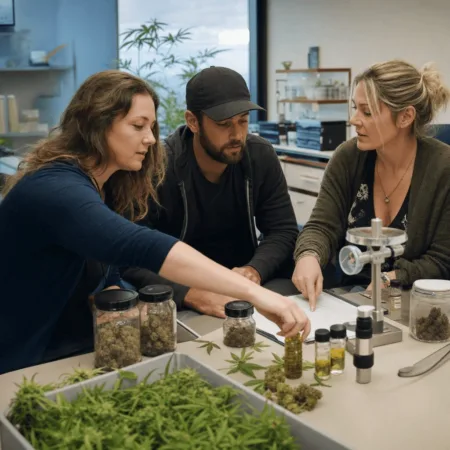
So, what does all this mean for hemp ban enforceability long-term? According to Leafly’s policy editor David Downs, “So many of these enforcement attempts are more political theater than practical reality. Most law enforcement agencies don’t have the resources, or the chemistry labs, to distinguish between legal hemp and illegal cannabis on the spot.” Upshot, the real-world enforceability of bans remains highly questionable. The situation exposes bigger industry trends: many states are grappling with how to regulate the booming hemp sector without stifling innovation or criminalizing consumers. Industry insiders point to the need for improved field-testing technology, smarter regulation, and robust public education campaigns. For those relying on cannabis as an alternative for chronic pain or wellness, the conversation also ties into whether medical marijuana can replace opioid pain relief in a rapidly shifting legal context. As consumers get savvier and lawmakers get pressured by diverse voices, hemp ban enforceability is likely to remain a frontline issue that will shape the next decade of cannabis policy.
Looking Forward: Clarity, Advocacy, and a Greener Future
Despite waves of new restrictions, the future looks bright for the hemp and broader cannabis industry. As advocates push for fair laws and courts rule against overreaching local bans, momentum for reform is growing. According to NCSL, states continue to revisit outdated statutes and work towards smarter regulation that supports industry growth and protects consumers. While hemp ban enforceability remains a sticking point, expect more clarity, consistency, and a stronger pro-cannabis voice shaping the next evolution. For now, stay informed, support local advocacy, and keep your eyes on the ever-shifting regulatory horizon. The days of gray-area confusion are numbered, and a truly equitable cannabis landscape is within reach.
Originally reported by: vice.com