Health Inspectors CBD THC Drinks: What Went Wrong?
From L.A. juice bars to small-town gas stations, CBD and THC drinks are booming. But with rapid growth comes scrutiny, especially as health inspectors CBD THC drinks debates heat up. The latest buzz comes out of Illinois, as county health officials and beverage makers clash over safety, rules, and unexpected confusion. Whether you’re a canna-curious newcomer or a seasoned industry pro, now’s the moment to understand what happened, why it matters, and how it’s shaping the future of cannabis-infused wellness beverages.
Understanding the Regulatory Maze for Cannabis Drinks
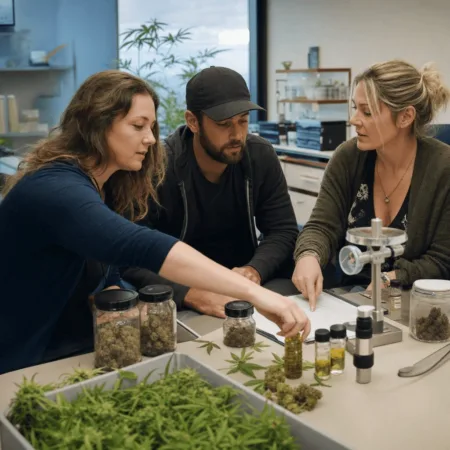
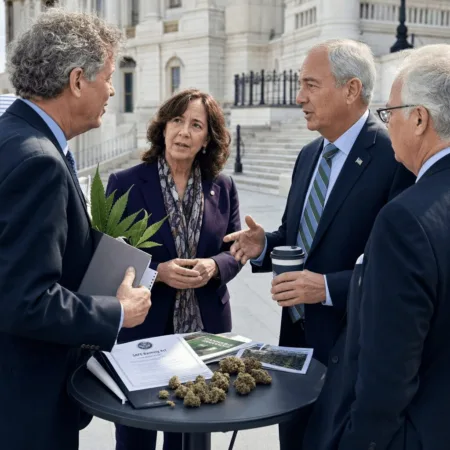
The conversation around health inspectors CBD THC drinks is fueled by a patchwork of regulations that differ wildly across state and local lines. In states like Illinois, ambiguity reigns: While recreational cannabis is legal, cannabinoids in consumable beverages occupy a gray area in food and beverage codes (Illinois Government). Health departments, whose job is to protect public safety, have found themselves tangled in evolving policies. They must balance consumer protection, legitimate business growth, and shifting public acceptance of cannabinoids in mainstream products. As cannabis beverages go mainstream, with sparkling seltzers containing THC microdoses or relaxation teas laced with CBD, inspectors are under pressure to answer complex questions about testing, labeling, and cross-contamination. According to the FDA, CBD’s legal status in food and drink products is still subject to federal uncertainty, which only complicates things for state and local officials. The lack of clarity is similar to what Michigan dispensaries encounter when adapting to newer cannabis wholesale tax updates (more here). This gap between speedy industry innovation and slow, careful regulation lies at the heart of what’s gone wrong with health inspectors CBD THC drinks situations.
The Real Story, McLean County’s Battle Over Cannabis Sips
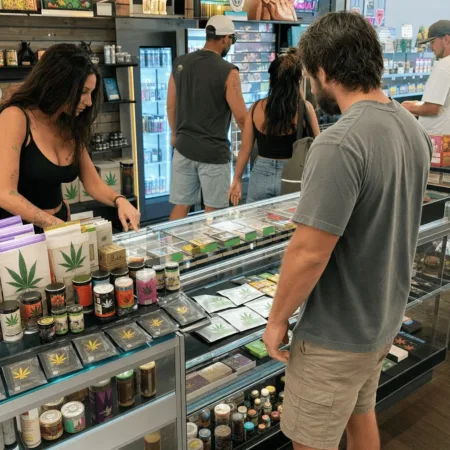
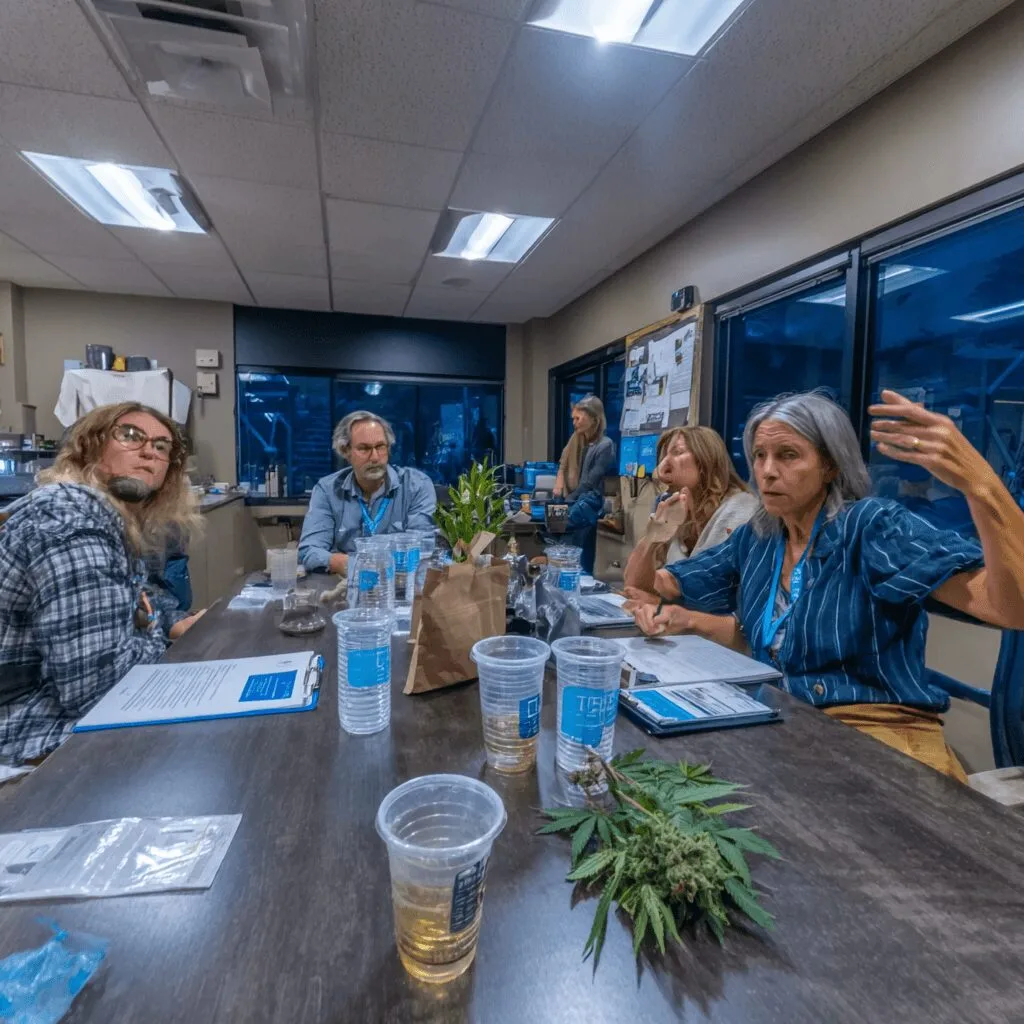
Here’s the rundown: In December 2025, the McLean County Health Department found itself under fire after news broke of inspectors ‘woodshedding’ (that’s bureaucrat speak for intense scolding) over how they handled health inspectors CBD THC drinks cases (WGLT News, 2025). The department was reportedly overwhelmed by CBD and THC beverages sold at local stores—products ranging from artisan cold brews to colorful sodas promising relaxation or pain relief. The confusion came down to this: Retailers launched new drinks amid conflicting messages over testing, distribution permits, and labeling requirements. Some stores pulled infused beverages off shelves, while others doubled down, arguing the rules weren’t clear. The health inspectors, meanwhile, tried figuring out which rules to enforce, whether they had authority under local food safety laws, and whose job it really was to monitor cannabinoids in drinks. According to the Chicago Tribune, similar clashes have played out state-wide, especially as sales have outpaced clear legal guidance. The December confrontation in McLean County wasn’t just about a few bottles on a shelf—drivers have also experienced tighter scrutiny of cannabis regulations, especially with new storage laws impacting consumers in other states (learn why storage matters). It was a prime example of the tension between fast-moving cannabis trends and the slower pace of government clarity.
Expert Analysis: Lessons, Industry Frustrations, and Hopeful Solutions
For the cannabis crowd, the McLean County incident represents a classic ‘growing pains’ scenario. Industry specialists point to a lack of unified standards as the root issue for health inspectors CBD THC drinks confusion. As MJBizDaily columnist Laura Drotleff puts it, “The patchwork approach is making it nearly impossible for honest businesses and inspectors to stay on the same page. The longer rules remain vague, the likelier that confusion, and consumer distrust, will rise.” The industry continues to call for clear, statewide frameworks that spell out CBD and THC limits, safety requirements, labeling norms, and retail conditions. At the same time, many public health officials say they want to support responsible entrepreneurs, not scare them off. From a market standpoint, the sheer demand for cannabis drinks (valued at over $1 billion annually, Brightfield Group) means the pressure to get it right has never been stronger. Most canna-advocates agree: Cooperation, education, and transparency hold the keys to untangling this mess—especially as new formulations and sales channels hit the market almost monthly, and as experts warn about the potential health risks such as cannabis hyperemesis syndrome (full breakdown here).
Looking Ahead: Can Confidence Return to Cannabis Beverages?
Despite the speed bumps, there’s real optimism among advocates and insiders that health inspectors CBD THC drinks confusion will ease as regulations catch up and education improves. Illinois is far from the only state facing these conflicts, and every headline like McLean County’s nudges regulators, businesses, and consumers closer together. According to the National Organization for the Reform of Marijuana Laws (NORML), these hiccups are simply a sign of a maturing industry, not a broken one. The takeaway? Markets adapt, people learn, and public demand for safe, well-made cannabis beverages isn’t slowing down. As societal acceptance and regulatory wisdom grow side by side, expect smoother sailing ahead for infused drinks—and better outcomes for everyone from cautious health inspectors to curious consumers.
Originally reported by: wglt.org