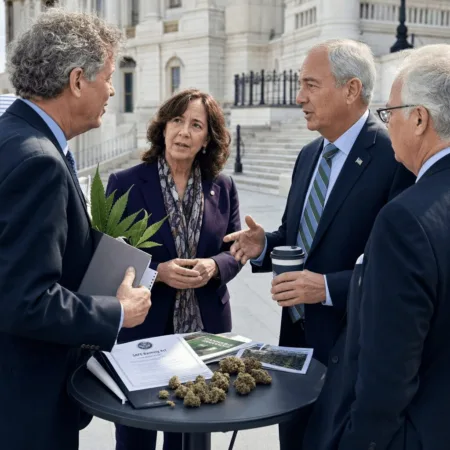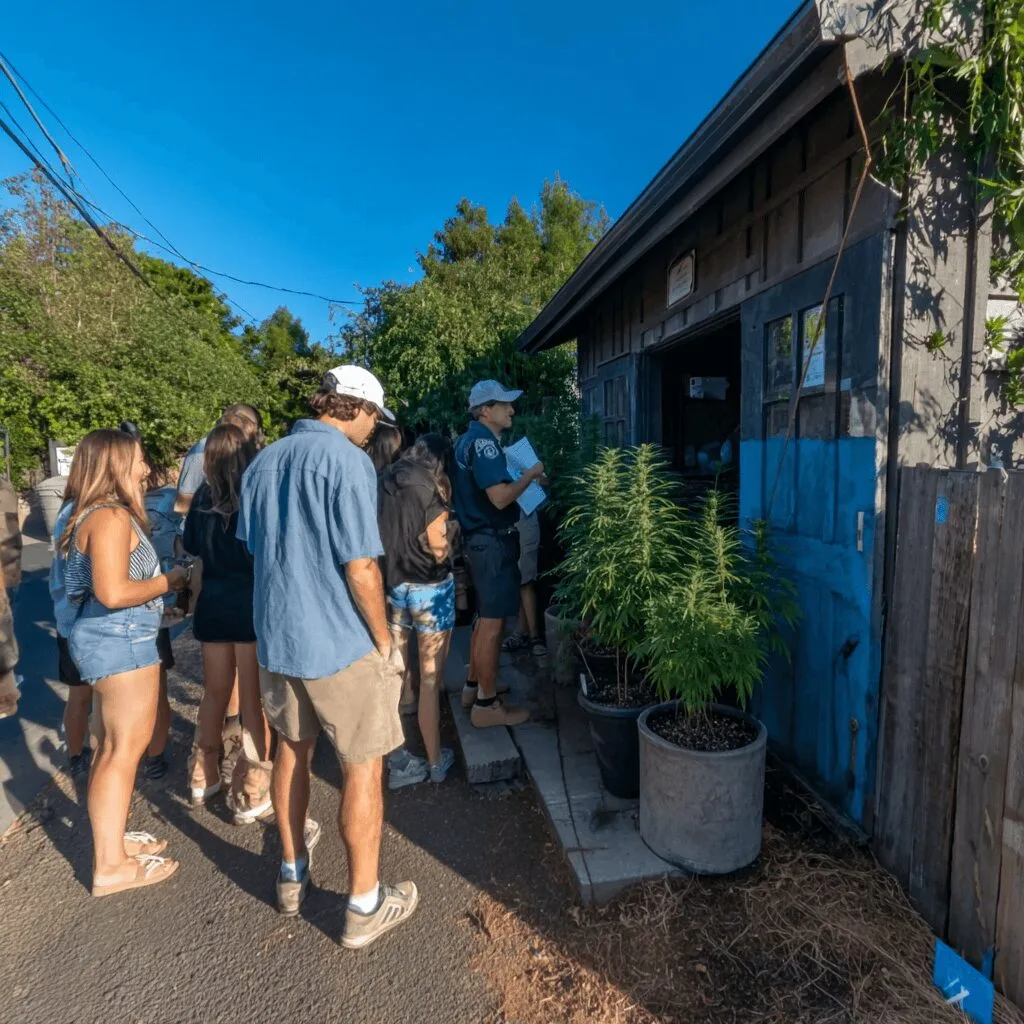
If you’ve been watching the green rush in California, you already know Yolo County cannabis permits are a hot ticket. With fast-evolving regulations and growing local demand, the time to secure your spot is now. These new openings matter because they set the tone for small operators, hopeful entrepreneurs, and legacy growers hoping to go legit. As the county makes headlines with its application window, we’re breaking down what this means for the scene, how to move quickly, and why it’s a big deal whether you’re a seasoned hand or just getting started.
The Roots: Understanding Yolo County’s Cannabis Climate
Yolo County has carved out a unique place in California’s cannabis landscape. While some nearby counties put up roadblocks, Yolo took a pragmatic path after the 2016 passage of Proposition 64, fostering a tightly regulated but notably farmer-friendly approach. Local officials recognize the value: cannabis brings revenue, jobs, and a safer, traceable market. CalMatters reports that counties with clear permit pathways like Yolo have seen steady economic boosts, plus a decline in illicit grows. It’s a cultural vibe—Yolo voters and leaders seem keen to get it right, grounding their public input in reasoned zoning. For those comparing approaches throughout the market, it’s worth noting that regulatory policies can affect older adults too, as seen in unexpected impacts linked to cannabis among older adults. When scanning the regional map, Yolo County cannabis permits emerge as an example of how discipline and opportunity can coexist efficiently.
Key Updates: What’s New with Yolo County Cannabis Permits?
On June 5, 2024, Yolo County officially opened a fresh application window for commercial cannabis activity. According to the County’s own site, this move expands access to permitting for cultivation, distribution, manufacturing, and testing. The new process addresses industry demand and growing interest from both legacy and new operators. For example, regulatory reforms like those emerging in other states’ evolving hemp and marijuana laws help illustrate the broader shift toward transparent application rules. While some applicants have voiced concerns about prior backlogs, the County’s new guidelines feature clearer deadlines and better public communication. This county-driven effort no longer relies on major third-party companies and offers real oversight by the Department of Community Services. Permit hopefuls will now encounter more detailed compliance requirements, including up-to-date zoning maps, site visit schedules, odor mitigation, and local impact considerations. By mid-July 2024, the window will close, after which the County will review, score, and prioritize all hopefuls in strict accordance with the new policy. The Sacramento Bee also notes strong interest has come from small businesses and local advocates, signaling a pivotal new chapter for those pursuing Yolo County cannabis permits.
Expert Insights: Why Yolo’s Permit Move Matters
This permitting surge isn’t just county news—it’s a bellwether for Western cannabis. Experts note that Yolo’s method demonstrates how rural regions can integrate cannabis without the chaos seen in unregulated markets. According to Leafly, “Yolo County has shown what’s possible when regulators actually listen to stakeholders rather than just knee-jerk reacting to outside pressure.” The impact is twofold: cultivators gain a legitimate path to operate, and communities gain greater transparency into environmental and social impacts. Sarah Martinez of the California Cannabis Industry Association summarized the mood: “Yolo’s steady hand draws in talent, and folks know their investment counts, which is how healthy markets grow.” Keeping up with industry-wide best practices in marketing compliance can also make a difference as authorities and entrepreneurs shape the future of Yolo County cannabis permits as more than just a trend, but a lasting shift in collaboration and governance.
What’s Next? Optimism and Opportunity for the Cannabis Community
With renewed access to Yolo County cannabis permits, the pathway is primed for innovation, inclusion, and economic renewal. Local leaders are betting on regulated growth that prioritizes community voices, sustainability, and genuine industry collaboration. It’s a far cry from the Wild West days—now, it’s about accountability and shared rewards. As MJBizDaily points out, counties that invest in balanced, stakeholder-driven cannabis rules tend to see fewer headaches down the road. So whether you’re a seasoned grower or a newcomer to the Yolo scene, there’s never been a better moment to get involved. The future? Bright, green, and guided by a community-first ethos—right here in Yolo County.
Originally reported by: yolocounty.gov