





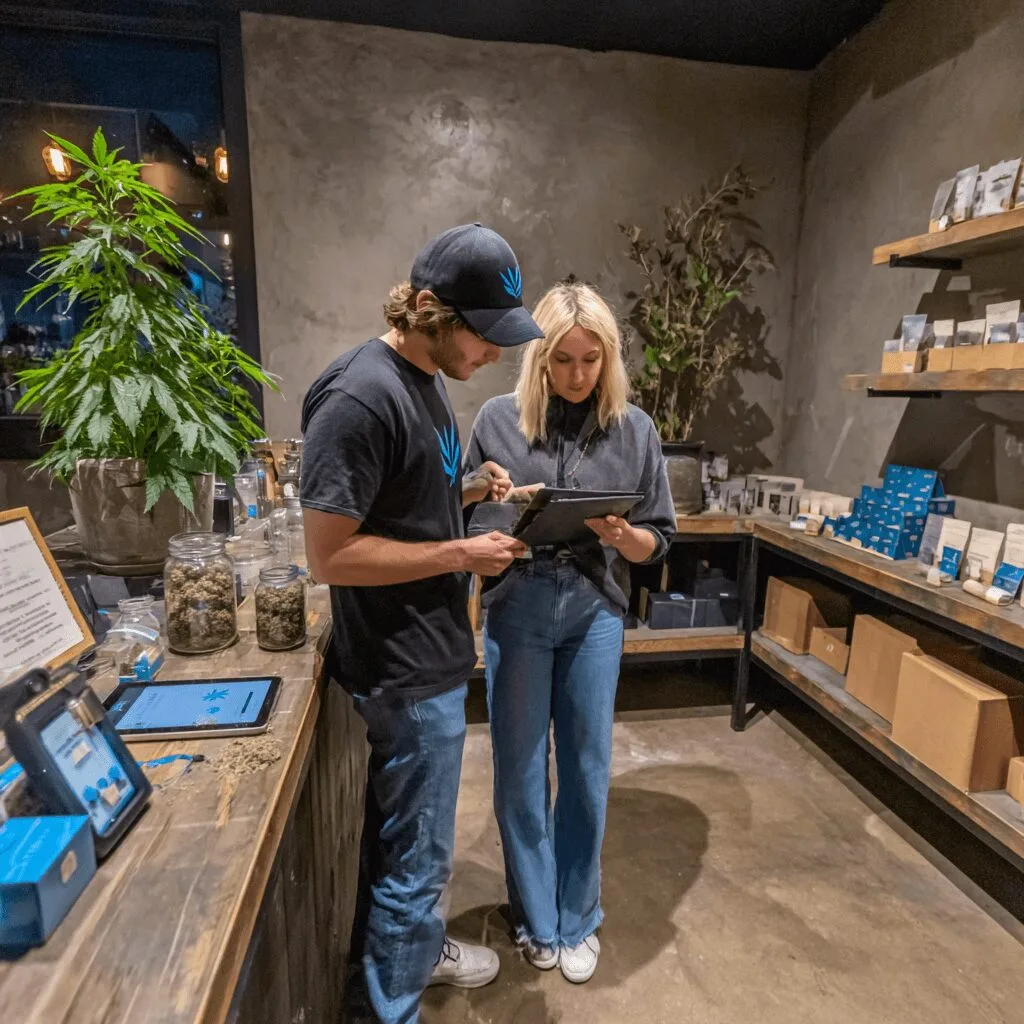
If you’re tracking the pulse of the Empire State’s green rush, New York cannabis tracking is the phrase lighting up every conversation right now. With dispensaries scrambling and regulators hustling, the chaos around New York’s seed-to-sale system is the latest chapter in the ever-evolving cannabis saga. As we dive into why so many are anxiously watching this rollout, expect a breakdown of what’s causing the delay, who’s caught in the grinder, and how this echoes across broader cannabis markets. Strap in—transparency, traceability, and trust are all on the line in New York cannabis tracking.
The Regulatory Maze: How We Got Here
The rollout of New York cannabis tracking didn’t happen in a vacuum. The state’s legal cannabis market, launched post-2021 after a long, arduous campaign for social equity and decriminalization, is among the most heavily regulated in the nation (New York State Office of Cannabis Management). Lawmakers pushed for transparent, trackable systems for every cannabis seed, clone, flower jar, gummy, and pre-roll. The mandate was clear: from seed-to-sale, every cannabis product must be monitored, traced, and logged. This initiative aimed to weed out illegal operations, promote public health, and ensure New York’s cannabis is the cleanest, safest, and most legit in the game. But with great ambitions have come great logistical headaches. Each state-licensed business is required to reconcile every product movement using digitized tracking software—something that takes time, money, and training. National legal shifts, including new federal considerations (NORML), are amplifying pressure on state systems. Meanwhile, activists and industry leaders urge rapid, secure tracking adoption to prevent diversion into the illicit market and protect smaller, equity-driven operators who don’t have Wall Street budgets. Stories such as family-operated grow crackdowns highlight just how complex compliance can be for those operating outside official channels, reminding us why strong regulatory tracking is so critical (family grow operation crackdown). The hope was that New York’s model would set a gold standard, but reality is proving trickier than any policy memo predicted.
Seed-to-Sale System: Delays, Disputes & Frustration
This month, the news that New York cannabis tracking software wasn’t ready for its targeted launch date sent shockwaves through the state’s grow rooms and retail counters (Spectrum News). Growers are stuck with product ready for shelves, but no state-verified way to log its journey legally. Retailers admit the current mix of spreadsheets, paper notes, and retrofitted POS systems is barely holding the line. According to industry insiders, over 400 dispensaries and more than 900 growers have been impacted by the software delay, leaving operators in regulatory limbo. The contract for the system, awarded to BioTrack, a major national seed-to-sale vendor, has come under scrutiny as pushback grows around implementation delays, lack of local tech support, and shifting regulatory specs. Recent leadership shakeups at state cannabis agencies have only added more uncertainty for everyone awaiting clear guidance on what comes next (state cannabis regulator changes). Some stakeholders fear product recalls or compliance violations if ad hoc tracking fails before the official system is in place. While regulators work overtime to patch holes, many operators say the disruption is costing them valuable sales and testing patience across the new legal supply chain.
Expert Insights: What This Means for the Industry
Let’s talk real world: delays in New York cannabis tracking aren’t just technical hiccups, they test the credibility of the industry at its most vulnerable moment. As Marijuana Moment recently reported, similar hiccups in other newly legalized markets have historically resulted in product slowdowns, consumer confusion, and even enforcement flare-ups. Major players voice concern, but also stand by the need for robust oversight. “Disruption is painful, but it’s also the crucible where reliable long-term systems are born,” says Melissa Moore, Director of Civil Systems Reform at the Drug Policy Alliance (Drug Policy Alliance). She’s not alone, as many observers see growing pains as necessary to avoid loopholes seen in less-regulated states. Nearby communities are also seeing how improper controls can fuel tensions and safety concerns over cannabis—from worries about marijuana odors near schools (marijuana odor near schools and public concern) to supply chain slowdowns. Meanwhile, respected trade reports such as Leafly highlight that smaller, independently owned shops are especially vulnerable to supply disruptions, making resilient digital infrastructure a social justice issue as much as a compliance one. The core? Reliable tracking means more trust for consumers, better public health controls, and a way to legitimize New York’s cannabis scene for Wall Street and legacy communities alike.
The Road Ahead: From Stalled Tech to Resilient Industry
The chaos in New York cannabis tracking right now feels like a tough learning curve, but it’s also the candor of an industry chasing new highs—in transparency, safety, and economic growth. Legalization was never going to be simple, but every glitch can become a lesson, and industry voices are already calling for better collaboration between state officials, tech providers, and local operators. With legal markets maturing nationwide, New York’s ability to course-correct will set the tone for how other states approach traceability. As Cannabis Business Times notes, regulation and innovation are destined to dance together—sometimes awkwardly, but always moving forward. Expect New York’s dispensaries and growers to adapt, thrive, and keep pushing for a market that’s open, equitable, and aboveboard. That’s what real progress in New York cannabis tracking looks like: stumbles, then strides. And plenty of stories worth lighting up in the years ahead.
Originally reported by: spectrumlocalnews.com


1 Comment
Pingback: N.Y. cannabis official resignation shocks industry insiders