





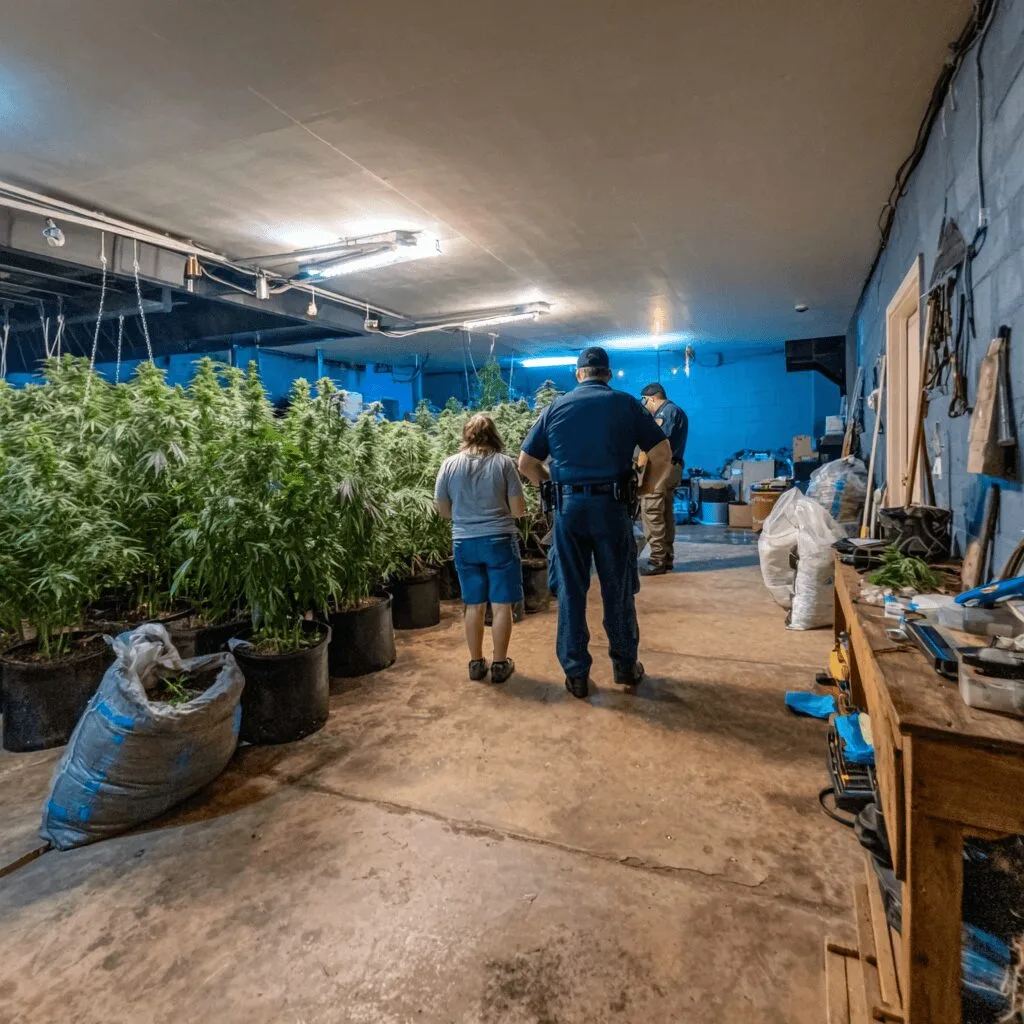
Pierce County marijuana bust: Massive family grow seized
Right now, everyone’s talking about what just went down in the heart of the Washington cannabis scene: the Pierce County marijuana bust. News of a large-scale family operation getting seized is making industry pros, advocates, and local consumers perk up and take notes. As legal markets expand, these moments highlight both the new realities—and ongoing conflicts—in cannabis regulation. In this article, we’ll break down the background of the Pierce County marijuana bust, all the key facts, some real talk about industry impacts, and how the future might shape up for growers, consumers, and the broader legalization movement.
Legal and Social Context: Why the Pierce County Marijuana Bust Matters
Washington State’s cannabis journey has been a wild one since recreational legalization took root in 2012. Still, regulatory guardrails remain tight, with production and distribution closely monitored by local authorities and the Washington State Liquor and Cannabis Board, as well as ongoing oversight amid shifting leadership and new challenges, as explored in recent discussions about regulator shakeups. These agencies keep the peace, and the paperwork, between legal operators and a thriving underground market.
But as NORML points out, a robust illicit market persists, complicating enforcement and policy goals. Pierce County has historically juggled strong community ties, a budding legal industry, and concerns over unlicensed grows popping up in residential areas. Lawmakers, police, and advocates all debate whether a high-profile bust helps or harms legalization efforts, and if the debate is primarily about public safety, tax revenue, or deeper community values.
What Really Happened: Key Developments in the Pierce County Marijuana Bust
This latest Pierce County marijuana bust unfolded at a property in suburban Tacoma, where deputies discovered what they called an ‘industrial-size’ marijuana operation. According to local news reports, including MyNorthwest, the Pierce County Sheriff’s Department responded to community tips and executed a search warrant just last week, underscoring how reports of suspicious activity, like noticeable marijuana odor near neighborhoods or schools, often alarm local communities and spark enforcement action—much as examined in ongoing city discussions.
Inside a nondescript garage, law enforcement found hundreds of mature cannabis plants, plus hydroponic setups and processing equipment. Officers said the operation was a family affair, involving two adults and a younger resident. All three were present during the raid and, by police reports, appeared overwhelmed by the scale of the response.
The seizure included more than 800 plants and 200 pounds of processed flower, valued by officials at several hundred thousand dollars, though market experts suggest these estimates are often inflated for headlines (see Leafly analysis). Authorities cited violations of production limits, lack of a state business license, and possible zoning infractions as the basis for criminal charges and asset forfeiture.
Expert Analysis, Industry Insight & Pro-Cannabis Commentary
Let’s be honest: headline-grabbing events like the Pierce County marijuana bust often stir heated debate, and not just among ‘stoners’ or officials. Experts say these busts spotlight the ongoing struggle between legacy growers and the formal cannabis economy; related tensions have also resulted in incidents such as arguments escalating to community-wide concern, which you can read about in this coverage of marijuana-related disputes and their impact. As Marijuana Moment recently reported, gaps in licensing pathways and cultural stigmas sometimes drive family growers underground, even in legal states.
Kate Denton, policy researcher at Leafly, summed it up best: “These situations are symptoms, not causes, where access to legal participation is too tough or expensive, folks find other ways. The solution? Smarter policies, not just police tape.”
This sentiment is echoed by many longtime Washington industry insiders, who recognize that family-run grows built the foundation for today’s billion-dollar marketplace, but feel left behind by the licensing lottery.
Moving Forward: What’s Next After the Pierce County Marijuana Bust?
No matter which side of the debate you’re on, one thing is clear: the cannabis conversation—in Pierce County and beyond—isn’t slowing down. Events like this bust force communities, regulators, and industry leaders to ask hard questions about equity, access, and fair enforcement.
A recent report from Drug Policy Alliance notes that progressive reforms and better pathways for small-scale growers can actually reduce underground activities, increase tax revenues, and support community safety.
For now, Pierce County must balance headline-driven crackdowns with the opportunity for smarter regulation and industry growth. As public opinion shifts in favor of broader legalization and sensible rules, the hope is that future headlines will focus less on busts—and more on the benefits cannabis brings to Washington and beyond.
Originally reported by: mynorthwest.com
1 Comment
Pingback: Discover Nature Healing Psychedelics: The Wild Cure Revealed