





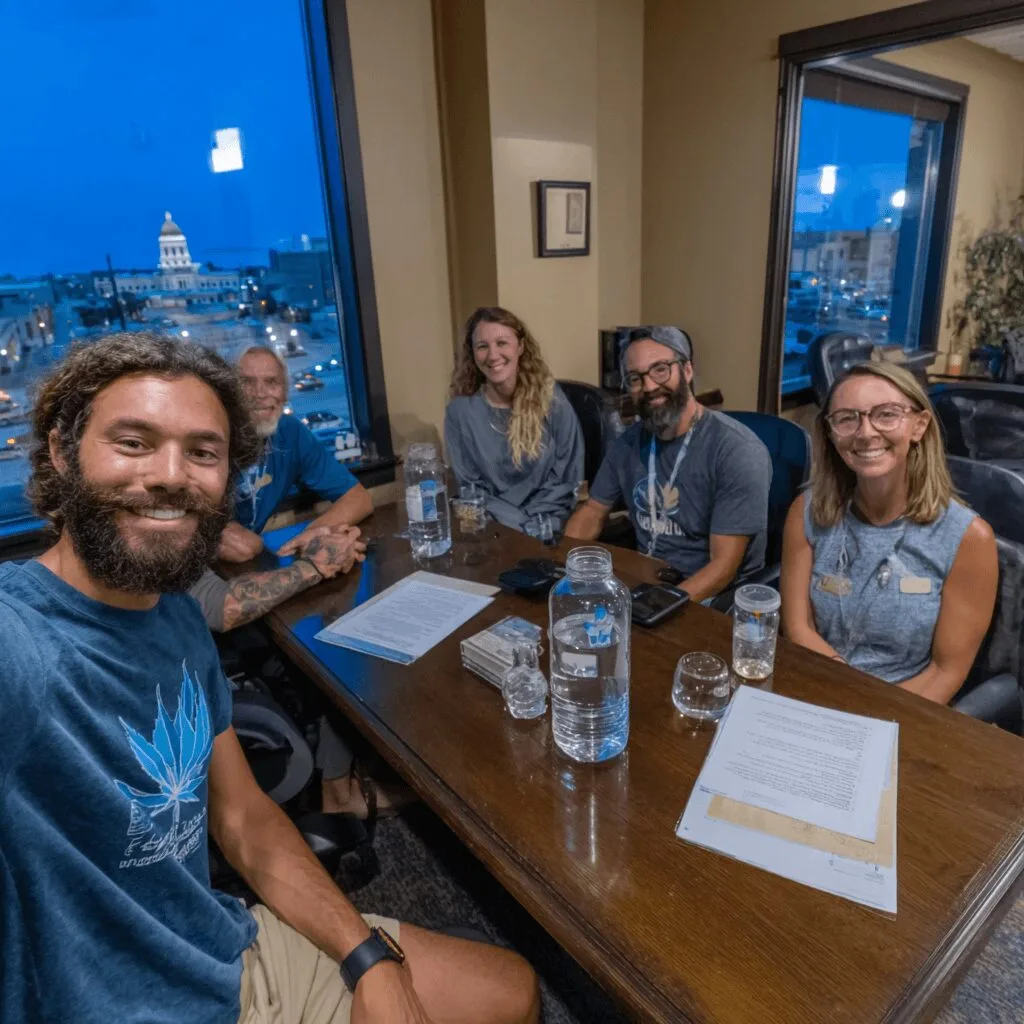
Medicaid and medical marijuana: Topeka leaders speak out
The crossroads of Medicaid and medical marijuana is heating up again in Topeka. With lawmakers and the cannabis community under one municipal roof, this debate spotlights both healthcare justice and shifting public opinion. Recent city council moves, rising patient demand, and evolving industry regulations make this moment uniquely important. How will Kansas navigate national trends that tie public health resources with access to medical cannabis—and what’s at stake for patients, providers, and policymakers next?
The Regulatory and Cultural Landscape of Medicaid and Medical Marijuana
Medicaid and medical marijuana rarely blend smoothly in the legal world, especially in more cautious states like Kansas. The Marijuana Policy Project explains that Kansas remains one of the last states without comprehensive cannabis reform, despite nearly 40 states moving toward legalization. At the federal level, the U.S. Department of Health and Human Services still lists cannabis as a Schedule I substance, preventing Medicaid from directly covering marijuana as medicine. However, debates over law enforcement’s role in enforcing cannabis policy persist, and recent teen arrests in communities highlight how this clash continues within the broader war on weed—see how one high-profile case illustrates ongoing policy challenges. But the tide is shifting. According to KFF Health News, medical cannabis is now a central pillar of debate in statehouses nationwide, with voters, patient advocates, and progressive lawmakers pushing for reforms that link state health coverage to modern, plant-based therapies. In Kansas, these debates stir up tension between advocates and those reluctant to rewrite long-held legal stances.
Key Developments: Topeka’s Priorities and the Medicaid and Medical Marijuana Debate
Last week, the Topeka City Council turned a spotlight onto Medicaid and medical marijuana policy during their legislative priority setting for 2026. According to a recent report by The Topeka Capital-Journal, council members debated whether to press state legislators for expanded Medicaid that explicitly covers certain medical marijuana prescriptions or related care. Much like evolving financial and policy debates in other cannabis sectors—such as how shifting investment patterns are shaping cannabis markets nationwide—the timing aligns with a growing national push: cannabis reform bills are active in at least 16 state legislatures going into 2026, as highlighted by NORML. Local advocates spoke out on behalf of low-income residents who rely on Medicaid to afford their medicines, arguing that excluding medical marijuana creates real gaps in healthcare and forces patients into risky workarounds or forces them to forgo essential treatments. Despite heated discussion, Topeka leaders ultimately voted to keep Medicaid and medical marijuana coverage on the table as a formal lobbying priority for the upcoming legislative session. Specifics, such as which conditions would qualify, how dispensaries could work with state health agencies, and what cost-sharing would look like, remain up for debate. The council also acknowledged hurdles involving federal regulations, insurance providers, and cultural reluctance within Kansas’s more conservative corridors.
Expert Analysis & Industry Perspective: What’s at Stake for Medicaid and Medical Marijuana?
Let’s get real, nobody is suggesting Medicaid should provide unlimited access to cannabis for recreational purposes. The real focus is on legitimate patient needs. Industry experts, like Dr. Sue Sisley (via Leafly), remark, “Medical marijuana is mainstream medicine for thousands of chronically ill patients. Denying access based on insurance status deepens existing public health disparities.” That sentiment echoed throughout Topeka’s meeting. Leaders acknowledged that Medicaid and medical marijuana could particularly help veterans with PTSD, seniors with chronic pain, and folks sidelined by other treatments. National publications like Marijuana Moment track the rising tide of bipartisan support for medical cannabis, especially in regions where prescription painkillers have a grim legacy. Meanwhile, finding common ground through community conversations about marijuana policy changes—with real perspective shifts in local advocacy—has proven vital. Broader access under Medicaid could help shrink illicit markets, reduce healthcare costs by replacing expensive pharmaceuticals, and boost tax revenues, all in service of public health. Nonetheless, cautious voices warn about regulatory confusion and the persistent conflict with federal law, so while the path forward remains complex, it is also increasingly promising.
Looking Forward: Opportunities and Hope in the Medicaid and Medical Marijuana Movement
While Kansas may still have miles to go, there’s no escaping progress. More states are recognizing that Medicaid and medical marijuana, when aligned, can change lives for the better. According to continuing analysis from Brookings Institution, expanded access is both a public health and a civil rights issue—one that often brings fresh jobs, reduced opioid abuse, and smarter healthcare spending. As Topeka city leaders hit the legislative circuit in 2026, the cannabis crowd is hoping for bold, compassionate action. This is more than just a paper-pushing policy fight. It’s about meeting Kansans where they are, with respect for science, tradition, and the plant. Together, let’s keep rolling toward equity, access, and a high-minded future for Medicaid and medical marijuana in the Sunflower State.
Originally reported by: cjonline.com

1 Comment
Pingback: Bronx illegal cannabis raid: Shocking warehouse bust exposed