




Tennessee Cannabis Regulation: Innovation Changing the State
There’s never been a hotter time for Tennessee cannabis regulation. Amid evolving market forces and fresh legal moves, conversations about access, research, and responsible growth are front and center. Tennessee, once known for its caution, now appears poised to become a national example in regulated cannabis innovation. With policy shifts and vocal experts raising the bar, the state’s cannabis story is changing rapidly. In this deep dive, we’ll break down how Tennessee cannabis regulation is making waves, who’s involved, and what insiders are buzzing about next.
The Foundation: Why Tennessee Cannabis Regulation Matters
Tennessee’s relationship with cannabis has never been simple. On one hand, local lawmakers move cautiously, reflecting deeply-rooted cultural values and cautious business traditions. On the other, patient advocates, health researchers, and entrepreneurs have pressed for a smarter, evidence-based approach. The resulting patchwork of laws, ranging from limited CBD allowances to strict bans on adult use, has challenged both consumers and businesses. According to Leafly’s ongoing legislative tracking, attitudes and enforcement around cannabis have slowly thawed, especially as Southern neighbors adopt new models. But what’s truly exciting now is the influx of legal innovation. Visionaries contend that well-designed Tennessee cannabis regulation could attract responsible investment, boost local economies, and improve patient quality of life. Meanwhile, policymakers eye the tens of millions brought in by legalization in states like Missouri, as detailed by the MJBizDaily market report. Shifts like these parallel broader conversations about community perceptions and real talk around changing cannabis laws across the country, offering key lessons for Tennessee. With cannabis now at the forefront of legislative agendas, this isn’t just a policy debate, it’s a cultural evolution, creating space for Tennesseans to rethink, revisit, and reimagine what’s possible with sensible Tennessee cannabis regulation.
Key Developments: The Push for Change in Tennessee Cannabis Regulation
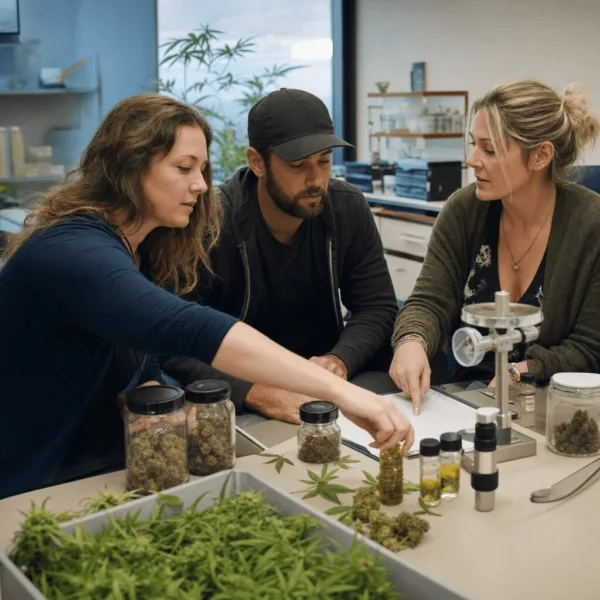
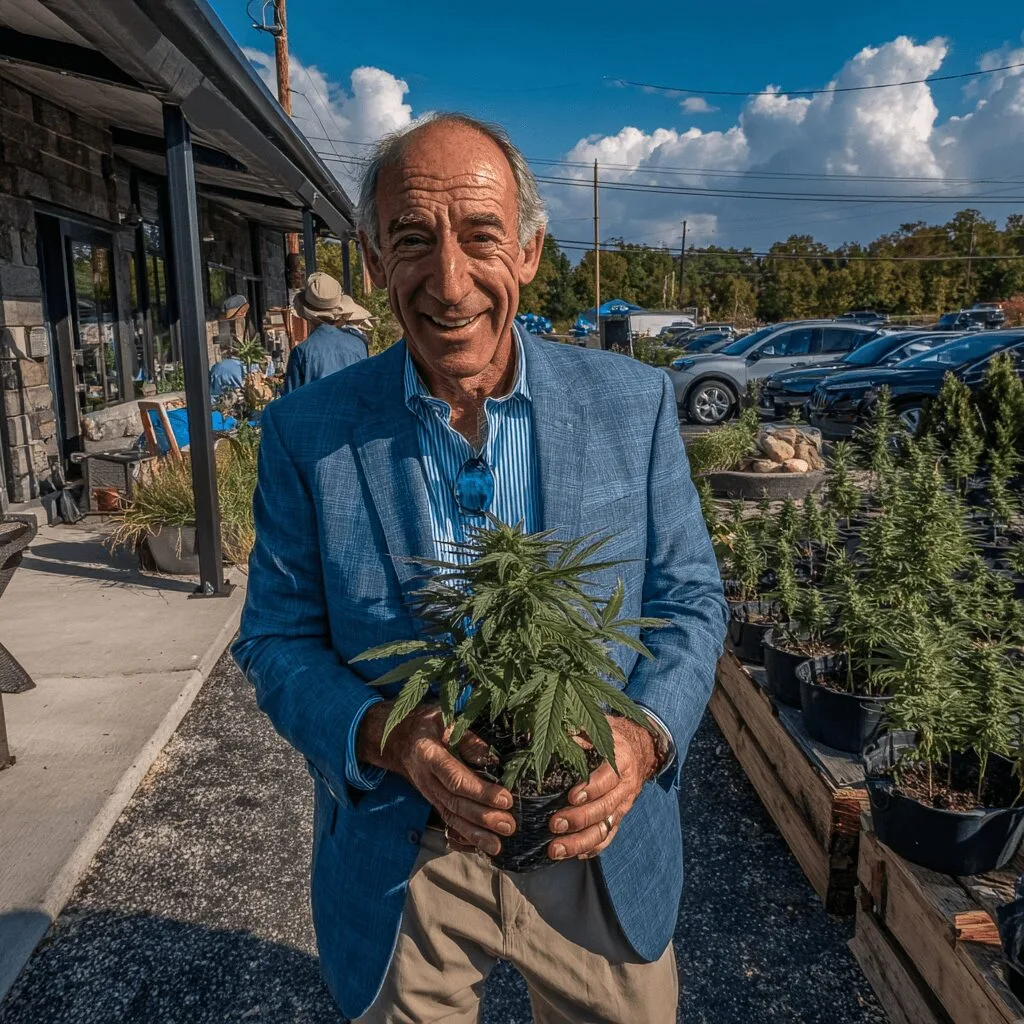
The last twelve months have brought remarkable momentum to Tennessee cannabis regulation. Perhaps the most headline-grabbing move is the formation of the Tennessee Board on Cannabis Regulation. This board aims to unify various state and private stakeholders, coordinating research and crafting recommendations for future policy. At a recent launch event highlighted by Baker Donelson, board chair Bruce C. Doeg emphasized a unique ‘Tennessee First’ mindset. The state’s approach is billed as collaborative, balancing economic growth with patient protection and public safety. Notably, several prominent businesses, legal professionals, and health advocates now serve on advisory panels. They’re tasked with reviewing existing medical cannabis pilot programs and even considering incremental decriminalization measures.
Recent legal filings show the state is examining models from peers, including Oklahoma’s robust licensing system and Virginia’s phased rollout. These comparative regulatory approaches have been the subject of recent investigations into the costs and risks of marijuana policy in neighboring regions as well. The new board’s first major report, expected this fall, will address research recommendations, patient eligibility criteria, and opportunities for minority-owned businesses. Policymakers are also watching closely as the state launches pilot hemp-for-wellness initiatives under strict new guidance from the Tennessee Department of Agriculture. All together, these developments crystalize a pivotal era for Tennessee cannabis regulation, one that prizes dialogue, inclusivity, and candid acknowledgement of shifting market realities.
Expert Analysis: Why Tennessee Cannabis Regulation Stands Out
From an expert’s standpoint, Tennessee’s intentional, inclusive approach is catching national attention. Bruce C. Doeg’s leadership symbolizes a break from strictly punitive policy toward a more scientific, data-driven landscape. As industry expert Dr. Amanda Reiman recently wrote in Marijuana Moment, “States that engage community leaders, business voices, and patients early often build the most resilient markets.” This rings true in Tennessee, where consensus means more than compromise, it signals investment in innovation. For those interested in how cannabis-related education can support this shift, universities are beginning to offer specialized programs to prepare for regulatory changes, like the latest cannabis education programs empowering future professionals. The board’s frequent consultation with healthcare professionals, small farmers, minority entrepreneurs, and legacy market participants demonstrates respect for the many voices shaping regulation. This gives the Tennessee cannabis regulation process a homegrown, grassroots feel while maintaining professional standards. Moreover, legal experts point out the significance of Tennessee referencing successes and pitfalls in states like Illinois, where social equity licensing and robust compliance frameworks have provided a blueprint. All these efforts help ensure Tennessee’s future rules won’t just check boxes, they’ll genuinely reflect diverse community needs. As one leading analyst put it, “Tennessee’s patient-first philosophy could set a new bar for the Southeast,” a sentiment echoed by multiple industry publications. Collaboration with law enforcement on decriminalization, and plans to fund research for opioid alternatives, further illustrate the state’s commitment to smart, modernized regulation.
Looking Ahead: An Optimistic Future for Tennessee Cannabis Regulation
As the momentum grows, Tennessee’s journey toward robust cannabis regulation feels less like a gamble and more like a well-planned climb. Patient advocates, business pioneers, and policy makers now walk the same path. While challenges remain—like establishing clear boundaries for product safety and addressing historical disparities—each new initiative is a step toward greater transparency and opportunity. According to a recent NORML state update, public support for change is on the rise, signaling readiness for reform.
If Tennessee continues nurturing smart, inclusive policy, the Volunteer State could serve as a Southern beacon for how cannabis can fuel health, industry growth, and community empowerment. So, here’s to a future where Tennessee cannabis regulation isn’t just about rules—it’s about people, progress, and planting seeds for the next big thing.
Originally reported by: bakerdonelson.com

1 Comment
Pingback: High Tide Berlin expansion: Cannabis Retail Revolution Arrives