Attempted Murder Home Invasion: What Really Happened?
Right now, the intersection of cannabis, crime, and evolving laws is a controversy magnet. Recent headlines about a high-profile attempted murder home invasion have sparked national conversations. The drama and impact go beyond the criminal details: they reflect deep social issues, legal ambiguities, and stigma still attached to cannabis presence in homes. In this article, we unpack the facts, explore the criminal justice nuances, trace the real story, and explain what this means for the future—especially if you’re part of the cannabis community or simply believe in fairness and safety.
Understanding the Social & Legal Backdrop of Attempted Murder Home Invasion Cases
The cannabis industry’s continued path toward normalization still collides with dated stigma and shifting legal frameworks, especially when criminal incidents occur. In cases like an attempted murder home invasion, everything from police response to news coverage can be colored by old biases. While recreational cannabis is broadly legal in many states, federal law keeps things complicated (NORML: Cannabis Laws by State). Add the historical criminalization of cannabis to heated incidents, and you get confusion, and sometimes, unfair assumptions. Experts point out that cannabis users, growers, or mere bystanders often face added suspicion after crimes, even when they’re the real victims. The stigma is slowly breaking down thanks to pivotal advocacy (see Leafly: Cannabis Politics) and sweeping legalization trends, but courtroom and public perception still lag behind the evidence and real market growth. For further insight on the impact of legalization debates and how communities are talking openly, check out this fresh community perspective on cannabis legalization discussions.
The Sacramento Incident: Key Developments in a Notorious Attempted Murder Home Invasion
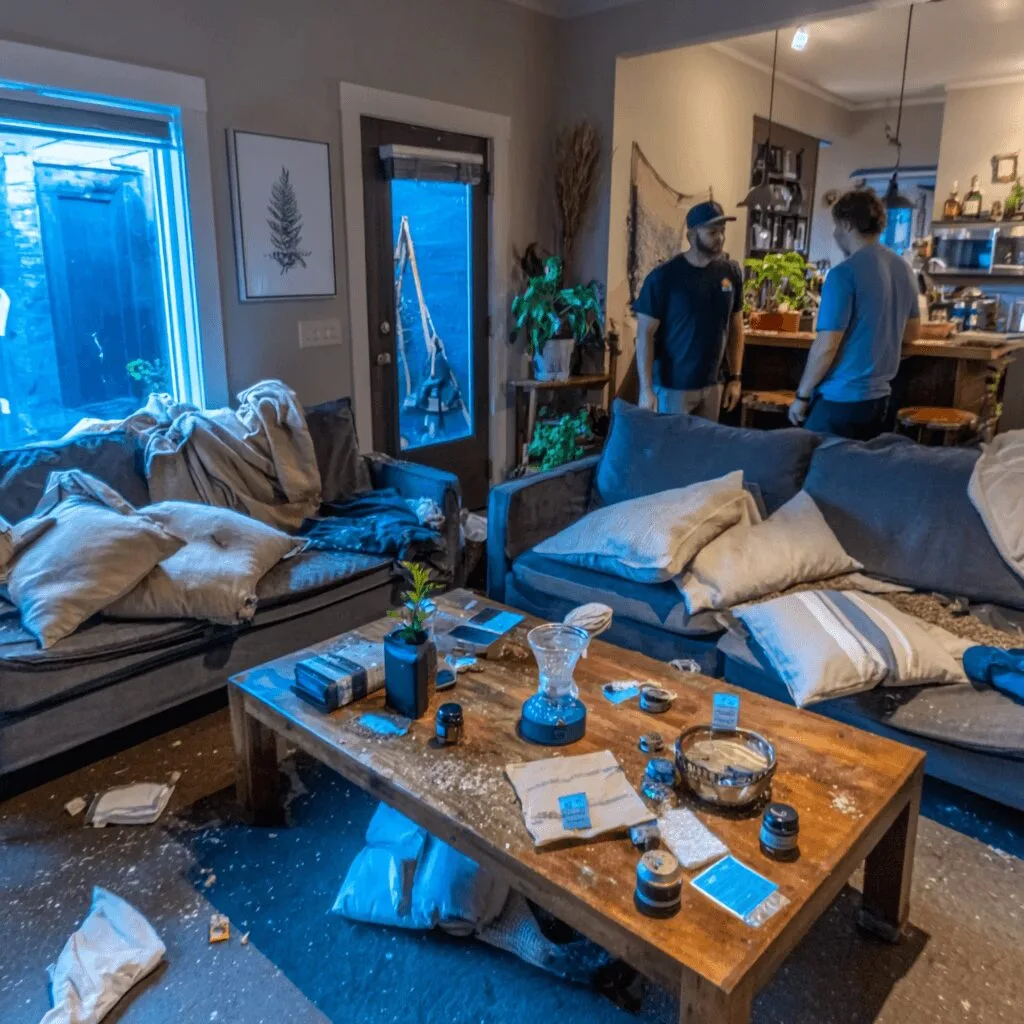
According to official records from the Sacramento County District Attorney, the incident unfolded one night when the defendant forcibly entered a residential home. The setting: an ordinary living room, marijuana accessories in plain sight—a detail that, predictably, colored the narrative for some outlets. As the DA’s report confirms, during the attempted robbery, violent threats escalated to gunfire. The homeowner sustained serious, but not fatal, injuries, a timely police response and evidence recovery led to the suspect’s arrest. The criminal, whose name is withheld for privacy, was charged and convicted on multiple felony counts, including attempted murder and armed robbery. In December 2025, Superior Court handed down a lengthy state prison sentence, emphasizing the severity of the attempted murder home invasion. District Attorney officials highlighted the swift justice and closure for victims, while also noting ongoing efforts to address neighborhood safety and recidivism. The narrative around seizures and criminal enforcement in recent years is shaped by large and dramatic events, reminiscent of major cannabis busts that shock both industry and locals alike.
Expert Analysis: Context, Cannabis Stigma, & Lessons from the Attempted Murder Home Invasion
Let’s cut through the sensationalism. It’s easy for some to see any home invasion involving cannabis as a sign the plant itself is responsible for violence. The reality: home invasions are sadly not unique to cannabis homes. According to Drug Policy Alliance, these crimes usually target perceived valuables, legal or not. Cannabis’s semi-legal state and lingering cash-based business models can sometimes make homes targets, but that’s a policy failure, not a moral flaw. As noted in Leafly’s expert series on cannabis and crime stigma, “Blaming cannabis for violent crime is like blaming your skateboard for a broken window, it ignores deeper social and economic causes,” says journalist Bruce Barcott. Community education, normalized banking, and consistent regulation will lower risks and end outdated fears. The key lesson: safety, not stigma, should drive public and legal responses to attempted murder home invasion events. And as the industry evolves, understanding health and safety angles, like what current science and society are saying about secondhand marijuana smoke, is also crucial for dispelling unfounded fears and focusing on facts.
Moving Forward: Safer, Smarter, and United Against Stigma
Every painful story, like this attempted murder home invasion, is a chance for the cannabis community to lead on safety, education, and debunking old myths. While crime headlines spark worry, broader data shows cannabis legalization improves community outcomes and doesn’t increase violent crime—a point supported by The Brookings Institution’s analysis on Colorado’s early legalization impacts. As policy, enforcement, and social attitudes mature, cannabis homes should no longer be painted with a criminal brush. Instead, let’s push for banking reform, equitable safety initiatives, and a rational, united response. The future looks bright—and safer—if we keep the conversation honest, informed, and rooted in fairness.
Originally reported by: sacda.org