





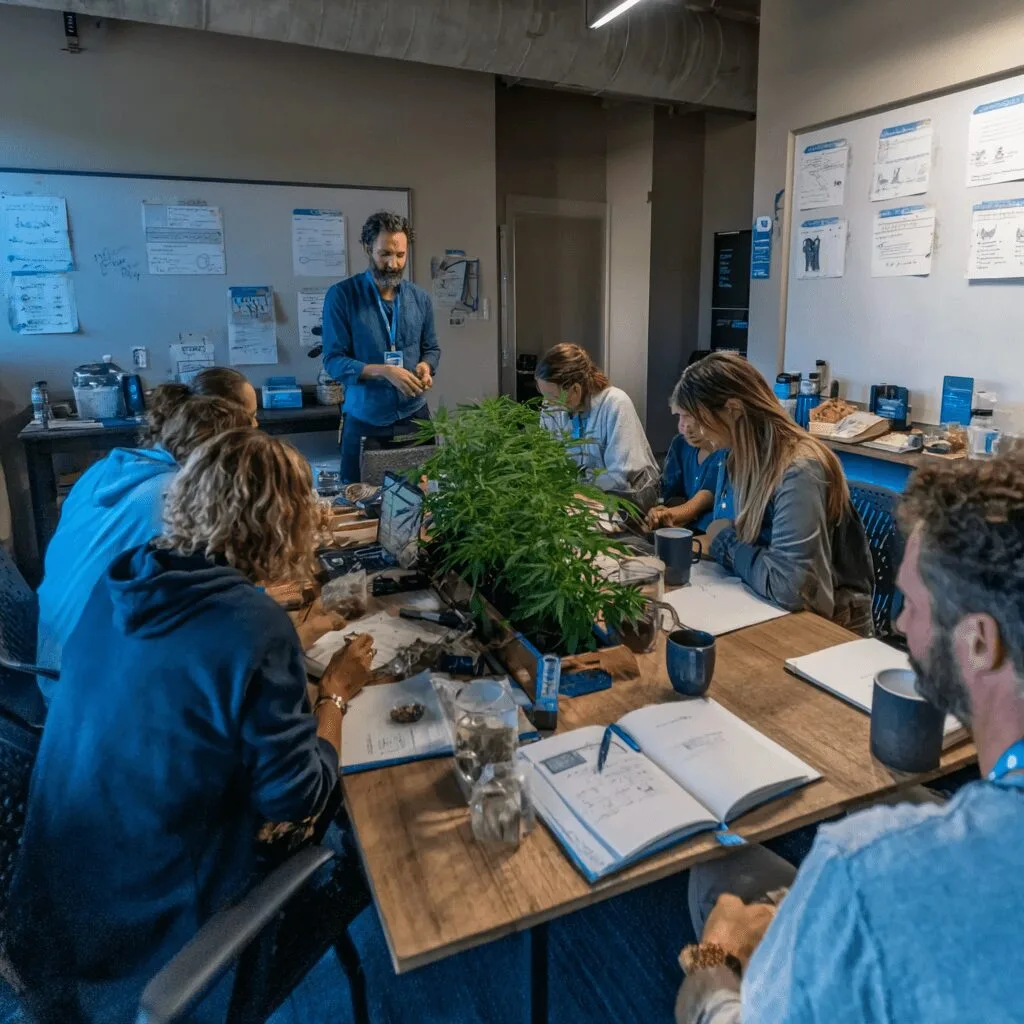
Unlock Medical Cannabis Education Competencies: Essential Skills Revealed
As conversations around cannabis legalization and clinical use accelerate, mastering medical cannabis education competencies is more urgent than ever. Healthcare workers, patients, and educators are facing a rapidly evolving landscape, with fresh research, shifting laws, and growing patient interest. In this moment, the core skills required to approach medical cannabis safely, ethically, and knowledgeably are finally coming into mainstream focus. Let’s break down what’s new, why it matters, and where the future is heading.
Background: The Surge of Medical Cannabis Education Competencies
The demand for medical cannabis education competencies is largely shaped by seismic shifts in policy and culture. Over 30 U.S. states now allow some form of medical cannabis, and the global market is projected by Grand View Research to hit billions in value by 2027. Regulatory agencies such as the FDA have slowly warmed to research, but barriers remain, including federal restrictions and mixed state laws. Meanwhile, public support is hitting all-time highs, according to 2023 polls by Gallup, with over 68% of Americans favoring legalization in some form. Medical professionals are caught between mounting patient demand and rapidly shifting regulatory hurdles. For instance, recent moves like the game-changing legalization plan in Virginia highlight how quickly the landscape is evolving. As the stigma fades and research momentum builds, it’s clearer than ever, robust medical cannabis education competencies are essential for anyone hoping to practice, teach, or advise in this dynamic space.
Key Developments: Defining Essential Competencies in Cannabis Care
The spotlight is now on a new set of guidelines developed to steer medical cannabis education competencies for healthcare professionals. As reported by Oncology Nurse Advisor, an expert panel recently unveiled a comprehensive blueprint outlining what healthcare workers should know and be able to do. This initiative, spearheaded by national cannabis medical experts and educators, provides skills frameworks covering clinical application, legal awareness, ethical best-practices, and patient safety. There have also been notable updates across the industry, as discussed in recent sector news reports that reflect the changing regulatory and educational requirements.
- Clinical Knowledge: Understanding pharmacology, dosing, contraindications, and side effects of medical cannabis.
- Legal & Ethical Context: Clarifying differing federal, state, and local laws, tackling ethical considerations.
- Patient Education: Communicating benefits, risks, and responsible use for various populations.
- Research Literacy: Staying current with evolving scientific evidence, trial results, and best practices.
Published in 2024, this roadmap comes as hospitals, clinical practices, and nursing organizations look to incorporate robust medical cannabis education competencies into training and continuing education efforts. The creators argue that clear skills standards are vital for patient safety and practitioner confidence, avoiding incomplete, ad-hoc, or outdated cannabis guidance in clinical settings. Nurse leaders in states from California to Illinois have already begun integrating these education competencies into staff orientations, according to AMA insights published this year.
Expert Insights: Why Medical Cannabis Education Competencies Matter
Let’s cut through the haze, medical cannabis education competencies aren’t just bureaucratic hoop-jumping, they are a game-changer for real-world care. Industry veterans emphasize the growing knowledge gap as legalization becomes more complex. According to Dr. Eloise Theisen, former president of the American Cannabis Nurses Association, “It’s our ethical duty to ensure cannabis is discussed with evidence-based information and not anecdote. Missteps can put patients at risk or lead to legal headaches for clinicians.” As cannabis use enters mainstream medicine, care teams must juggle evolving science, pharma interactions, and rapidly-changing regulations. Staying up-to-date also means engaging with the latest research, including new understandings such as breakthroughs in cannabis and brain-related research that shed light on how cannabis interacts with neurological conditions. Experienced advocates agree that skillful communication and patient trust are as important as pharmacology. As Cannabis Business Times highlights, organizations investing in these competencies may lower liability risk and foster credibility with patients. Ultimately, mastering medical cannabis education competencies is essential in offering the best care in today’s evolving wellness landscape.
The Road Ahead: Competencies Lighting the Cannabis Trail
The unveiling of standardized medical cannabis education competencies is a pivotal step towards professionalizing cannabis care and boosting public confidence. There’s progress, but the journey continues. More medical schools, hospitals, and continuing-education programs are integrating these skillsets every year. Patients benefit from safer guidance, and practitioners gain reassurance navigating legal and ethical complexities.
With state and federal discussions ongoing, regulatory clarity is on the horizon. According to NORML, expanding education is one of the most direct ways to win trust across communities, foster responsible use, and close the gap between dusty stigma and modern medicine. If we keep the conversation open and competency-based, the green revolution in healthcare will keep growing strong—one well-informed practitioner at a time.
Originally reported by: oncologynurseadvisor.com


1 Comment
Pingback: Cannabis Market Solutions: The Fix Vape Shops Need Now