


Cannabis Addiction Increase: Why It’s Surging Now
Let’s get real—cannabis is front and center these days, and not just on Instagram feeds and dispensary menus. Recent data and headlines highlight a cannabis addiction increase, prompting some worried faces to pop up amid the clouds of chill. Why the sudden focus? Rapid market growth, shifting regulations, and evolving social perceptions all play a role. Today, we’ll break down what’s happening, why it matters, and what both newcomers and seasoned users need to know as cannabis use becomes more mainstream. Buckle up for honest stats, expert takes, and a balanced look at the cannabis scene right now.
The Changing Landscape: Regulation, Stigma, and the Roots of Cannabis Addiction Increase
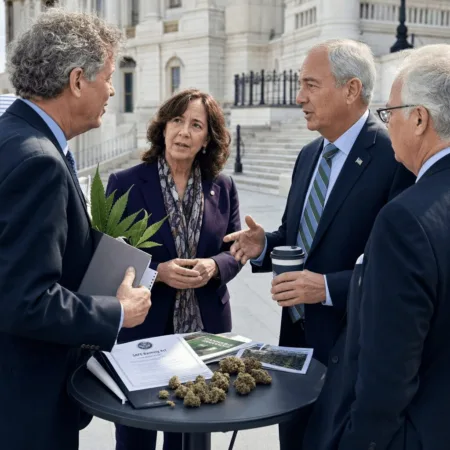
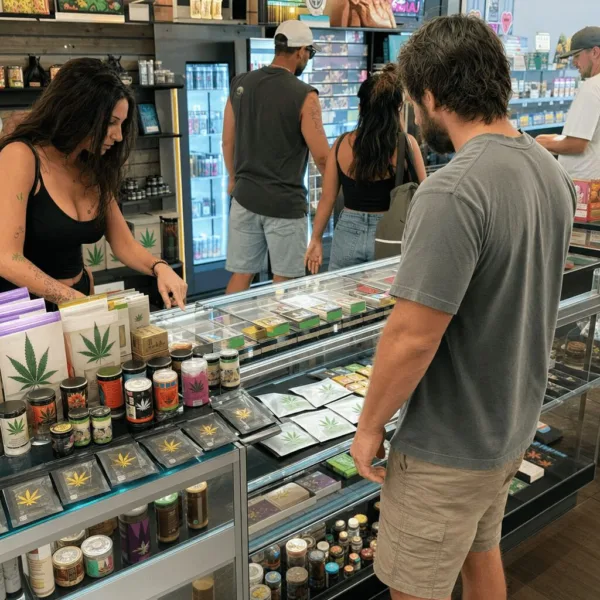
The current spotlight on cannabis addiction increase owes a lot to how the legal and social tides have turned. Over the last decade, major markets like California, Colorado, and Illinois (Leafly) have shifted from total prohibition to legal sales. The result? Cannabis is more accessible than ever, and public perception has swung from old-school stigma to something closer to craft beer status. While many celebrate these wins, America’s evolving regulatory patchwork, including tighter packaging, advertising compliance, and age restrictions as noted by NORML, clearly influence consumption trends. Socially, normalization means more people are open about their usage—whether to unwind after a long day or ease medical symptoms. But whenever demand surges and barriers drop, public health experts and policymakers start monitoring for increased rates of dependency and risky consumption patterns. According to the CDC, cannabis use disorder rates have inched up in recent years, especially with more potent products available on shelves. At the same time, debates rage on about what really constitutes “addiction” in the context of cannabis, given its stark differences from substances like opioids or alcohol. As the cannabis industry continues to evolve, financial innovation is emerging as a key driver of growth and change, which mirrors trends noted in recent shifts in cannabis finance innovation and growth in the sector.
Recent News: What’s Sparking the Cannabis Addiction Increase Conversation?
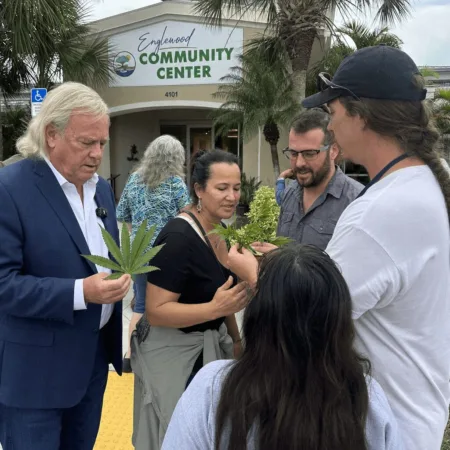
If you caught the latest segment from News 8000, you know this isn’t just legacy stoner panic, there’s new data in the spotlight. Reports from local addiction counselors point to a sharp uptick in patients seeking help for marijuana-related issues over the past year. In particular, treatment centers in the Midwest (including Wisconsin and Minnesota) say they’re documenting more cases of daily or near-daily use. This pattern coincides with the nationwide explosion of legal dispensaries, a wider menu of high-potency products (think concentrates and edibles), and pandemic-era stressors fueling at-home consumption. As mentioned by News 8000’s coverage, experts from SAMHSA note specific increases among young adults and people using cannabis to self-medicate for anxiety or mood swings. Healthcare providers highlight not only the frequency but also the psychological components, like dependency, withdrawal symptoms, and changes in day-to-day functioning, as red flags behind the cannabis addiction increase banner that’s grabbing headlines. Recent policy debates in places such as Minnesota have set bold new precedents for THC regulations, influencing both access and public discourse. Importantly, local data mirrors national research that suggests the true prevalence of cannabis use disorder might be larger than previously recognized, especially as stigma shrinks and reporting improves. While sensational headlines risk stoking old fears, the numbers reflect a changing reality as legalization matures and new consumer segments enter the scene.
Expert Analysis: What’s Really Behind the Cannabis Addiction Increase?
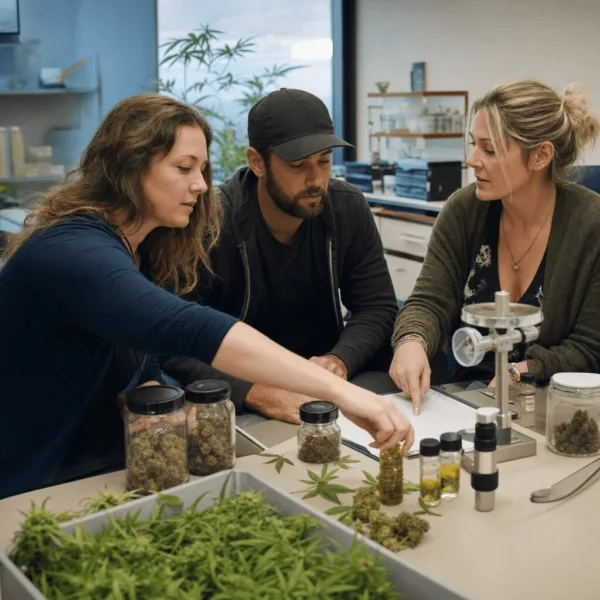
So what does all this mean beyond shock value? Chill for a second, let’s zoom out. Not all analysts agree that a cannabis addiction increase equals a full-blown crisis. According to Dr. Peter Grinspoon, a respected voice at Harvard Medical School, “Cannabis use disorder is real, but it often gets hyped up relative to other substance issues. The vast majority of users will never experience significant harm if they understand dosing, potency, and set boundaries.” This aligns with 2023 research from the CDC, which clarifies that while use disorder rates may be creeping up, severe health impacts remain notably less common than with alcohol, tobacco, or prescription drugs. Industry insiders also point to the critical role education plays: many who report dependency symptoms are surprised by today’s higher THC levels or underestimate edibles’ delayed effects. Legalization, paradoxically, creates new opportunities for public health campaigns and honest, science-backed information, unlike the old days of “just say no” messaging. At the same time, key trade associations and health professionals stress a nuanced distinction between problematic use and casual, responsible consumption. There’s also the influence of new regulations regarding THC-infused drinks, as outlined by federal discussions that could change everything about the market landscape. As the plant’s profile broadens, so does the need for balanced, data-driven dialogue. All told, yes, cannabis addiction increase has real implications for certain demographics, but the sky isn’t falling. We just need to get a little smarter, not scared.
Looking Forward: A Smarter, Healthier Cannabis Culture
Despite worries about a cannabis addiction increase, the overall mood in the industry—and among many users—is one of cautious optimism. Legalization truly has supercharged research, bringing more transparency and consumer protections than ever before. Organizations like the National Organization for the Reform of Marijuana Laws (NORML) argue that better regulation, not prohibition, is the answer to responsible use. As stigma recedes, more people are honest about their struggles and successes, fueling a climate focused on real solutions—like access to evidence-based treatment and smart public health messaging. The next chapter for cannabis? Expect more refined products, targeted education, and nuanced regulations shaped by growing communities of advocates and experts. Bottom line: with the right tools and open dialogue, the cannabis industry can help address the risks while boosting the benefits for all. If you’re tracking cannabis addiction increase trends, keep your eyes open—but don’t lose hope. The story’s just getting started, and a healthier, more informed future is totally within reach.
Originally reported by: news8000.com