

Federal ban THC-infused drinks: Is the market at risk?
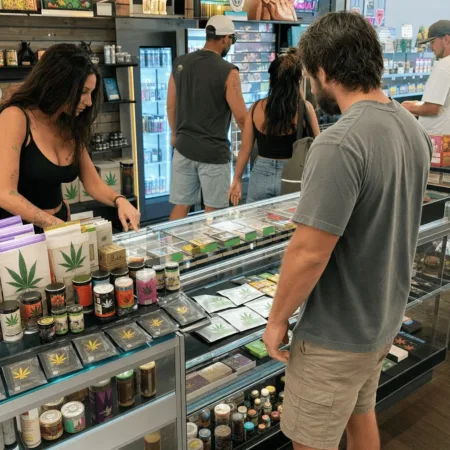
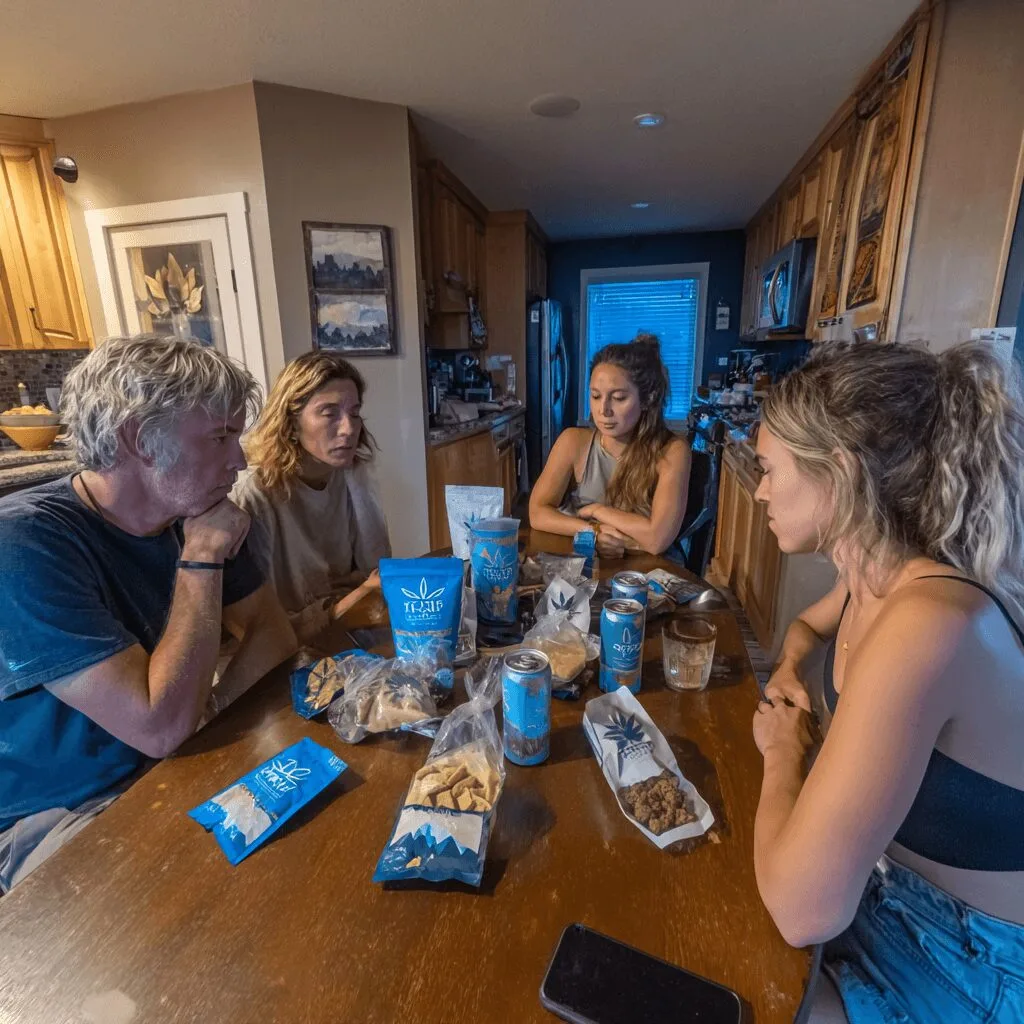
Everybody’s talking about the potential federal ban THC-infused drinks. Whether you sip on cannabis sodas or invest in infused snack companies, this topic hits home. With the government signaling tighter controls and businesses already feeling anxious, the future of edible cannabis beverages is uncertain. We’re seeing powerful trends, growing consumer demand, and a showdown at the intersection of cannabis culture and regulatory forces. Let’s break down why this shakeup matters, what’s brewing behind the headlines, and how it could impact everyone from small startups to multinational beverage giants.
How Did We Get Here? Understanding the Regulatory and Social Landscape
The rise of THC-infused drinks didn’t happen overnight. Social acceptance of cannabis skyrocketed after Canada’s federal legalization in 2018 (Government of Canada) and state-by-state legalization rolled across the U.S. Since then, entrepreneurs and big beverage brands have scrambled to throw their hats in the ring, targeting a massive, and thirsty, legal market. However, the regulatory patchwork remains complicated. In the United States, the Food and Drug Administration (FDA) still prohibits adding THC or CBD to foods and drinks sold across state lines. Individual states issue their own licenses, but federal law remains murky at best. Meanwhile, both public health agencies and consumer advocates are watching closely as companies test the edges of the law, resulting in an environment where innovation outpaces regulation. For a cultural look at similar policy shocks, you might consider how a federal ban on THC edibles is shaking up cannabis culture. That’s why news about a looming federal ban THC-infused drinks is sending shockwaves through the market.
What’s Happened? Key Developments and Market Shakeups
According to recent investigative coverage, regulatory authorities are signaling a crackdown on THC-infused beverages such as seltzers, sodas, and pre-mixed mocktails. In Canada, Health Canada issued warnings this spring to major brands like Collective Project and Truss Beverage Co. In the U.S., beverage giants and smaller players alike, think Keef Brands, Cann, and Pabst Labs, face increasingly aggressive scrutiny by federal agencies. Some American companies have already received cease-and-desist letters or temporary sales bans pending review of label claims and interstate sales violations. Illinois and Minnesota, for example, have begun tightening their distribution rules, echoing broader legislative actions—Minnesota’s approach to THC hemp regulations has set a distinct example for other states. Most notably, the FDA has proposed a review process for THC-infused products, emphasizing public safety concerns, explicit labeling, and childproof packaging. Industry insiders fear a blanket federal ban THC-infused drinks could devastate business models overnight, removing products from shelves and stranding investments.
- Spring 2024: Health Canada issues compliance notices to top brands (per Health Canada).
- March–June 2024: U.S. states begin to tighten rules, referencing federal guidance (FDA).
- Ongoing: Beverage companies appeal to industry groups, publicizing their case through industry publications and business roundtables (Cannabis Business Times).
As the federal ban THC-infused drinks discussion heats up, the stakes for consumers, investors, and workers rise along with it, echoing what’s seen when local cannabis business regulations are redefined, such as those highlighted in New Jersey’s recent dispensary application shakeups.
Cannabis Industry Analysis and Expert Takes
Let’s be real, these developments have the entire cannabis beverage sector on the edge of their seats. When large federal agencies plug their ears to market data and consumer sentiment, innovation gets left in limbo. As industry experts at Benzinga Cannabis observe, "The drinks category has shown double-digit market growth for two years straight, driven largely by millennials and wellness-savvy consumers looking for alcohol alternatives." That demand can’t just be wished away. Regulatory knee-jerks tend to hurt small businesses the most, stifling fresh ideas and job creation, while the illicit markets, unburdened by any real safety standards, fill the gap.
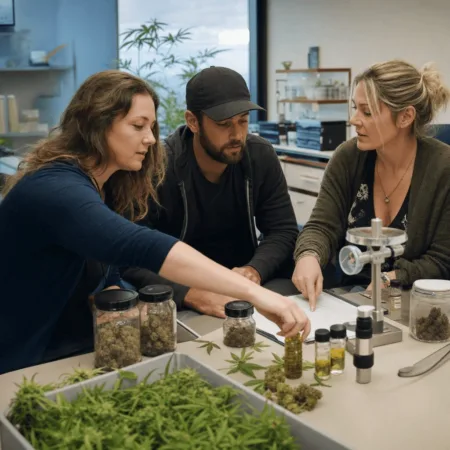
Many analysts argue that a federal ban THC-infused drinks could backfire, steering customers away from regulated retail and limiting options for safe, dosed, clearly labeled products. They point out that with smart regulation, infused beverages can offer a responsible, measured option compared to homemade or black-market alternatives. As industry watcher MJBizDaily puts it, "Consumer safety and transparency increase under intelligent regulations, prohibition sets us back." For those following the latest in cannabis wellness innovation, a lot can be learned from research happening at the intersection of psychedelics and longevity, like how psilocybin aligns with new approaches in cannabis wellness. This is more than hype, it’s grounded in both public health and economic logic.
What’s Next? Cannabis Drinks, Public Perception, and the Road Ahead
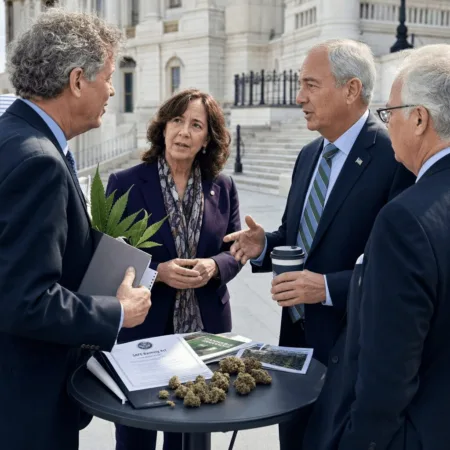
No doubt, the talk of a federal ban THC-infused drinks has plenty of folks worried. But let’s not lose sight of the big picture. Legal cannabis markets in North America keep expanding as voters and lawmakers realize the benefits of sensible, evidence-based controls. Industry groups are stepping up lobbying efforts, offering clear proposals to improve compliance, labeling, and consumer education. It’s likely we’ll see further negotiations—maybe even a compromise—before anything as drastic as a total federal ban. Meanwhile, consumers remain thirsty for choice and safer options. As new research emerges and public opinion continues to soften, it’s hard to see the federal ban THC-infused drinks movement stopping the industry’s forward march. As Leafly Industry News regularly reports, more states are pushing for thoughtful reforms, and savvy investors aren’t shying away. If history—and a few cycles of prohibition—taught us anything, it’s that well-regulated cannabis markets are the future.
Originally reported by: coastreporter.net