


Major headlines about narcotics distribution arrests continue to rock New Jersey this month, reminding us of the legal gray areas and shifting ground beneath the cannabis industry. If you’re paying attention—as every serious cannabis advocate should—you’ll notice these stories have major influence on public opinion, lawmaking, and the everyday operation of both licensed cannabis businesses and legacy market players. These latest narcotics distribution arrests aren’t just about the people involved; they’re reverberating through the wider legalization debate, touching on everything from public safety perceptions to the future of equitable access. Let’s dive in, break down the details, and look at what’s really at stake for cannabis culture and commerce.
Understanding the Backdrop: Regulation, Enforcement, and Social Impacts
The ongoing tension around narcotics distribution arrests sits right at the crossroads of state cannabis reforms, federal drug laws, and evolving market forces. New Jersey, in particular, represents one of the most visible battlegrounds. Recreational cannabis sales went legal statewide in 2022, but legacy markets and old-school enforcement practices persist (NORML). Law enforcement agencies are still navigating the fine line between criminal narcotics and licensed product distribution, especially as illicit and legal operators overlap. Concerns over health risks related to cannabis purchasing environments and product sources continue to arise as highlighted in recent discussions of retail shop safety and consumer protection. Regulators, like the New Jersey Cannabis Regulatory Commission, aim to foster a safe, thriving industry, yet patchwork county-level enforcement often results in high-profile narcotics distribution arrests that send shockwaves through both the legacy and legal sides of the space. Consumers and communities remain wary, caught between evolving attitudes on legalization and long-standing stigma attached to cannabis-related criminal charges. It’s this complex mix of rapid change and stubborn status quos that makes each new headline resonate far beyond just the courtroom.
The Real Story: Key Developments & Issues from Recent Arrests
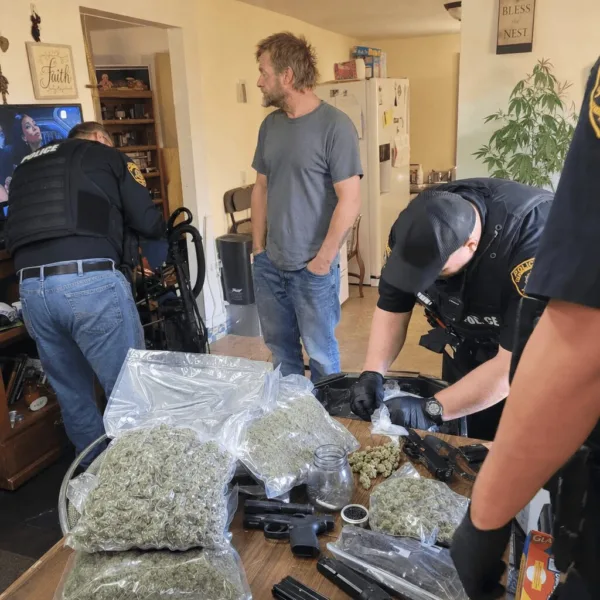
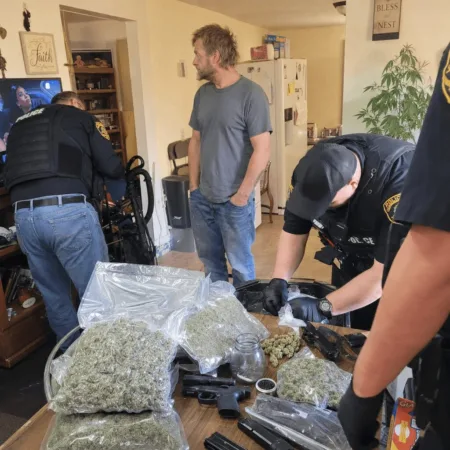
On June 11, 2024, the Burlington County Prosecutor’s Office announced that six individuals were charged following a broad narcotics investigation spanning four counties in New Jersey (Burlington County Prosecutor’s Office). According to publicly released charging documents and the BCPO official summary, suspects allegedly ran a distribution ring involving significant quantities of cannabis and related paraphernalia. Instances like these echo concerns in other states—such as the ongoing debate around municipal dispensary access and community impacts noted recently as Minnesota towns open their own dispensaries. The operation involved monitoring over several weeks, with law enforcement collaborating at municipal, county, and state levels. Seized evidence included large bags of cannabis flower, rolling materials, and suspected product intended for resale, a classic example of how narcotics distribution arrests are enforced even as state laws shift. The accused face a range of felony distribution charges, with the DA citing both the volume involved and the multi-county scope. Observers note that, while cannabis consumption is legal for adults in the state, unlicensed supply chains remain a major enforcement priority. The case is drawing attention for its scale and for what it suggests about law enforcement’s continued focus on traditional trafficking rather than community-based harm reduction, a trend scrutinized since the 2022 legalization rollout.
Bigger Picture: Expert Views and Industry Counterpoints
The most recent narcotics distribution arrests highlight ongoing industry challenges, yet they also spotlight uncomfortable contradictions. Cannabis industry insiders and seasoned advocates question why resources are being spent policing legacy operators while legal markets are still finding their feet. As industry expert Steve DeAngelo asserted to High Times: “You can’t have a thriving legal market if you’re criminalizing the culture that built it.” The evolving situation is reminiscent of ballot-driven cannabis reforms that generate both opportunity and uncertainty such as the debates stirred by recent ballot signature drives in Massachusetts. Advocates argue that aggressive enforcement, especially in the wake of legalization, risks recreating the problems of prohibition: perpetuating inequality and driving small operators underground. Many entrepreneurs stress that failing to create accessible licensing pathways or affordable compliance means these arrests do little to move the industry forward. On the other hand, public officials and some industry analysts point out that robust enforcement is intended to keep consumers safe and prevent illicit sales from undermining regulated markets. But the deeper issue remains: are these narcotics distribution arrests protecting people, or just maintaining a cycle of punitive law enforcement? A survey by MJBizDaily shows that legacy market supply still significantly outpaces legal dispensary access in many New Jersey communities, fueling ongoing conflict between advocacy and enforcement.
Looking Forward: Solutions and a Brighter Cannabis Future
Despite ongoing narcotics distribution arrests, the direction of cannabis reform remains unmistakable: wider acceptance, smarter regulations, and increased transparency are reshaping the industry’s future. Progressive states are spending more effort on social equity, pardon programs for minor offenses, and pathways from the underground to the mainstream, often informed by research and policy organizations like Drug Policy Alliance. For New Jersey and similar markets, the real challenge will be aligning enforcement with today’s values: focusing on safety, harm reduction, and opportunities for everyone in the cannabis community. As new frameworks emerge and public support for sensible laws keeps rising, it’s an exciting—if sometimes bumpy—ride toward a more just and thriving cannabis industry. The stories behind narcotics distribution arrests shed light not just on what’s still broken, but on what’s possible when we blend advocacy, industry know-how, and smart policy for a more inclusive future.
Originally reported by: bcpo.net
1 Comment
Pingback: New Jersey psilocybin therapy legalization just approved—learn what’s next!