



Revealing Generation Squalor Marijuana: Shocking Truths Exposed
Right now, the conversation around generation squalor marijuana is more relevant than ever. Cannabis is moving out of the shadows and onto the main stage, shaking up generational stereotypes across the country. With legalization rolling across states and mainstream culture finally catching up, new stories—often raw and real—are emerging. The dialogue has never been more urgent, especially in places like Ukiah, California, where shifting social tides and economic realities shape young adults’ choices and lifestyles. In this breakdown, we’ll explore how these changes fuel both controversy and innovation, what’s really going on behind the headlines, and why the “generation squalor marijuana” debate has become such an electrifying flashpoint.
Generation Squalor Marijuana, The Regulatory and Social Backdrop
To unpack the story of generation squalor marijuana, we need to understand how legal and market dynamics play out on the ground. California’s cannabis regulations are famously complex, blending progressive intent with real-world headaches. Since statewide legalization in 2016 (California Department of Cannabis Control), local control has generated a patchwork of rules. Cities like Ukiah find themselves at the intersection of generational change and established community values. Economic issues, housing shortages, and shifting attitudes about cannabis converge. Reports from Leafly and MJBizDaily confirm that younger adults face parallel pressures, including those seen in the shifting landscape of legal cannabis markets such as in Washington State, with sky-high living costs, evolving job markets, and a still-stigmatized, yet increasingly ubiquitous, cannabis scene. These forces shape how a new wave navigates daily life, with marijuana culture reflecting both rebellion and survival amidst squalor.
Key Events and Facts Exposing Generation Squalor Marijuana
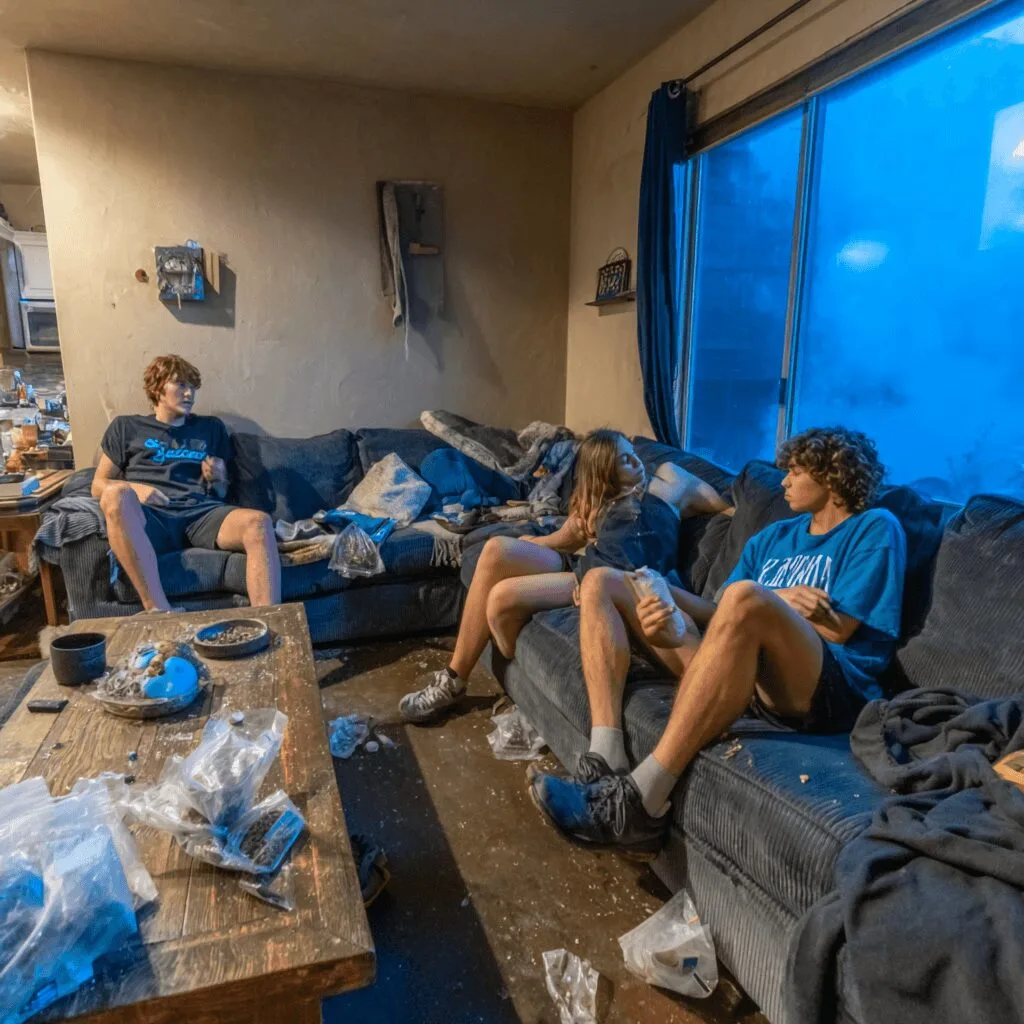
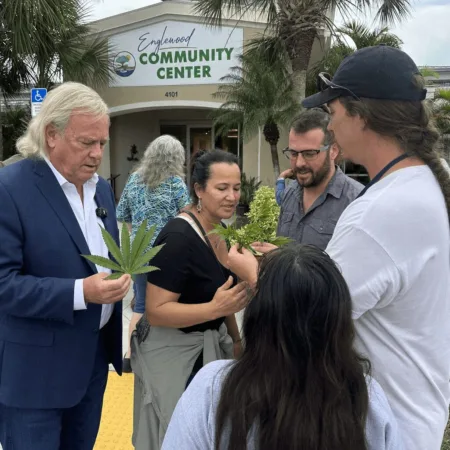
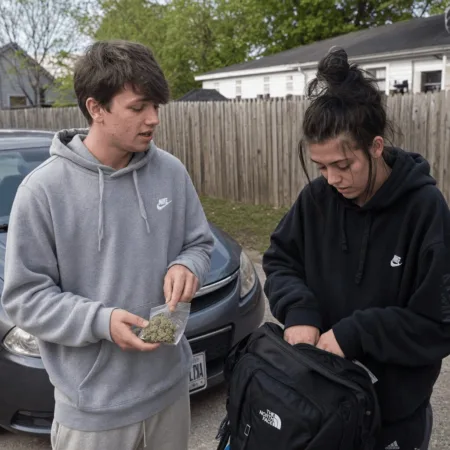
The original Ukiah Daily Journal article puts a magnifying glass to real-life conditions experienced by young adults in Mendocino County. The candid coverage shows living rooms marked by faded décor and the aroma of freshly rolled joints—no Instagram filters required. Open bags of cannabis, glass pipes, and a palpable haze bring the “generation squalor marijuana” issue into sharp focus. In rural communities like Mendocino, cannabis farming has reshaped local identity as well as sparked discussions about thankfulness and community connection. Social gathering spots turn into makeshift lounges despite economic struggle. The article documents how relaxed attitudes clash with ongoing debates about legal limits, nuisance complaints, and generational friction in smaller California towns. Community advocates acknowledge that cannabis, once considered taboo, has become just another backdrop to lives defined by economic instability and shifting ideals. All this unfolds against a local backdrop of persistently high rent, scant job options, and the normalization of marijuana as both a social glue and a coping tool.
Expert Insights, Cannabis Culture, Social Reality, and the Path Forward
Through the lens of generation squalor marijuana, credible voices weigh in on the broader cultural movement. Industry experts from Leafly note, “What we’re seeing isn’t just about cannabis use, it’s a reflection of how generations cope with economic stress and changing social norms.” Leading sociologists and market analysts highlight the importance of understanding cannabis as both a social phenomenon and a legitimate industry. Recent workplace discussions now also factor in health risks such as asthma among cannabis employees, emphasizing the need for safety and health education in the rapidly changing industry. The normalization of marijuana also escalates the need for robust policy backed by public health research, according to NORML. Rather than ignoring squalor or stigmatizing users, advocates push for better access to safe spaces, education, and resources. As one MJBizDaily commentator puts it, “Cannabis culture is at a crossroads, the way we frame these stories will shape acceptance and industry standards for years to come.”
The Road Ahead: Hope, Growth, and Changing Perceptions
The picture of generation squalor marijuana offers far more than a snapshot of struggle—it’s a signpost for progress. Social acceptance of cannabis is steadily rising, as shown in recent Gallup polls. Regulatory approaches are evolving, with localities starting to address inequities and foster community-based solutions. Industry reports project robust growth and promising reforms, even as housing and economic challenges persist. As California and other states fine-tune their cannabis laws, the stories coming out of living rooms in Ukiah are a potent reminder that every generation faces its own myths, messes, and milestones. The “generation squalor marijuana” narrative is ultimately one of resilience, adaptation, and hope—a true mark of change for cannabis culture and beyond.
Originally reported by: ukiahdailyjournal.com
2 Comments
Pingback: DUI Cannabis Crash: Shocking Twist in Underwear-Hiding Case
Pingback: Shocking Truth: Puppies Abandoned Dog Park Exposes Heartbreak