


New Orleans armed robbery: Shocking crime in CBD
Dive into the latest chapter shaking New Orleans: the recent armed robbery in the city’s buzzing Central Business District. The news made waves after reports surfaced of four minors involved in an alarming altercation, blending local crime, public safety, and even hints of cannabis on the scene. Now, everyone from city leaders to grassroots advocates is asking—what does this New Orleans armed robbery actually signal for our neighborhoods and for the growing cannabis discussion nationwide?
The Social and Legal Backdrop Shaping the New Orleans Armed Robbery
Let’s keep it real, New Orleans isn’t new to gritty headlines, but this case stirs up complex social conversations. Louisiana’s cannabis landscape remains a unique blend, balancing cautious medical legalization (see LSU AgCenter) and deeply rooted prohibition attitudes. While NORML reports some progress, like medical cannabis reforms and discussion of decriminalization, criminal implications for youth remain harsh. Issues around drug policy and enforcement in schools and youth spaces have also been in the spotlight recently, as seen in a recent story highlighting school zone drug and weapons busts. Add to this the economic inequalities and historic distrust between communities and law enforcement, and we see a potent recipe for incidents like the New Orleans armed robbery to cut deeper. Recent crime upticks in CBD areas have kept city officials on their toes, urging reforms but struggling with real-world impact. With broader debates on youth crime, policing approaches, and cannabis policy colliding here, it’s no surprise that this story has struck such a chord.
Key Developments and Unfolding Issues in the New Orleans Armed Robbery
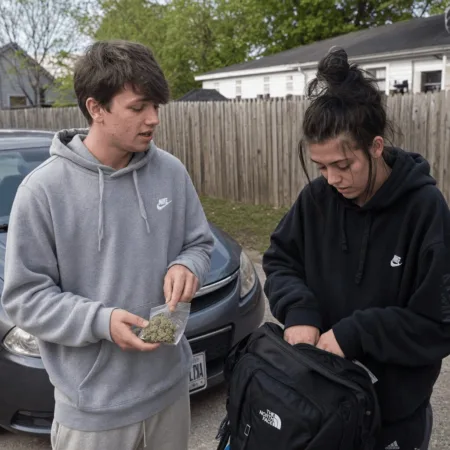
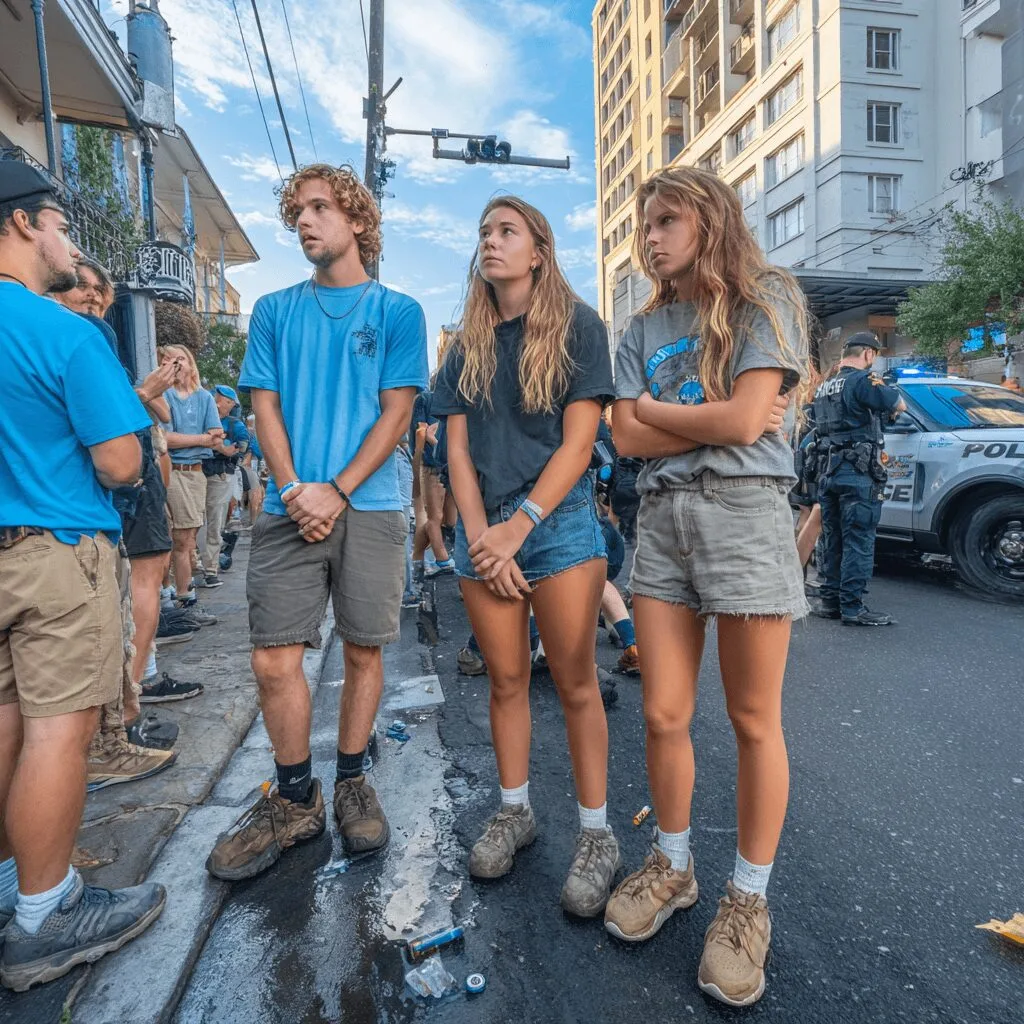
According to WDSU News, the New Orleans Police Department was called to the Central Business District late afternoon after reports surfaced of an armed robbery involving four minors. Bystanders reported anxious teens, police cars with flashing lights, and a flurry of concern among passersby and local workers. The investigation deepened when officers noted cannabis paraphernalia among the personal items at the scene, subtle, but significant. The situation highlights several issues, lingering stigma against cannabis, the complicated relationship youth have with the plant, and the serious legal consequences that often follow even minor infractions. Police and city officials are under scrutiny, with local advocacy groups already calling for “proportionate consequences, intervention, and expanded restorative justice,” quoting the New Orleans Community Action Coalition. The event occurred on a busy CBD street, amplifying the urgency around youth safety, urban crime prevention, and updated drug-paraphernalia protocols for juveniles. The case remains open, with NOPD working closely with juvenile services to determine next steps, all while local media, including NOLA.com, fuel the citywide conversation around public safety and cannabis visibility in the community. These developments echo concerns raised in other states, as seen when legal uncertainty leads to unexpected twists, like during Florida’s marijuana petition lawsuit that impacted legalization hopes elsewhere.
Expert Analysis and Industry Insights: Cannabis, Crime, and Context
Peeling back the layers of this New Orleans armed robbery means seeing it as a kaleidoscope, crime, youth vulnerability, and shifting cannabis norms all come into play. Criminal justice reformers point to how the continued criminalization of minor cannabis possession disproportionately affects youth of color, especially in cities like New Orleans. According to Leafly’s annual policy report, progressive cannabis regulations nationwide are helping drive massive reductions in misdemeanor arrests and court entanglements for minors. As MJBizDaily warns, “Blurring the line between minor possession and more serious crimes only muddies the justice debate, we’ve seen first-hand the harms that outdated laws inflict on youth and public trust.” In communities across the U.S., changes in cannabis policy and enforcement can leave neighbors stunned, and even minor incidents sometimes have ripple effects on daily life, reminiscent of news from a neighborhood caught off-guard by a marijuana traffic stop. Here’s the rub, when authorities or headlines highlight the presence of cannabis at a scene, context too often gets lost. Was it a crime motivator, an unrelated detail, or just reality for urban teens? As someone neck-deep in the industry, I know most advocates want responsible use, honest education, and a fair shake for young people, without automatically criminalizing a plant that’s on its way to full normalization in many corners of the country. The intersection of youth justice and cannabis stigma still needs work, but open, community-driven conversation remains our best tool.
The Road Ahead: Progress, Positivity, and a Greener New Orleans
What happens next? The New Orleans armed robbery may spark tough talk in policy circles, but it could also bring real improvements. The cannabis community—from doctors to local business owners—continues to support efforts for restorative justice, updated drug education, and smarter youth intervention policies. According to industry commentary from Heilicher News, “Open dialogue and equity-focused programs create better futures, both for young people and the cannabis industry at large.” The city’s ongoing review of policing protocols, coupled with renewed calls for harm reduction over harsh punishment, signals hope for a more balanced, compassionate approach. As cannabis acceptance grows, so does the chance for fewer youth to get caught up in the system over minor possession. No one’s ignoring the real pain of armed robbery, but the conversation’s shifting—from stigma and punishment to prevention, education, and opportunity. The future of New Orleans armed robbery debates may very well rest on seeing cannabis as a symbol of change, not just controversy.
Originally reported by: wdsu.com