Synthesized THC Hemp Loophole Explained: What You Must Know
If you’ve been keeping an eye on cannabis headlines lately, you know the synthesized THC hemp loophole is at the center of a major industry shakeup. Demand for THC edibles and vapes is skyrocketing, while market confusion grows over what’s legal, what’s not, and why there’s so much grey area around ‘hemp-derived’ substances that act just like classic cannabis. As state officials scramble and shop owners debate, understanding this loophole is more relevant than ever. This guide cuts through the fog to explain exactly what’s up, what laws are changing, and what consumers and the industry should expect next. Buckle up—it’s a wild ride in modern cannabis policy.
Understanding the Synthesized THC Hemp Loophole: Regulatory, Industry Context
So, how did the synthesized THC hemp loophole become a real phenomenon? Flash back to 2018, when the U.S. Farm Bill federally legalized hemp and hemp-derived products as long as they contained less than 0.3% delta-9 THC by dry weight. The intention was to support farmers and legitimize non-psychoactive CBD products. But thanks to inventive chemistry and aggressive entrepreneurship, manufacturers realized they could turn legal hemp CBD into potent delta-8, delta-10, and even ‘synthesized’ forms of delta-9 THC that mimic the effects of classic cannabis. This opened a huge market loophole, and regulators have scrambled to keep up ever since. States vary wildly. Some, like Illinois, tightly regulate all THC variants, while others allow hemp-synthesized products to be sold with less oversight. For a deeper dive into how these changes impact businesses, see how new hemp cannabis regulations are shaping the way local stores operate. This brewing storm is driven by enthusiastic consumers hunting for legal edibles and vapes, and by an ever-shifting legal landscape that even the pros have trouble keeping straight. The synthesized THC hemp loophole is now one of the hottest, most controversial points in cannabis regulation, with legal disputes, market surges, and plenty of consumer confusion in the mix.
Key Developments: The Synthesized THC Hemp Loophole in the News
Recently covered by the Fort Worth Star-Telegram, Texas is the epicenter of the latest battle over the synthesized THC hemp loophole. On June 7, 2024, state health officials announced a renewed crackdown on retailers selling ‘hemp-derived’ THC products—including gummies, vape pens, and hemp flower sprayed with synthesized THC. Local law enforcement has seized products in Dallas, Houston, and other major cities, citing concerns over public safety, underage access, and inconsistent labeling. At the heart of this is the state’s interpretation of the federal Farm Bill, which legalizes hemp but not synthetic THC. This dynamic has put local shops in the spotlight, and the debate echoes the sort of policy shifts described in the recent discussion on changes to Texas THC legislation and how new limits could change the market. Yet, brands like ‘Delta Gold’ and ‘HiFi Herbals’ argue their products comply based on chemical origin, not molecular effect. The state’s position? Any synthesized compound mirroring delta-9 THC, regardless of the initial hemp base, crosses the legal line. Retailers, supported by organizations such as the Hemp Industry Association, are preparing legal challenges, stating that ambiguous laws put small businesses and consumers at risk. This latest wave of enforcement highlights just how blurred state and federal lines are around the synthesized THC hemp loophole, with major ramifications for the entire U.S. cannabis market.
Expert Insights and Industry Analysis: Navigating the Loophole Chaos
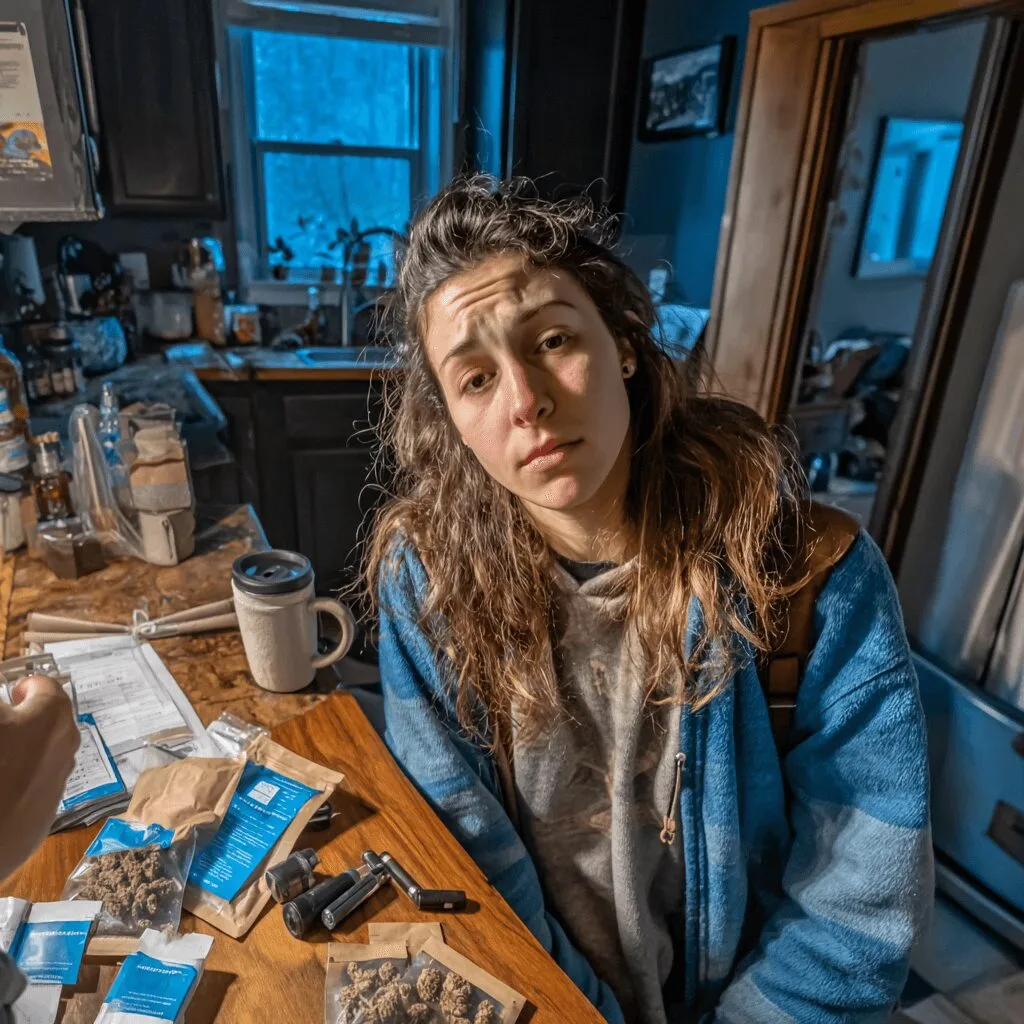
Cannabis experts agree there’s a regulatory tangle here that needs untangling. According to Leafly, “This patchwork of state laws and federal silence leaves consumers vulnerable and businesses confused.” Industry veteran Jamie Leon, quoted by MJBizDaily, argues, “Regulation is the path to safety, not prohibition. If states embrace smart rules, synthesized THC products can be as safe and transparent as those in legal cannabis markets.” There’s a real fear that heavy-handed crackdowns could push the market underground, where contamination and unsafe formulations are more likely. Meanwhile, analysts at the NORML blog note soaring consumer demand for alternative cannabinoids isn’t going away. These kinds of regulatory gaps can set the stage for enforcement actions, some of which take unexpected turns much like what was revealed in recent narcotics investigations where authorities encountered new cannabis products and practices. The synthesized THC hemp loophole reflects a deeper hunger for legal, accessible ways to enjoy THC without the stigma or policing of prohibition-era laws. The key, they say, is establishing clear labeling and lab testing so buyers always know what they’re getting. The wild west vibe can’t last, but it’s a sure sign that American cannabis is evolving faster than ever.
Future Outlook: A Changing Landscape for Synthesized THC Hemp
Despite the legal turmoil, the future looks bright for the U.S. cannabis industry—and for those exploiting the synthesized THC hemp loophole. Policymakers are listening to public demand for safe, regulated access, and reforms seem inevitable. The focus is likely to shift toward consumer protection, transparency, and equitable business opportunities. As more states reevaluate their laws, the patchwork is bound to become clearer. According to a recent New Cannabis Ventures report, mainstream acceptance and federal reforms are inching closer, promising a new era where both hemp and cannabis thrive under consistent rules. Whether you’re a patient, a curious consumer, or an industry pro, there’s plenty to be optimistic about. The story of the synthesized THC hemp loophole isn’t over—if anything, it’s just getting started. And for those riding the wave, the rewards could be huge. Stay tuned, stay savvy, and remember: the only constant is change in this fast-moving scene.
Originally reported by: star-telegram.com