

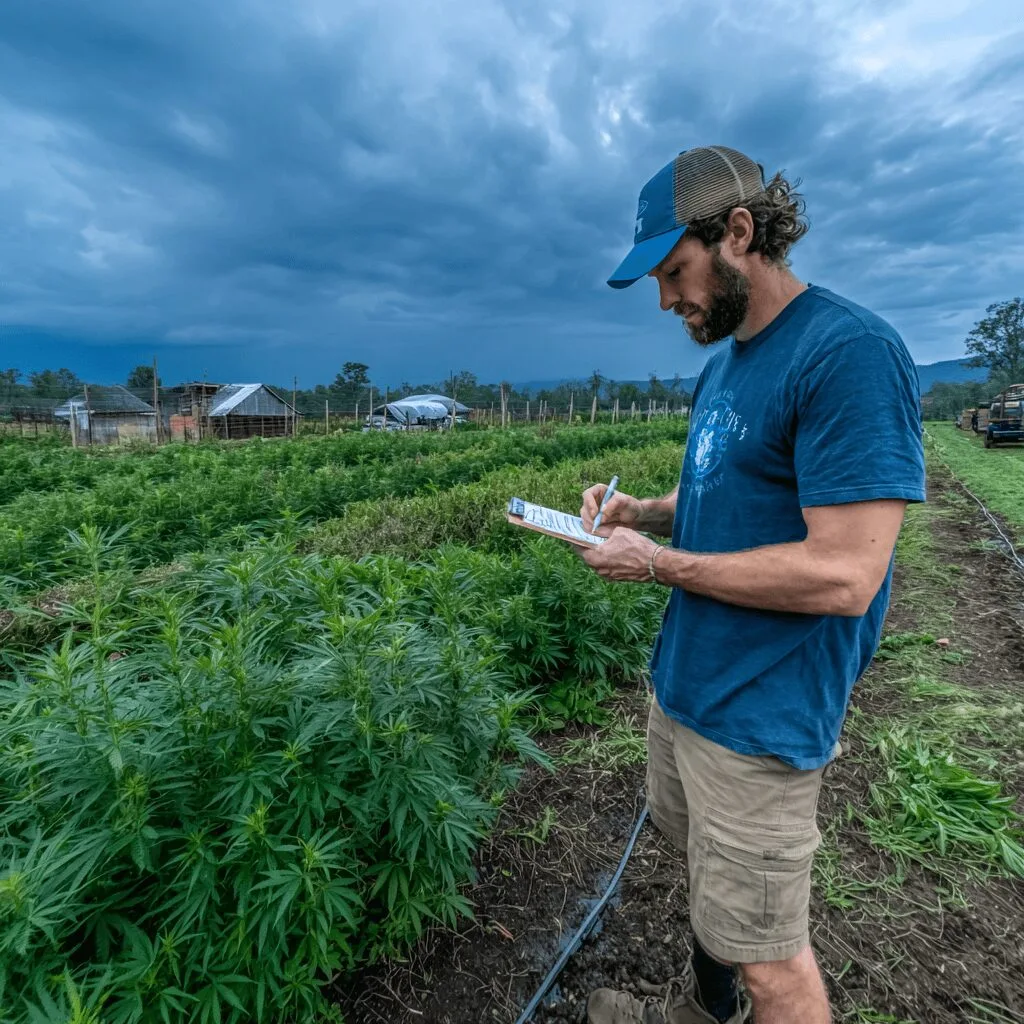
Kentucky hemp federal ban: What Rand Paul’s bill means now
The Kentucky hemp federal ban has quickly become a hot topic. Whether you’re a seasoned grower or simply ride in a pickup with the windows down, recent federal moves threaten the Bluegrass State’s booming hemp industry. With Senator Rand Paul pushing new state-first legislation, the industry’s future hangs in the balance. Let’s break down what’s really happening with the Kentucky hemp federal ban, what’s at stake for Kentucky farmers and local businesses, and why the nation is watching so closely.
The Roots of Change: Background & Context
To understand how we reached the Kentucky hemp federal ban drama, let’s zoom out. Hemp’s comeback in Kentucky has been a mix of tradition and entrepreneurship. When Congress greenlit hemp nationwide in the 2018 Farm Bill, Kentucky jumped at the opportunity, rivaling Colorado and Oregon as a top hemp producer. According to The Lane Report, Kentucky farmers saw new hope as tobacco faded. However, with hemp’s popularity surging, some communities have faced new challenges, like those seen after armed robberies targeting marijuana grow operations, leaving rural towns shaken as covered in a recent case. Legal confusion and periodic rattling from the DEA have fueled anxieties. The main issue is the federal perspective: while hemp (with THC below 0.3%) is legal, federal agencies remain wary of hemp-derived cannabinoids, especially Delta-8 and other intoxicating variants. Legal grey zones, combined with rapid market innovation, create a tricky legal puzzle for Kentucky and the U.S. at large.
Key Developments & Industry Issues
Now to the heart of the Kentucky hemp federal ban situation: the latest wave of crackdowns and political ripples. According to a recent report from WHAS11, Kentucky’s hemp industry is on edge as federal officials signal a possible ban on hemp-derived, THC analog products. The issue really heated up with news that the U.S. Drug Enforcement Administration (DEA) may restrict or ban products like Delta-8, a hemp derivative popular for its mild psychoactive effects, which has exploded in popularity in Kentucky smoke shops and wellness stores since 2020. Kentucky’s regulatory debate echoes evolving cannabis laws in other states, such as Ohio’s new hemp-marijuana reforms that are shaping the coming year. On June 20, 2024, Senator Rand Paul dropped a bill in Congress—his legislation aims to block any sweeping Kentucky hemp federal ban, championing state authority to regulate growing, processing, and the sale of all hemp products. The bill highlights friction between state innovation, with special attention to Kentucky and Tennessee, and the federal government’s skepticism. Small hemp farmers and processors in counties like Garrard and Fayette are bracing for major operational impacts. Local players like Kentucky Natural Farm Co. and Bluegrass Hemp Oil have spent months lobbying for clear regulations that don’t wipe out boutique producers. Meanwhile, state officials and the Kentucky Department of Agriculture cite over $200M in annual hemp-related economic activity as proof Kentucky can responsibly lead regulation, if given the breathing room.
Kentucky Hemp Federal Ban: Expert Analysis & Human Insights
So, what does this Kentucky hemp federal ban skirmish mean for the grassroots cannabis economy and the wider industry? Let’s get real. The world of hemp is moving way faster than most lawmakers can keep up with—and Kentucky’s knack for adaptive agriculture is being put to the test. On one hand, poorly thought-out federal bans could crush small farmers and business owners overnight. On the other, unregulated intoxicating hemp-derived cannabinoids make folks in the mainstream nervous. Kentucky regulators, like those in Texas who recently faced an uproar over new federal THC restrictions and ongoing disputes over cannabis rights, understand the stakes. As noted by Marijuana Moment, the state’s evolving regulatory patchwork isn’t unique—other hemp states face similar battles—but Kentucky’s scale and political clout magnify the national impact. “If Congress lets the feds steamroll local control, Kentucky farmers get left out in the cold again,” says Dr. Emily Sturges, policy advisor at Kentucky Hemp Association (reported via Hemp Benchmarks). Bottom line: Clear, fair state-driven guidelines with federally recognized standards could set an industry blueprint, if lawmakers keep their cool and listen to the people with dirt under their fingernails.
Looking Ahead: Hope, Action, and Opportunity
Here’s the blunt truth: the Kentucky hemp federal ban fight isn’t just political spectacle—it’s a microcosm of the evolving American view on cannabis. While federal bans threaten disruption, history shows Kentucky is resilient. Advocacy groups and farm coalitions are pushing back hard for commonsense, state-based oversight. If Rand Paul’s state-control bill makes headway, Kentucky could prove that responsible, innovative cannabis policy is possible—setting trends for the rest of the nation. Analysts at Leafly News expect that ongoing legal tweaks and broader social acceptance of hemp products will help stabilize the market for years to come. At the end of the day, the Kentucky hemp federal ban debates might just nudge the U.S. closer to smarter cannabis reform—and that’s something every grower, business, and customer can look forward to.
Originally reported by: whas11.com