





Virginia THC drink ban: What the new crackdown means for you
The Virginia THC drink ban is making waves across the state’s cannabis scene, catching both canna-curious shoppers and industry insiders by surprise. With the rise of hemp-derived THC beverages as a mainstream alternative to traditional alcohol, Virginia’s swift regulatory move puts the spotlight on public safety, market evolution, and the ongoing complexities of legalized cannabis. In this article, I’ll break down what you need to know, why it matters right now, and how this shakeup could reshape access to hemp-derived products in the Old Dominion.
Why Did Virginia Crack Down? Regulatory, Social, and Market Perspectives
Over the past year, sales of hemp-derived THC beverages have surged nationwide, offering a new, low-key way to enjoy cannabis without the smoke or stigma (according to Marijuana Moment). In Virginia, shops and small businesses quickly embraced these products, with drinks popping up in vape stores, convenience aisles, and local wellness hubs. However, this fast growth outpaced state regulations, raising alarms about product labeling, quality standards, and accidental sales to minors, especially as packaging often mimicked mainstream sodas or seltzers.
This isn’t just about bureaucracy, parents, healthcare advocates, and even some retail workers voiced concerns about accidental consumption and dosing inconsistencies, as noted by Virginia Mercury. Underpinning all this is an evolving federal stance on hemp, delta-8, and delta-9 THC: since the 2018 Farm Bill legalized hemp with less than 0.3% delta-9 THC, states like Virginia have struggled to define what’s truly legal on their shelves. What’s happening in other states is also influential; for instance, recent developments in Ohio’s hemp and marijuana legislation show similar regulatory confusion. With a patchwork of local regulations and a public still learning the difference between CBD, hemp-derived THC, and full-strength cannabis, the Virginia THC drink ban highlights the intersection of safety, education, and political pressure.
New Laws Drop: What the Virginia THC Drink Ban Means Day-to-Day
So, what exactly changed with the Virginia THC drink ban? As reported by Axios Richmond, state officials moved quickly in late November 2025 to ban the retail sale of hemp-derived THC beverages containing more than trace amounts of psychoactive compounds. The new regulations, signed into law just days before Thanksgiving, took effect immediately, forcing retailers statewide to pull affected drinks from shelves or risk hefty fines.
Prominent local beverage companies, including ChillRx and Nature’s Sip, were given only a limited window to comply. Distributors scrambled, shop owners fielded confused customer questions, and even some delivery services halted shipments mid-route. Under the new rules, only non-intoxicating, hemp-derived drinks—those that don’t produce a “high”—can legally remain in stores. These laws also empowered the Virginia Department of Agriculture and Consumer Services (VDACS) to escalate enforcement, dispatching inspectors to shops and launching a public education blitz. This swift legislative action in Virginia echoes ongoing challenges in other states, with recent updates to Texas hemp THC regulations causing similarly abrupt changes for both businesses and consumers.
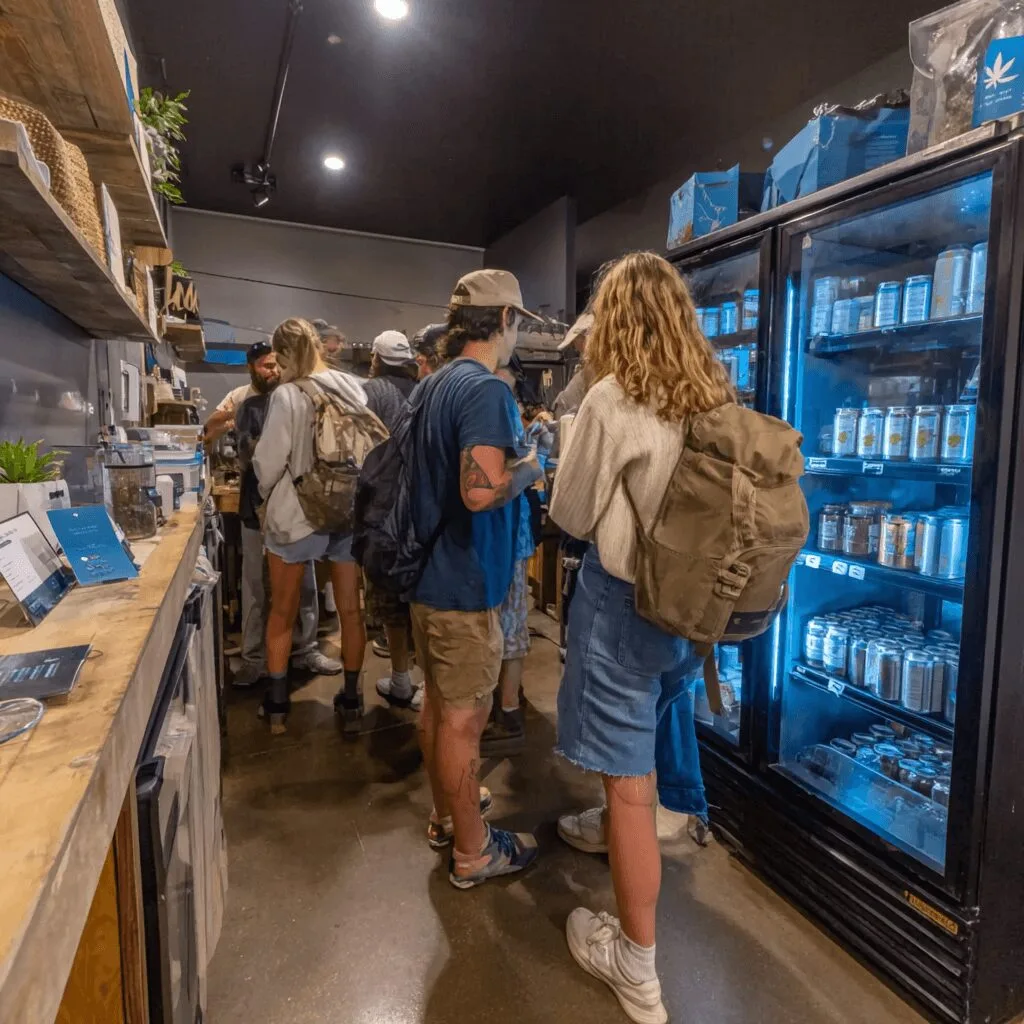
Critically, Axios noted that the crackdown was triggered both by parent complaints (especially from ‘millennial moms’ worried about lookalike kid-friendly products) and by concerns raised in statehouse hearings, where lawmakers cited ambiguous federal guidance. While the ban focuses specifically on consumable beverages, some retailers expressed uncertainty about future impacts on other hemp edibles. For now, those cloudy cans with the bright green cannabis leaf, gone from your neighborhood fridge case, at least until further notice.
Industry Insights: What Does the Virginia THC Drink Ban Really Mean?
From an industry insider’s perspective, the Virginia THC drink ban is a textbook example of regulatory whiplash, a sudden move that scrambles markets, sows consumer confusion, and leaves both supporters and skeptics asking tough questions. While some caution this approach may push products underground, leaders urge the cannabis community to focus on dialogue and science-based standards. Alongside regulations like these, there are increasing debates—such as the ongoing public concern about intoxication and cannabis impairment, highlighted by incidents like the recent national debate on cannabis and driving safety—which shape state policy trends.
Industry veteran and policy advisor Jane West sums it up perfectly in an interview with Leafly News: “Anytime lawmakers rush to restrict access instead of listening to patients, parents, and business owners together, we risk losing track of what safe, responsible cannabis looks like. Education, paired with clear labeling and packaging, always beats blanket bans.” This sentiment is echoed throughout the national hemp community, where companies stress that responsible self-regulation and state-federal collaboration are key for long-term legitimacy.
Looking deeper, the ban could fuel demand for tested, trackable alternatives: think low-dose, clearly labeled drinks—sold safely by informed retailers, not pop-up carts or gas stations. The move also reflects a wider national trend: states like Minnesota and New York have faced similar push-pull between rapid product launches and evolving health regulations, as noted by respected publications like Cannabis Business Times. With these shifts, the Virginia THC drink ban is set to influence conversations nationwide and inspire closer scrutiny of cannabis beverages.
Looking Forward: Can the Virginia THC Drink Ban Fuel Better Cannabis Laws?
While the Virginia THC drink ban hits hard for fans of hemp beverages and legitimized cannabis businesses, it’s not the end of the road. With public awareness growing, lawmakers and advocates alike now have an opening to revisit and refine rules—ensuring that safe, properly labeled products can return to shelves. Historically, moments like this have helped clarify legal boundaries and inspired sensible reforms nationwide (see the evolution of Colorado’s edibles market as reported by The Denver Post).
If there’s a silver lining, it’s that the ban has kicked off overdue conversations about informed access, consumer safety, and the role of responsible retailers. Expect to see new coalitions—of parents, businesses, and patient advocates—working together for balanced laws that respect both public safety and personal freedom. In short, the cannabis industry’s momentum can’t be stopped by one soda case crackdown. The Virginia THC drink ban may close one chapter, but it’s already rewriting a much broader story: one where open dialogue, honest science, and community wins pave the future for legal cannabis.
Originally reported by: axios.com
1 Comment
Pingback: Shocking Armed Marijuana Grow Robbery: What Really Happened?