



Driving Under Marijuana Influence: Shocking 100 MPH Arrest
The conversation around driving under marijuana influence is more heated than ever in 2024. States are legalizing fast, yet incidents involving cannabis impairment behind the wheel spark national debate. As more people use cannabis for both recreation and wellness, policymakers and the cannabis industry scramble to find reliable solutions. The recent 100 MPH arrest during a suspected case of driving under marijuana influence has amplified calls for balanced safety measures, clear policies, and informed public dialogue.
The Legal and Social Backdrop: Cannabis, Cars, and Community
Cannabis law and social norms in the United States are evolving rapidly. According to NORML, 24 states and counting have legalized adult-use cannabis, but driving under marijuana influence remains strictly prohibited almost everywhere. Regulatory bodies like the National Highway Traffic Safety Administration (NHTSA) and CDC have published research showing an uptick in impaired driving reports as legalization grows. Social attitudes are in flux, too. A Pew Research Center survey found record public support for reforms, but a majority agree cannabis use shouldn’t impair others’ safety. The challenge: No “breathalyzer” gold standard exists for cannabis impairment yet. Enforcement relies on field sobriety tests and officer training, often leading to legal and scientific headaches. Insurance companies, public health advocates, and cannabis businesses all advocate for nuanced, science-backed rules to keep roads safe and fair. As the debate around safety continues, communities nationwide recall moments like the New York marijuana bust on I-81 that spurred further public conversation about local marijuana enforcement and its impact.
Key Developments in the 100 MPH Driving Under Marijuana Influence Case
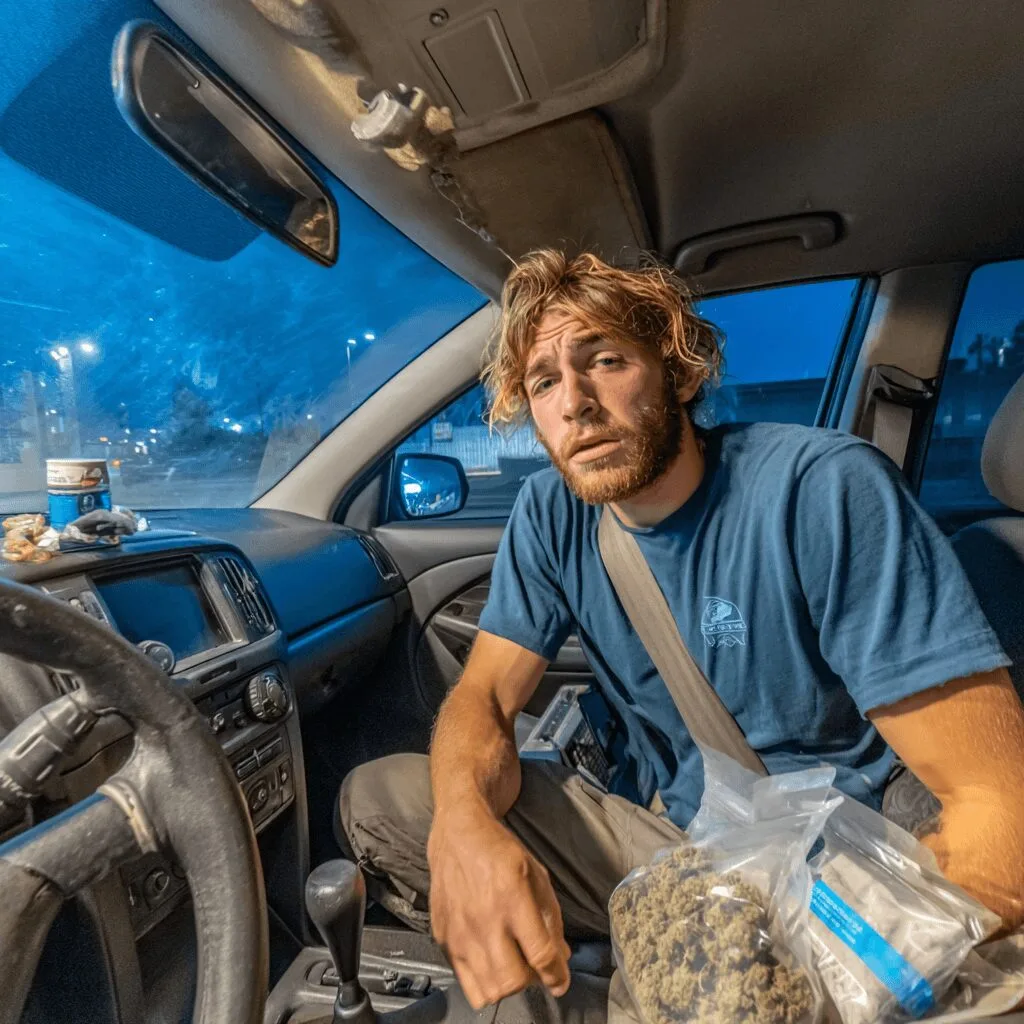
On a recent evening, Oklahoma officers arrested a man for driving over 100 MPH on a local highway. According to the original report, law enforcement observed erratic behavior before pulling the vehicle over just past midnight. The traffic stop led to a roadside sobriety check, where officers reported “obvious signs of marijuana use.” Cannabis buds and rolling papers were noted inside the car, and the driver allegedly admitted to recent marijuana consumption. Charges for driving under marijuana influence and reckless driving were filed under Oklahoma statutes as per state law. The story, originally reported by metro-area outlets, has been picked up by national sources and is fueling ongoing debate in legislative circles. Industry groups like the Cannabis Business Times have pointed to the incident as emblematic of broader policy uncertainty in newly legalized regions. These uncertainties mirror regulatory shifts seen in other states, such as the changing landscape highlighted by recent Texas hemp THC regulations, illustrating how different jurisdictions are seeking clarity around cannabis and safe driving laws. Importantly, the legal process remains ongoing, with defense attorneys noting the difficulties of proving cannabis impairment with current field testing technologies.
Expert Analysis, Industry Perspective & Pro-Cannabis Counterpoints
Let’s get real, stories like these put the spotlight on the tricky intersection between evolving cannabis laws and old-school traffic safety systems. Leading experts agree there’s a knowledge gap. As Leafly’s legal analyst, Bruce Barcott, explains: “Unlike alcohol, THC doesn’t behave predictably in the body. A positive test may not mean impairment, only recent use.” Many advocates, myself included, want to see more funding for science-based roadside testing tools and better public education, not knee-jerk crackdowns. According to Marijuana Moment, most states lack a clear THC impairment threshold, and court cases often hinge on subjective observations—a legal minefield for consumers and law enforcement alike. Responsible use is a community standard, but overzealous enforcement risks stigmatizing legal cannabis users who aren’t actually a public safety risk. Industry voices, such as the Cannabis Industry Journal, have repeatedly called for reforms: education, designated driver programs, and clearer impairment guidelines that reflect scientific reality, not just public panic. Breakthroughs in cannabis science—like those discussed in recent research into high-THC cannabis genotype chemotypes—could shape how lawmakers understand and define impairment, ultimately informing future reforms in both law enforcement and public health policy.
Future Outlook: Balancing Safety and Cannabis Progress
The future of driving under marijuana influence regulation is a work in progress—and it’s trending toward smarter, fairer, evidence-based rules. With research funding increasing and public opinion swinging toward acceptance, political leaders and cannabis entrepreneurs alike are looking for win-win solutions. Many states are piloting new roadside impairment technologies, while the federal push for legalization brings hopes of national coherence. Industry outlets like Forbes report rising investment in public education and innovation for responsible cannabis use. The 100 MPH incident serves as a wake-up call, not a death knell for legalization. Expect improved public messaging, better driver education, and a continued commitment to both road safety and cannabis freedom in the years ahead. Stay savvy, stay safe—and keep the conversation moving forward.
Originally reported by: 1600kush.com


1 Comment
Pingback: Ohio hemp marijuana bill: What it means for your rights