Federal THC Restrictions Hemp: What It Means for Your Business
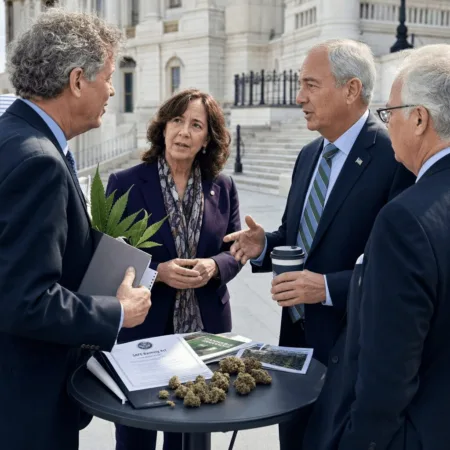
Let’s be real—navigating the green wave of hemp entrepreneurship can feel like riding a rollercoaster with a blindfold. Right now, one major loop is the federal THC restrictions hemp operators are facing. With new government spending bills dropping new rules, hemp shops from coast to coast are waking up to a very different business landscape. The recent shake-up is more than legal jargon; it’s changing what gets stocked, sold, and stressed over in local shops. In this guide, you’ll learn exactly what’s changed, how leading businesses are responding, and what these federal THC restrictions hemp could mean for the future. Buckle up—there’s a lot happening on Capitol Hill and Main Street.
The Regulatory Backdrop: Why Federal THC Restrictions Hemp Matter
The 2018 Farm Bill cracked open the market for hemp-derived products by officially legalizing hemp (with less than 0.3% Delta-9 THC by dry weight) nationwide. Since then, the hemp industry has boomed, with CBD oils flying off shelves and small-town shops planting seeds for economic revival. However, that flexibility also brought a Wild West vibe, making regulators increasingly uneasy, which is why FDA clarifications and new congressional spending bills are clamping down, directly targeting THC thresholds and hemp derivatives that blur the line between hemp and marijuana. According to Cannabis Business Times, federal THC restrictions on hemp are a response to evolving products, public health debates, and ongoing chaos in enforcement standards. In recent months, some states have issued their own regulatory responses to the uncertainty, as seen in developments similar to how Becker County clarified local hemp law enforcement guidelines. The resulting patchwork of state regulations creates a legal minefield for operators. Hemp businesses, particularly small family-run shops, now face uncertainty over what’s legal to sell today versus tomorrow, all because of these new federal THC restrictions hemp carriers must track daily.
Key Updates: What’s in the Latest Federal THC Restrictions Hemp?
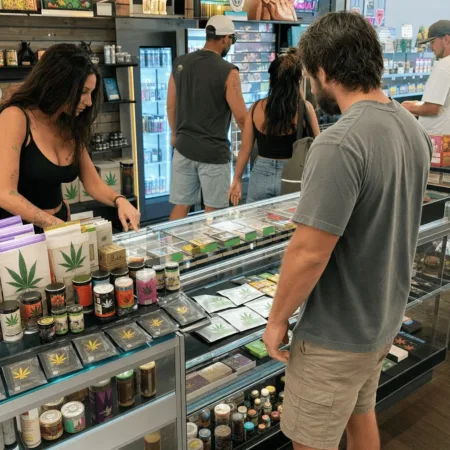
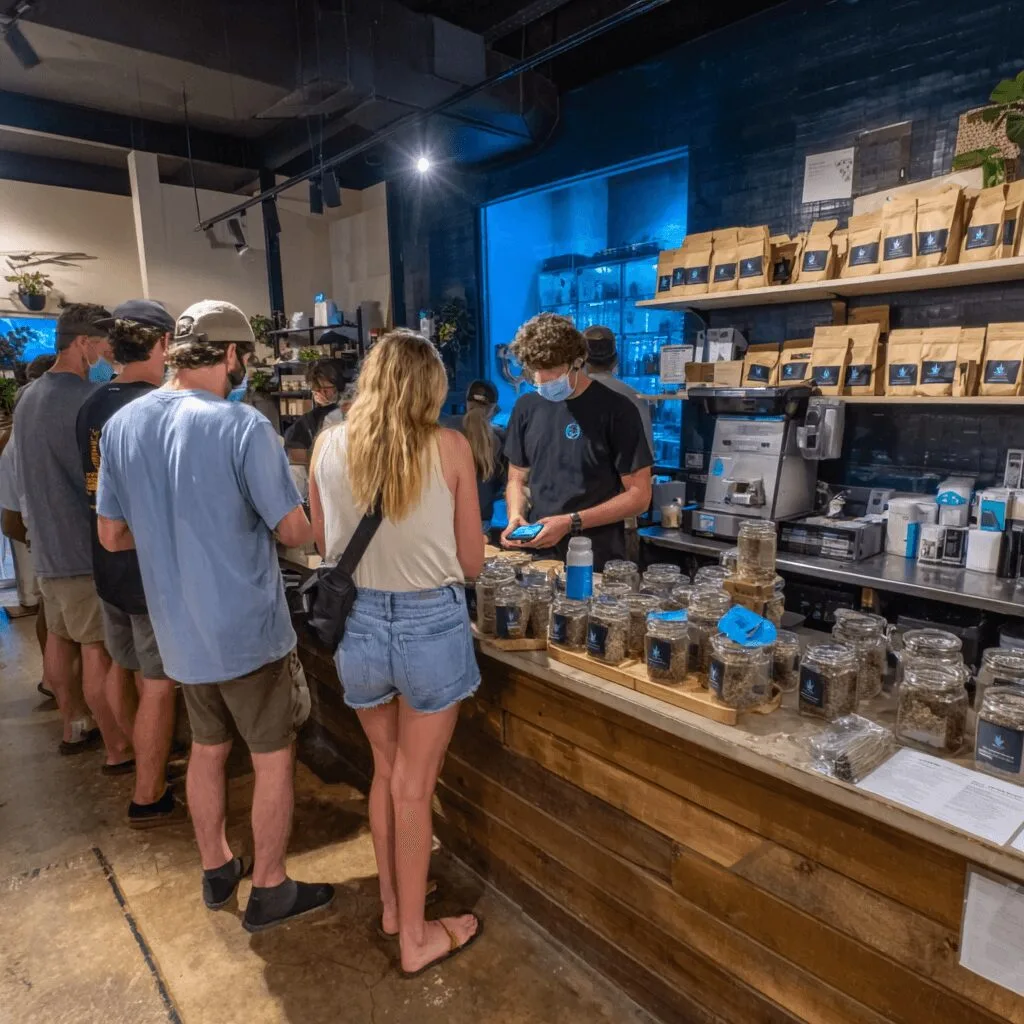
The alarm bells began to ring for Lowcountry’s hemp businesses as Congress introduced spending bills with new THC caps applicable to all hemp-derived goods. According to ABC News 4, these measures now specifically target all forms of THC—including Delta-8, Delta-9, and their cousins—to remain under the strict 0.3% limit, not just in raw flower, but in tinctures and edibles as well. Major players like Sweetgrass Herbals in South Carolina have raised concerns that, should these bills pass, many of their most popular products could be pulled. Owners John Templeton and Anna Boyd have voiced apprehensions about transitioning from running a thriving CBD boutique to potentially facing closure due to sudden noncompliance. While the bill aims to standardize rules nationwide, its ambiguity leaves business owners scrambling for legal clarity. These anxieties echo far beyond South Carolina, resonating across states formerly enjoying more relaxed regulations than the new federal THC restrictions hemp will enforce. According to MJBizDaily, businesses are already altering inventory and reformulating or withdrawing top-selling products. For example, updates and legislative shifts in cannabis law, like those discussed in the ongoing debate about how hemp-derived THC is impacting cannabis legislation, directly influence these trends. Many retailers nationwide are rushing to adapt before new restrictions are finalized.
Expert Insights: How Federal THC Restrictions Hemp Reshape the Industry
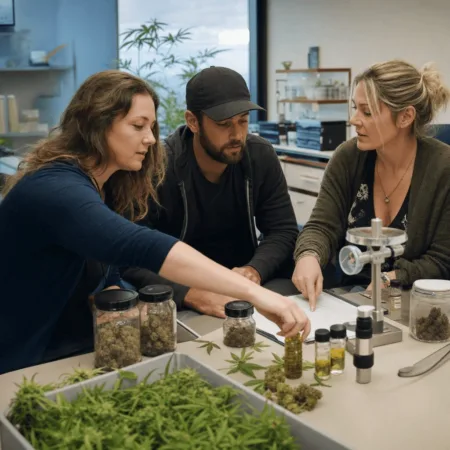
The ongoing drama over small percentages of THC is being closely watched by industry insiders. These new federal THC restrictions hemp are intended to close regulatory loopholes that previously allowed psychoactive products to end up on shelves while still labeled as legal hemp. However, the real impact falls on legitimate small businesses focused on compliance. Kayla Morton, editor at Hemp Grower, summed up the industry mood: “Broad-brush restrictions don’t just weed out bad actors, they uproot entire local economies.” This ripple effect could mean dispensaries and small boutiques in rural areas may close, resulting in job losses and reduced public safety funding. Additionally, as Leafly notes, consumers could soon encounter fewer product choices and higher prices. Industry advocates believe that with the right legal reforms, hemp-derived wellness products can stay safe, accessible, and compliant. As Morton observes, lawmakers who truly listen to small-business owners will be key to finding solutions that balance safety and commerce under federal THC restrictions hemp. These regulatory changes mirror broader shifts in cannabis testing and consumer safety, a topic explored more deeply in recent updates on cannabis consumer protection and product quality legislation.
Outlook: Rolling Forward After Federal THC Restrictions Hemp Changes
Here’s the good news for everyone who’s built a life (and livelihood) around hemp: the story isn’t over. Federal THC restrictions hemp are disrupting business as usual, but they’re also pushing the industry toward greater maturity, transparency, and legitimacy. According to recent market analysis from New Cannabis Ventures, consumer demand for safe, regulated hemp products isn’t going anywhere. Advocacy groups and business owners are rallying for amendments, clarity, and smarter enforcement—not an end to hemp entrepreneurship. While some shops face tough choices, innovative brands are already finding compliant solutions, investing in education, and lobbying policymakers for common sense in Congress. In the end, federal THC restrictions hemp may bump the road, but they won’t stop the future—one where hemp is as normal as a cup of coffee on Main Street.
Originally reported by: abcnews4.com