The Psilocybin Shroom Boom: What’s Really Happening?
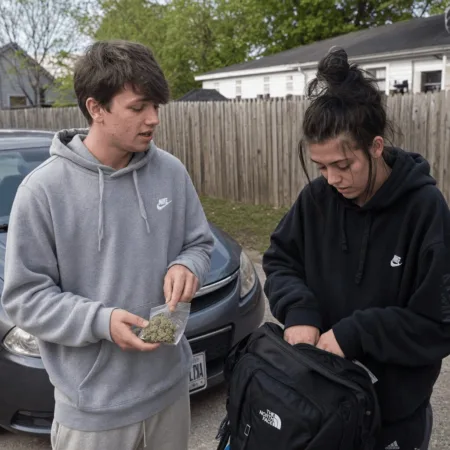
Right now, the psilocybin shroom boom is shaking up both the wellness and recreational scenes. This trend is fueled by shifting laws, fresh scientific discoveries, and growing curiosity about both psilocybin mushrooms and cannabis. With mainstream conversations about mental health and personal growth intersecting, it’s obvious why the psilocybin shroom boom is gaining serious traction. In this piece, we’ll break down the latest developments, legal landscape, and what it all means for the cannabis and mushroom-loving community.
The Roots of the Psilocybin Shroom Boom: Context & Background
The psilocybin shroom boom isn’t happening in a vacuum. Over the last few years, both cannabis and psychedelics have been on parallel but distinct legalization journeys. In North America, several cities—like Denver and Oakland—were early to decriminalize psilocybin use, waving in a wave of grassroots reform (as highlighted by The New York Times). This movement toward reform is reminiscent of major shifts within cannabis, such as those surrounding evolving legislation in Massachusetts where updates to testing requirements are actively shaping consumer experiences (recent Massachusetts cannabis testing legislation). Federally, mushrooms remain illegal in the U.S., but states such as Oregon have approved supervised therapeutic use, signaling new market horizons. Socially, the stigma around psychedelic use, long-tied to the cannabis counterculture, is eroding. Millennials and Gen Z are especially open to exploring plant medicine for both recreation and mental well-being, further fueling the enthusiasm and investment witnessed in the psilocybin shroom boom. Meanwhile, the cannabis sector has set a blueprint for advocacy and regulatory evolution, paving the way for psilocybin’s growing legitimacy. This convergence of loosening policies, shifting attitudes, and rising demand is central to understanding today’s shroom surge.
Key Developments & Hot Issues in the Psilocybin Shroom Boom
Recently, the psilocybin shroom boom has landed in national headlines for more than anecdotal use. According to EurekAlert!, researchers have reported increased self-reported use of psilocybin mushrooms, as well as record implementation of reform. Oregon has officially opened applications for its therapeutic psilocybin services, bridging the gap between underground use and regulated access (licensed facilitators began offering legal services in 2023). Meanwhile, cities like Detroit and Washington, D.C. have moved to deprioritize shroom-related prosecutions, further accelerating acceptance.
In Canada, legal exemptions granted to certain therapists and terminally ill patients are setting a precedent recognized across North America (CTV News). In response, companies are scrambling to secure their slice of this emerging market, evident from new startup launches, patent filings, and major investments in psilocybin research. When monitoring how policy developments drive financial backing and access, it’s instructive to look at other cannabis markets—such as the significant influence local marijuana tax revenues have in New York (see how New York’s tax revenue for cannabis fuels change). With the FDA now designating psilocybin-assisted therapy as a “breakthrough” treatment for depression (FDA Press Release), mainstream medical interest and financial backing are guaranteed to increase. These regulatory milestones, public health shifts, and industry pivots blend together as the core engine of today’s psilocybin shroom boom.
Expert Analysis & Insights on the Psilocybin Shroom Boom
The psilocybin shroom boom isn’t just hype, it’s helping to redefine how society understands plant medicine and mental health. Cannabis industry veterans are watching closely, recognizing striking parallels to the early green rush. According to cannabis policy analyst Amanda Reiman in an interview with Leafly: “Psilocybin is following a lot of the same paths that cannabis did, community-led reform, research-led policy, and retail innovation. The real differentiator is the unique healing potential these compounds have for people struggling with depression or trauma.”
Industry insiders note that, while cannabis faced fierce pushback from the status quo, psychedelics are entering a landscape that’s already more open, partly thanks to cannabis activism. Legal complexities remain, federal prohibition and patchwork state laws aren’t going away overnight, but public attitudes are evolving. Longtime advocates now champion regulated access, patient safety, and honest education to ensure this new movement doesn’t repeat old mistakes. The cannabis sector’s transparency battles and social equity efforts offer lessons for psilocybin’s next phase. Efforts toward stricter regulation and the recent implementation of detailed testing requirements are prime examples of how both markets are converging (explore what the new cannabis law could mean for quality ). All in, the synergy between cannabis and mushrooms is giving rise to holistic, stigma-busting conversations about natural wellness.
Looking Ahead: The Future of the Psilocybin Shroom Boom—and Cannabis
The psilocybin shroom boom is just warming up. Experts expect continued policy reform and new therapeutic products, especially as more data breaks the stigma. According to Forbes, both cannabis and psychedelics are positioned as cultural changemakers, poised for mainstream integration. The key takeaway? The cannabis community’s fight for patient access, responsible consumption, and smart regulation is clearer than ever. As society turns a fresh page on plant medicine, advocates, policymakers, and enthusiasts are working together to create a smarter, safer, and more inclusive marketplace. Stay tuned—the journey from stigma to cultural celebration for both shrooms and cannabis is far from over.
Originally reported by: eurekalert.org