






Massachusetts marijuana testing bill: What You Need to Know
Navigating cannabis laws can feel like riding a rollercoaster, but the “Massachusetts marijuana testing bill” right now is the ride everyone’s watching. With recent momentum in the Bay State’s legislature, this bill isn’t just changing the way weed gets tested – it’s shaking up industry expectations, public confidence, and consumer safety. As edibles and flower sales hit record highs, everyone from canna-curious patients to hard-core advocates are asking: “Is the stuff in our jars really as safe and potent as it should be?” Let’s break down why this bill is making noise, what it covers, and what it could mean for the future of legal cannabis in Massachusetts.
The Regulatory Roots: Why Testing Laws Matter in Massachusetts
If you’ve followed cannabis reform, you know that testing rules aren’t just bureaucracy gone wild, they’re about protecting people and making the market work. Since legalization, Massachusetts has worked under strict control from the Cannabis Control Commission (CCC), whose mission is to set the state’s quality standard high. They demand comprehensive third-party lab testing for everything from heavy metals and pesticides to cannabinoid strength, per regulations described on the CCC compliance page. But industry insiders and advocacy groups, like the Marijuana Policy Project, have long flagged blind spots in the system, including inconsistent results, delayed turnaround, and not enough oversight of testing labs. Unforeseen events can highlight gaps in safety protocols—a situation reminiscent of a recent chemical spill at a cannabis store—showing how mishaps can prompt industry-wide calls for reform. Add in growing consumer demand for transparency and some high-profile recalls (source: Boston Globe), and you’ve got fertile ground for reform. Social equity and fairness matter too: smaller, craft producers need affordable, fair testing so they can compete, not get squeezed out by big-money operations with deeper pockets. So yeah, this bill is a big deal for everyone.
What’s Actually Happening: Key Details on the Massachusetts Marijuana Testing Bill
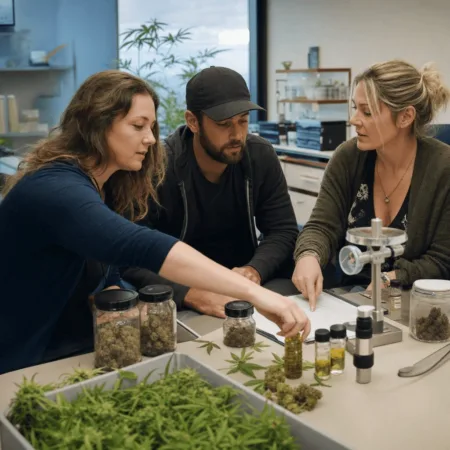
Here’s what’s really lighting up the buzz, the Massachusetts marijuana testing bill recently advanced through a major committee on November 21, 2025, according to Forbes. The bill’s biggest changes? First, it tightens licensing criteria for independent testing labs—these labs will need deeper audits, transparent reporting, and stricter enforcement of scientific standards. Any labs caught juicing results or taking shortcuts could face heavy fines, suspension, or closure, per proposed sections outlined in the text. Another headline is that the bill finally addresses “testing shopping,” where cannabis businesses bounce around labs for the most favorable results. This practice, as pointed out in legal memos referenced by NORML, has fueled inconsistencies that erode consumer trust. The new rules would force all flower, concentrates, and edibles to go through randomized, double-blind batch testing. Plus, there’s language to subsidize testing costs for social equity applicants, aimed at leveling the playing field across the Massachusetts industry. Notably, lab directors from MCR Labs and ProVerde Laboratories have publicly supported these moves, saying they’ll drive out bad actors and make results more reliable, according to coverage by Boston Globe. Concerns about youth access have also been raised, reminding stakeholders of the ongoing debates captured by recent policy efforts to redefine youth cannabis access, showing how testing laws can tie into broader safety measures. The bill is now headed for a crucial floor vote in the coming weeks. If it passes, every harvest, gummy, and pre-roll sold statewide will need to prove it’s safe and honestly labeled, no shortcuts, no exceptions.
Expert Insights: Why This Bill Could Change Everything (Again)
The Massachusetts marijuana testing bill isn’t just another dry regulatory update, it’s a vibe shift that industry pros see as overdue. Consider what longtime cannabis scientist Dr. Michelle Blackwell told the Leafly News team: “Consumers expect cannabis quality to match other products they trust, and rigorous testing is key to that trust.” She’s not alone, producers and advocates say reliable lab results cut through hype and create honest competition that allows small growers and big brands to thrive together. Stronger rules could also give Massachusetts an edge in potential interstate commerce, as industry-watchers speculate about future federal legalization. But here’s the real hook, these reforms could become a national blueprint. According to a recent report from Cannabis Business Times, no state has cracked the code perfectly yet, but Massachusetts’ move could inspire others. Sure, the industry grumbles about higher compliance costs or more paperwork, but as testing consultant Jay Patel admitted to Marijuana Moment, “If you’re in this for the long game, you want safety and quality up front. That’s how you win trust—and keep regulators off your back.” Recent rising concern about accidental consumption—reflected in the growing number of THC gummy ingestions among children—underscores why transparent and accurate testing reforms are crucial for consumer safety. As more data and uniform results come in, expect better products, satisfied consumers, and a refreshed sense of legitimacy for Massachusetts weed.
The Road Ahead: What’s Next for Bay State Cannabis Quality
This “Massachusetts marijuana testing bill” isn’t some flash in the pan; it’s a defining moment for legal weed in the Commonwealth. If it passes—and signs point that way—the whole system gets an upgrade. Every grower, manufacturer, and consumer benefits from more rigor, better transparency, and a level playing field. It sets up Massachusetts as a role model for cannabis regulations, pushing the industry toward truly safe, high-quality products. With support coming from sectors across the board, from patient advocates to seasoned entrepreneurs, the future’s looking bright (and potent). As Marijuana Policy Project reports, these reforms could even speed up progress toward broader social acceptance and open new doors for scientific and medical research. Here’s to safer, better buds—and a marketplace that lives up to its own unrealized promise. Whether you’re a casual user or a committed industry pro, keep an eye on this one: Massachusetts is leading the way once again.
Originally reported by: forbes.com


1 Comment
Pingback: Massachusetts marijuana testing legislation: What You Need to Know