





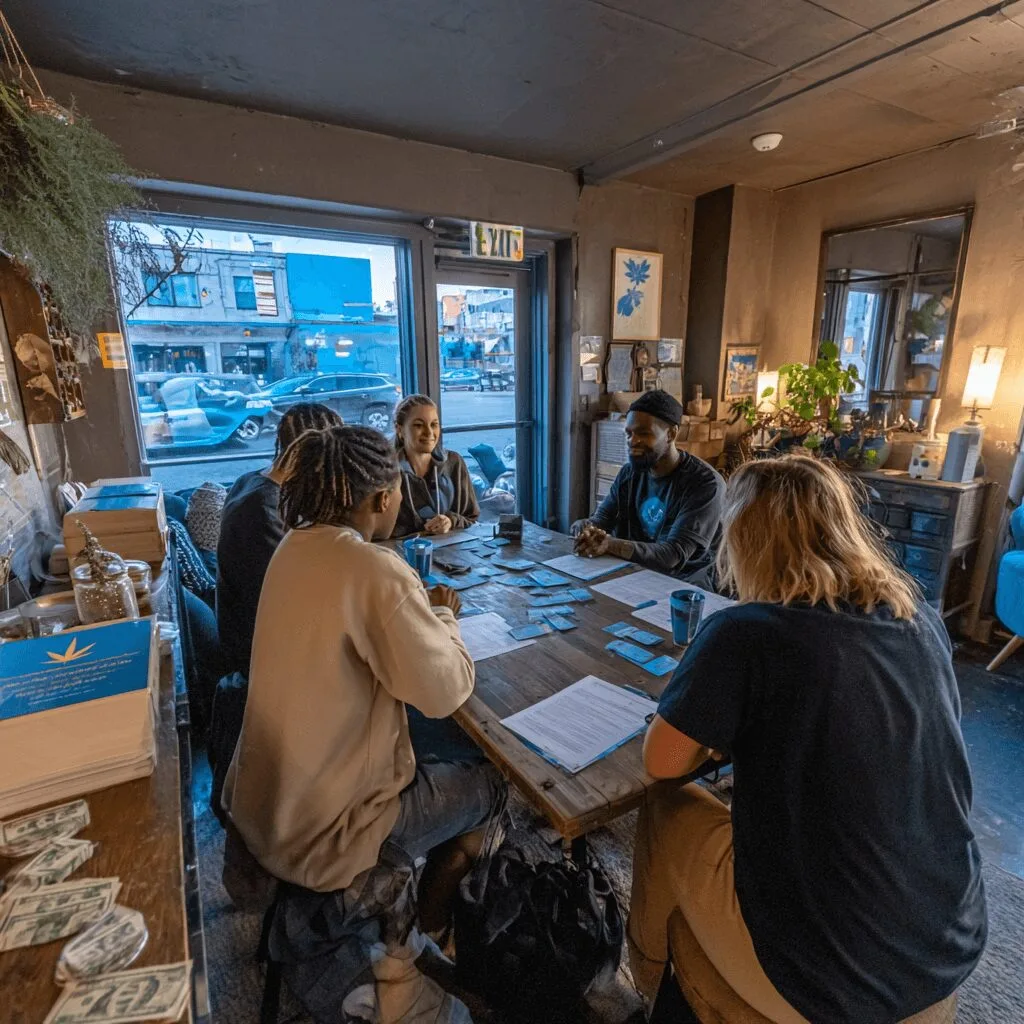
New York marijuana tax revenue: How Big Money Impacts Communities
Let’s face it, New York marijuana tax revenue has become one of the most talked-about topics in both cannabis circles and mainstream policy chatter. With green dollars finally flowing into city and state coffers, everyone wants to know: how is this cash being used, and is it actually serving the communities lawmakers promised to help? As tax-funded dollars start trickling into neighborhoods from Buffalo to Brooklyn, it’s time to look at what’s happening on the ground, what’s at stake, and what it means for the future of cannabis in the Empire State. We’ll dig into who’s getting the dough, why it matters, and how this new era of legal weed is rewriting financial and social priorities across New York.
The Story So Far: Background, Regulation, and Social Equity
Understanding New York marijuana tax revenue means first appreciating how New York’s cannabis landscape arrived here. New York legalized adult-use cannabis in March 2021 under the Marijuana Regulation and Taxation Act (MRTA), which set the tone for one of America’s most ambitious legal weed rollouts. The law promised not just tax revenue, but concrete social equity, with funds earmarked for communities historically targeted by drug laws. Unlike some other states, New York built social justice priorities into its framework from the beginning, pledging that a solid percentage of marijuana tax income would be invested in communities to help right the wrongs of past prohibition. This approach provides a sharp contrast to other regions where enforcement continues to bring controversial arrests, as seen in stories of how marijuana laws impact local communities around the country.
The Office of Cannabis Management (OCM) leads the regulatory charge, while retail operators face detailed licensing hurdles and heavy compliance scrutiny. Taxation itself has layers: a potency tax (based on THC content), plus state and local excise taxes, all stacking to create a major new revenue stream. According to The New York Times, industry experts projected New York could yield “hundreds of millions” in annual tax revenue within a few years, with a chunk destined for community-based programs, public education, and reinvestment initiatives targeting areas hardest hit by the war on drugs. That’s why the way New York marijuana tax revenue is collected and distributed has become a hot-button topic for cannabis advocates, policy makers, social activists, and local residents eager to see real results.
Key Developments: The Real-Life Rollout and Where the Money’s Flowing
Fast-forward to 2024, and that long-promised New York marijuana tax revenue is finally starting to flow into real communities. On November 20, 2025, Capitol Pressroom reported the much-awaited transfer of cannabis funds from state coffers to local government and nonprofit groups. According to the Office of Cannabis Management, allocations prioritize community reinvestment grants, educational efforts, addiction-treatment resources, and job programs. As of this winter, the OCM confirmed the first multi-million-dollar disbursements to cities, counties, and organizations working directly with marginalized populations, continuing to support social equity even as national debates over cannabis policy and youth protection make headlines, as in recent changes to cannabis access policies for minors.
For example, Buffalo’s City Council received more than $2 million to repair community centers, while Brooklyn-based nonprofits are directing newly received funds into afterschool programs and workforce development. With over $150 million in legal sales reported in early 2024, the state’s marijuana tax revenue is scaling up fast.
- Distribution mechanics: Funds move via both the Community Grants Reinvestment Fund and the State Lottery’s local education allocation.
- Date of impact: The first direct payments to neighborhoods landed in November 2025.
- Who’s included: The criteria for receiving funds are shaped by historical cannabis enforcement maps, equity business license status, and neighborhood demographics. For communities experiencing firsthand the effects of legal marijuana tax flows, these developments recall the lingering socioeconomic impact of prior cannabis enforcement.
Legal experts point out that this marks the first time many neighborhoods directly see a tangible benefit from pot legalization. As Leafly reports, this public spending is watched closely to ensure it stays true to MRTA’s promise of repairing historical harm and building new opportunities from New York marijuana tax revenue.
Expert Analysis & Insights: What the Cannabis Community Says
So, what do the experts and street-level operators really make of New York marijuana tax revenue hitting home? First, there’s celebration, because finally, dollars are where legislative promises were. Industry leaders such as Chris Alexander, New York’s OCM Executive Director, say: “Every dollar reinvested in our communities is a step toward justice and economic inclusion.”
Cannabis experts and advocacy organizations, including the Drug Policy Alliance, agree that the new funding takes New York from rhetoric to action. At the same time, distribution isn’t perfect, with local officials wanting more voice in where funds go. One prominent industry columnist at Marijuana Moment wrote, “If New York can keep transparency high and bureaucracy low, this state could become the gold standard for cannabis justice impact.” These shifting policies find echoes in broader reform efforts, like drives to fund new cannabis policy initiatives nationwide, which continue to shape the legal and social landscape.
Meanwhile, shop owners and nonprofit directors—those closest to the ground—feel cautiously optimistic. One Harlem community center manager told Gothamist, “It’s the first time in a generation we see real, tangible investments from policies meant to help us. We’re keeping eyes on results, but this is a good start.”
Looking Forward: Can New York Marijuana Tax Revenue Keep Delivering?
The future for New York marijuana tax revenue looks bright if the state keeps transparency, equity, and local reinvestment at the core. There’s a lot of pressure—other states like Illinois and California offer blueprints, but with mixed reviews on delivery. New York’s unique focus on social repair sets a high bar. If current trends continue, expect to see expanding programs, healthier communities, and, hopefully, shrinking illegal cannabis markets. As Cannabis Wire reports, the legal market’s growth means ever more dollars for schools, social services, and job training in the state.
One thing’s for sure—the debate over New York marijuana tax revenue’s true impact isn’t ending soon. But by putting money in the hands of those most affected by cannabis enforcement, New York could become the poster child for doing cannabis right. The Empire State’s cannabis journey remains one to watch—and with every new dollar invested, there’s another opportunity for communities to thrive.
Originally reported by: capitolpressroom.org


1 Comment
Pingback: Missouri marijuana license renewal: Beat the Deadline Now