



Las Vegas deadly marijuana crash: What really happened?
The Las Vegas deadly marijuana crash is grabbing national headlines, causing a stir in the cannabis world while raising questions about regulation, safety, and social change. With public attention locked on cannabis legality and usage, incidents like these often spark heated discussions around industry standards and legal responsibility. Here’s a grounded, expert take on what unfolded, why it matters now, and how it fits into the evolving cannabis landscape.
Understanding the Cannabis Landscape: Regulatory and Social Context
Las Vegas sits at the heart of a robust cannabis economy, but with that growth comes scrutiny. Cannabis has been legal for adult use in Nevada since 2017, as regulated by the Nevada Department of Taxation. The market is thriving, yet the legal climate remains nuanced, with strict guidelines on cannabis consumption, particularly around vehicles and public safety. In light of public safety concerns and stricter regulation, some localities are taking specific steps to limit cannabis access for youth, a topic explored further in this overview of evolving policy developments.
The state has invested in public education campaigns, like those led by the Nevada Cannabis Compliance Board, to encourage safe, legal use of marijuana. Still, social stigma persists, often amplified by high-profile incidents. Whenever a crash is involved, the conversation extends to law enforcement practices, judicial responses, and a deeper debate over personal responsibility compared to industry culpability. High visibility cases, such as this Las Vegas deadly marijuana crash, heighten these ongoing societal and policy dialogues in Nevada and nationwide.
Key Developments: What Happened in the Las Vegas Deadly Marijuana Crash?
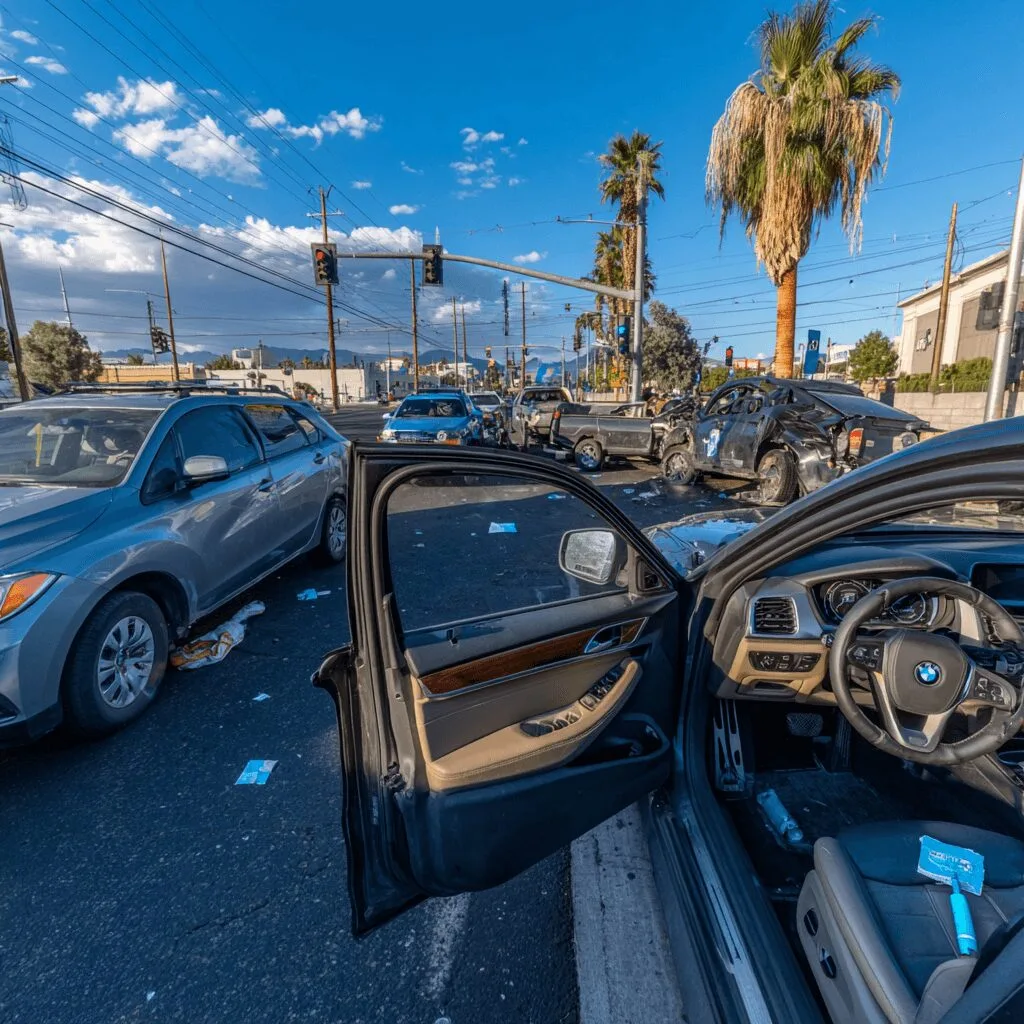
On a recent weekday afternoon, Las Vegas police responded to a shocking 12-car pileup at a busy local intersection. According to 8 News Now coverage, the chaos began when a teenage driver reportedly rear-ended several vehicles, triggering a chain reaction. Upon searching the scene, officers discovered a marijuana vape pen prominently placed on the driver’s seat, this detail rapidly made headlines as the Las Vegas deadly marijuana crash.
Las Vegas Metropolitan Police Department officials confirmed the investigation involved cannabis as a potential factor, given the vape pen and signs of recent consumption inside the car, such as marijuana wrappers and cannabis-themed items. Notably, cases like this have government agencies reviewing not just law enforcement protocols but the broader dangers of accidental cannabis exposure among vulnerable groups, echoed in frequent discussions of urgent health risks when it comes to child ingestion of THC products. Strikingly, the teen driver was released before ever seeing a judge, adding to the media frenzy. Legal experts referenced Nevada’s zero-tolerance policy for underage cannabis use, while court records show no immediate charges. This case has reignited public scrutiny of marijuana enforcement, especially regarding youth and public safety, as documented in several reliable news reports and legal filings.
Expert Analysis, Counterpoints, and Pro-Cannabis Perspective
While the Las Vegas deadly marijuana crash is undeniably tragic, it is important to parse facts from hyperbole. National cannabis safety advocates stress that the presence of marijuana in a vehicle doesn’t prove impairment, nor that cannabis was the sole contributing cause. As NORML policy director Paul Armentano points out, “Incidents involving cannabis require nuanced analysis; correlation is not causation. Overreliance on headlines can fuel stigma rather than encourage responsible education.” Responsible use policies are a crucial layer of community safety, particularly as consumers in Las Vegas and beyond may encounter a variety of newly regulated cannabis edibles or beverages, so staying informed about the latest rules on THC beverage regulation can help prevent confusion and risk. Balanced data from the National Highway Traffic Safety Administration suggests drugged driving remains a concern, but marijuana’s role is often overstated compared to other substances, including alcohol. Industry insiders emphasize that responsible use education should be front and center, not reactionary policy. Cannabis professionals also urge that progress in impairment detection, rather than simple possession evidence, must inform any regulatory response. These broader insights highlight the need for thoughtful dialogue, not misplaced blame aimed at the entire cannabis sector.
Looking Forward: Progress, Reform, and Getting Real about Marijuana Safety
The Las Vegas deadly marijuana crash is a genuine call for reflection—both for the cannabis industry and policymakers. Nevada continues to refine safety regulations and invest in public-awareness campaigns, reinforcing a commitment to minimizing impaired driving (as outlined by the Nevada Cannabis Compliance Board). With growing mainstream cannabis acceptance, situations like this serve as reminders that the path forward is about balance: smarter education, science-driven traffic safety policies, and ongoing public engagement.
As regulatory frameworks mature, industry leaders and responsible consumers alike must champion transparency, safe consumption, and fair treatment. The cannabis community is more than a scapegoat—it’s a partner in navigating public health and safety. Looking ahead, embracing accountability and harm-reduction strategies will help ensure headlines about Las Vegas deadly marijuana crashes become ever rarer, while the industry keeps barreling forward toward normalization and growth.
Originally reported by: 8newsnow.com