





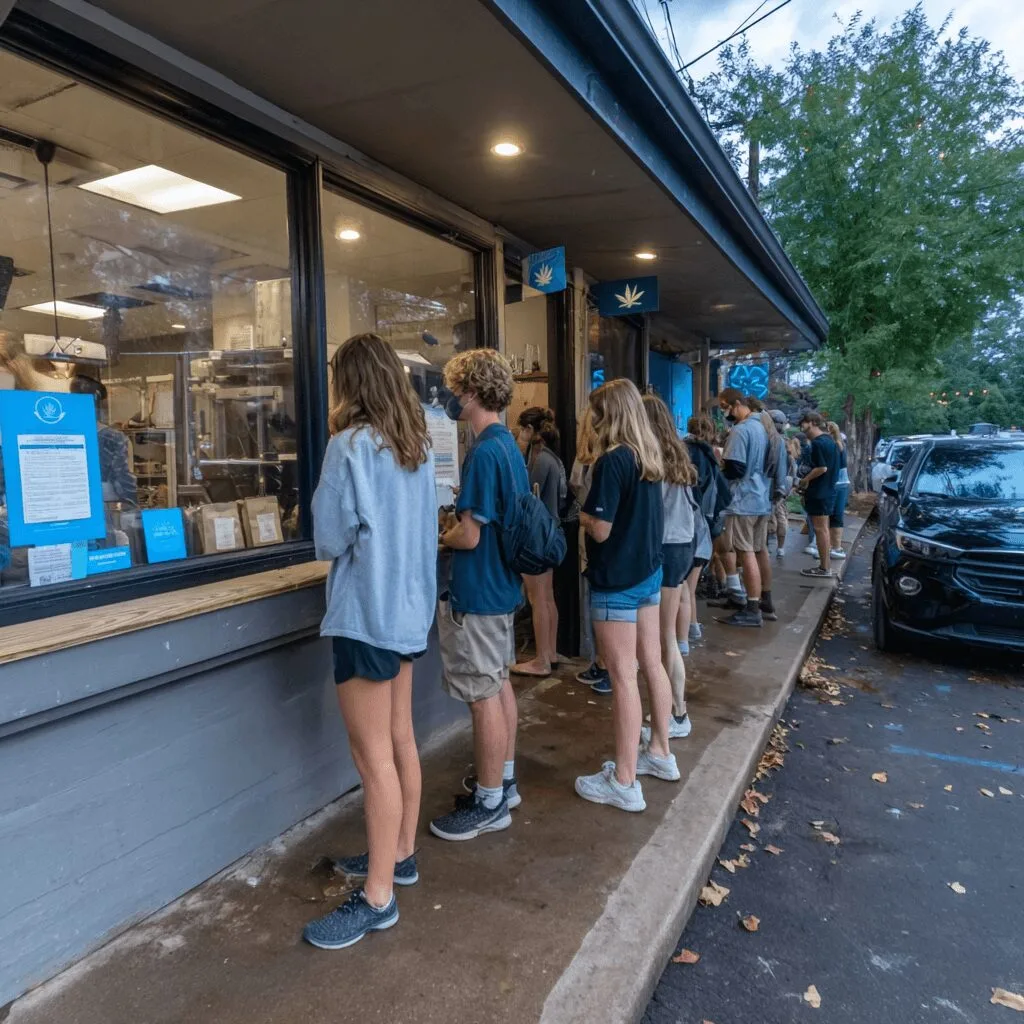
THC sales ban minors: What Watertown’s new law means
The landscape for legal THC continues to shift, and the phrase “THC sales ban minors” is popping up everywhere—especially in places like Watertown. With demand for hemp-derived THC products at an all-time high and youth access under intense scrutiny, the city’s new law has become a hot topic. Enforcement moves like these can seriously affect community norms, business opportunities, and public perception. Let’s dig into what’s fueling these changes and why this ban is front-page news for the cannabis world.
Understanding the THC sales ban minors: Legal and Social Context
THC regulation in the US isn’t what you’d call ‘chill and straightforward.’ The 2018 Farm Bill cracked open the legal door for hemp production and brought a wave of new products, including Delta-8 edibles and vapes, that sometimes skirt the full weight of traditional cannabis laws. With this boom, the “THC sales ban minors” push grew stronger as policymakers grew wary of gray areas letting young people access these products. NORML and Leafly both cover how rapidly states and cities are rolling out restrictions to tackle these loopholes. In light of recent health and safety concerns, there are urgent warnings for parents about child risks from THC gummies ingestion and its consequences, which has become a focal point for both social advocates and legislators.
Locally, South Dakota’s evolving approach to cannabis is part of a broader, often heated conversation about youth safety, personal freedom, and business prosperity. And just so everyone’s on the same page: THC sales bans for minors aren’t only about retail stores—they’re about shaping social norms and responding to parental and public health concerns. Municipal moves like Watertown’s come in response to both public pressure and spikes in youth interest, well covered by national outlets like NBC News and state resources. There’s also ongoing discussion about unexpected regulatory impacts—such as unique rules on the sale of THC beverages—that shape accessibility and compliance at a local level.
Key Developments: Watertown’s Move on the THC sales ban minors
So here’s what actually went down. On June 3, 2024, Watertown’s City Council officially approved an ordinance that targets hemp-derived THC product sales, specifically to address rising concerns about youth access. This wasn’t a snap decision; public meetings, heated exchanges, health officials’ testimony, and industry reps all contributed to the process. The main thrust: anyone under 21 is now strictly barred from buying Delta-8 THC and similar products in Watertown, according to KELOLAND News.
These changes are designed to bring more than just appearances of compliance. Store owners now risk hefty fines and possible license jeopardy if they break the rules. Enforcement agencies are running compliance checks, which could mean undercover stings and tighter scrutiny. Several shopkeepers voiced mixed feelings, arguing they already check IDs and want fair competition. These sorts of legal responses directly echo evolving national policy, such as what happened when the U.S. Congress issued a ban on specific THC products, which rocked cannabis users and retail markets alike.
The city ordinance specifically defines covered products—any items containing Delta-8 THC, Delta-10, HHC, or similar hemp derivatives—enforcing the “THC sales ban minors” effort right at the register. City leaders acted in response to feedback from schools, police, and parents after reports of teens attempting to purchase these products. These echoes are found in other municipalities as well, especially as calls heighten for stronger community education and enforcement strategies.
Expert Analysis: What Watertown’s Law Signals for the Cannabis Industry
Let’s cut through the smoke. Watertown’s policy isn’t an isolated incident; it reflects how local cannabis regulation shapes day-to-day retail experiences across the country. As Marijuana Moment often reports, the patchwork nature of hemp-derived laws means local decisions carry significant industry ripple effects. Advocates argue there are important lessons emerging from states like Wisconsin, where understanding current hemp business regulations has become crucial for business owners and consumers navigating this landscape.
As longtime cannabis advocate Morgan Fox explains, “We’re seeing localities step up where federal regulations haven’t kept pace. Responsible operators should welcome clarity, but there’s still a tension between consumer freedom and safety.” (NORML)
The ongoing “THC sales ban minors” movement can offer strategic benefits if managed with transparency. Responsible companies are already adopting POS tech to block underage sales and working with cities to support public education campaigns, demonstrating their commitment to both compliance and normalization. The evolution in industry standards mirrors larger shifts in public attitudes, which are also shaped by fundraising and community advocacy efforts like Giving Tuesday cannabis policy campaigns that aim to steer change at a grassroots level.
The Future of THC sales ban minors Laws: Looking Ahead
No question: the “THC sales ban minors” story will keep popping up in headlines as more cities follow Watertown’s lead. These moves might look tough, but they often launch deeper dialogue about youth education, parental involvement, and destigmatizing responsible adult use. Businesses, advocates, and public officials all play a part in shaping the narrative.
The bigger picture? Legal cannabis keeps pushing ahead—from delivery to product innovation to medical breakthroughs. While regulatory hurdles like this pop up, most industry watchers are optimistic about long-term growth and mainstream acceptance. According to the Marijuana Policy Project, more Americans than ever are open to evidence-based, adult-centered cannabis policy. Watertown’s changes are just one scene in a much bigger story—and for those who believe in progress, the best is probably yet to come.
Originally reported by: keloland.com
3 Comments
Pingback: Marijuana Toxicity in Pets: What Every Owner Must Know Now
Pingback: Las Vegas deadly marijuana crash: What really happened?
Pingback: New York marijuana tax revenue: How Big Money Impacts Communities