
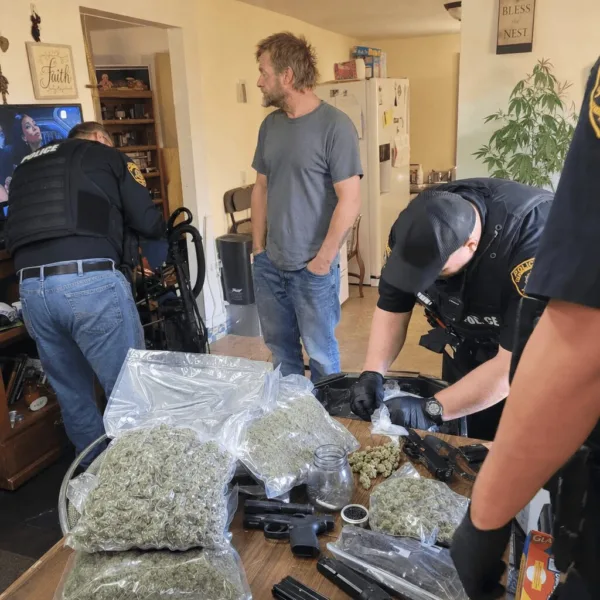





Congress Bans THC Products: What You Need to Know Now
If you follow the cannabis space, the headline Congress bans THC products is more than just news—it’s a bombshell. This decision has sent shockwaves across dispensaries, online communities, and every stoner group chat in America. With new laws reshaping what’s legal and what’s not, users and businesses alike are grappling with what these changes mean for daily life, public safety, and the rapidly growing cannabis industry. Today, we break down why Congress bans THC products matters, what led to this pivotal moment, and what it signals for the future of weed in the US. Let’s dive into the background, new legal restrictions, expert opinions, and a serious look at what’s next for cannabis.
The Story Behind Congress Bans THC Products: How We Got Here
The cannabis industry has lived in a tug-of-war zone for years, balancing between state-level legalization pushes and federal law remaining stubbornly anti-weed. According to a 2023 Pew Research Center report, a staggering majority of Americans support some form of legal cannabis, creating public pressure for reform. However, the gap between public sentiment and federal laws has driven confusion, leaving regulatory loopholes ripe for exploitation. Hemp-derived cannabinoids, like Delta-8 THC, created a gray market that blurred lines of legality and forced Congress to reevaluate national policy. As demand for edibles, vape pens, and concentrates surged, so did concerns about child access and product safety. Some states, like California and Illinois, have implemented rigorous testing and licensing, but inconsistencies nationwide have led to rising calls for a standardized, federal approach. For those interested in how advocacy helps shape these policy debates, read about recent cannabis fundraising and change efforts. The outcome? Congress bans THC products with the intent to clarify, control, and, critics argue, clamp down on an already booming marketplace.
What Exactly Happened? Key Events Around Congress Bans THC Products
Let’s get into the gritty details. On June 10, Congress passed sweeping legislation making it illegal to sell, possess, or manufacture THC products nationwide. According to Splinter News, the ban covers not only smokable cannabis flower but also edibles, vape cartridges, and all forms of psychoactive cannabinoids. Several companies, including Green Thumb Industries and Curaleaf, immediately suspended sales of THC-containing products. Major online retailers removed hundreds of listings overnight. Lawmakers behind the bill cited growing concerns about unregulated products and youth access. This marks the first time Congress has taken such a direct and blanket approach to regulating all psychoactive THC on a national scale. States with existing medical or adult-use programs are now scrambling to interpret and possibly challenge the decision, as legal experts debate how federal preemption will play out. As states work to understand the implications, recent changes in state cannabis legislation highlight the continuing evolution of laws. Advocacy organizations and legal analysts, such as those referenced in NORML, are already calling for lawsuits and new legislative fixes to protect state-legal operations. The Congress bans THC products move is both sweeping and instantly disruptive, catching much of the country off-guard.
Expert Analysis: What Congress Bans THC Products Means for Cannabis Culture
To decode the chaos, let’s lean on industry knowledge. The decision to make Congress bans THC products law comes at a time when the US cannabis sector is seeing record sales, with legal markets like California alone reporting over $5 billion in annual sales (Leafly). Many insiders see this ban as a step backward. Jane Klein, leading compliance director at a multi-state dispensary chain, put it plainly: “This sudden federal move flies in the face of clear voter mandates and mountains of public health data showing regulated access is safer for everyone.” She adds that overreaching bans could push consumers back into the illicit market, undoing years of progress in product safety and harm reduction. Recent regulatory actions around THC beverage products demonstrate the industry’s ongoing adaptation to evolving rules. Expert commentary also ties this crackdown to a pattern seen in other regulated industries, where rushed decisions without nuanced enforcement often create more confusion than solutions, as covered by MJBizDaily. Still, industry analysts stress that markets will adapt, often using moments like this to push for smarter laws and better regulation. As the conversation around Congress bans THC products intensifies, the need for clarity has never been more important.
What’s Next? Future Prospects After Congress Bans THC Products
The shock may feel overwhelming, but the cannabis movement isn’t rolling over. Since Congress bans THC products, advocates have mobilized rapidly, planning legal challenges, educational campaigns, and policy revisions. History has shown regulatory overreach often provokes innovation and, ironically, accelerates reform. Public opinion, as ever, remains firmly on cannabis’ side, with Gallup polls consistently showing upwards of 65% favoring legalization (Gallup). Industry experts predict state governments will fight to preserve their regulated programs, and new lobbying efforts could soon bring federal reform bills to the table. In the meantime, responsible businesses continue to prioritize consumer safety and education. While the Congress bans THC products era is upon us, the long game for sensible, evidence-based cannabis regulation is just heating up. Stay tuned—history shows this community doesn’t back down easily.
Originally reported by: splinter.com


2 Comments
Pingback: SCCS opinions on cosmetic CBD: Crucial Insights Revealed
Pingback: THC sales ban minors: What Watertown’s new law means