



THC Beverage Regulation: What You Need to Know Now
THC beverage regulation is front and center in today’s cannabis conversation. With infused drinks showing up at local gatherings, the market’s been heating up fast. New rules are kicking in almost monthly, and staying informed is no longer an option—it’s a must. This guide breaks down evolving THC beverage regulation, the leading news, and why industry insiders are paying close attention.
How We Got Here: The Background Behind THC Beverage Regulation
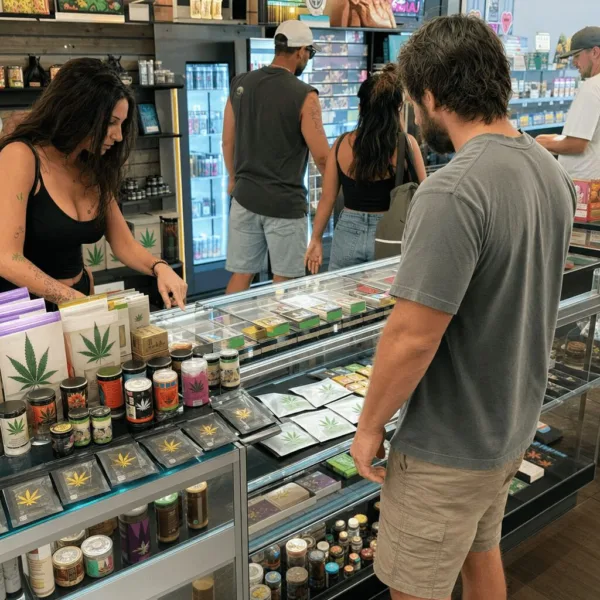
If you’ve noticed a growing wave of weed drinks on shelves, you’re not alone. THC beverage regulation has become a hot topic as both local and federal agencies try to keep up with consumer demand. According to MJBizDaily, more states are introducing standards addressing everything from dosage to packaging requirements, hoping to avoid the confusion seen in CBD beverage rollouts. With the cannabis beverage segment projected to hit multi-billion dollar figures, pressure from health authorities and market giants is shaping THC beverage regulation in unprecedented ways. Meanwhile, the patchwork of state laws leads to a sometimes wild west vibe, depending on whether you’re in a legal, medical, or prohibition state. Retailers and producers are learning that “compliance” now means understanding local, state, and, possibly soon, federal guidelines all at once. The ongoing discrepancy between state and federal law is complicating distribution and manufacturing, with NORML reporting that legal gray areas lead to legal headaches for everyone from business owners to the average consumer. As state and local authorities ramp up new ordinances affecting infused beverages, some have questioned if the new rules are a true game-changer or a burden on small businesses. This mirrors the significant questions raised in the impact of evolving THC beverage ordinances across the country.
Latest Developments: What’s Actually Going Down With THC Beverage Regulation?
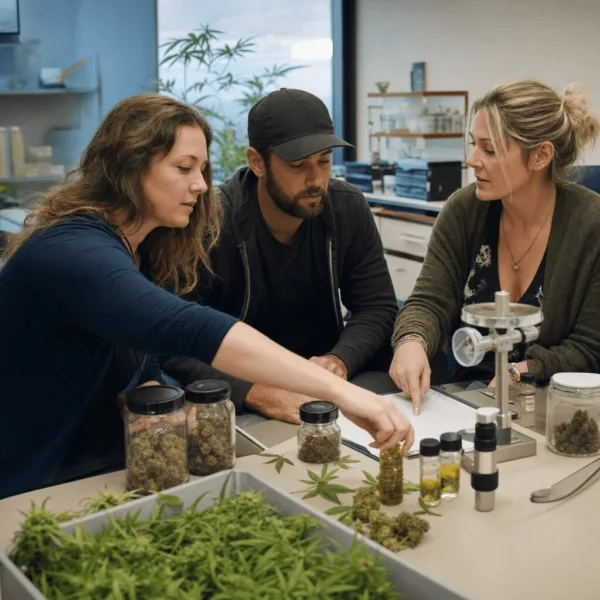
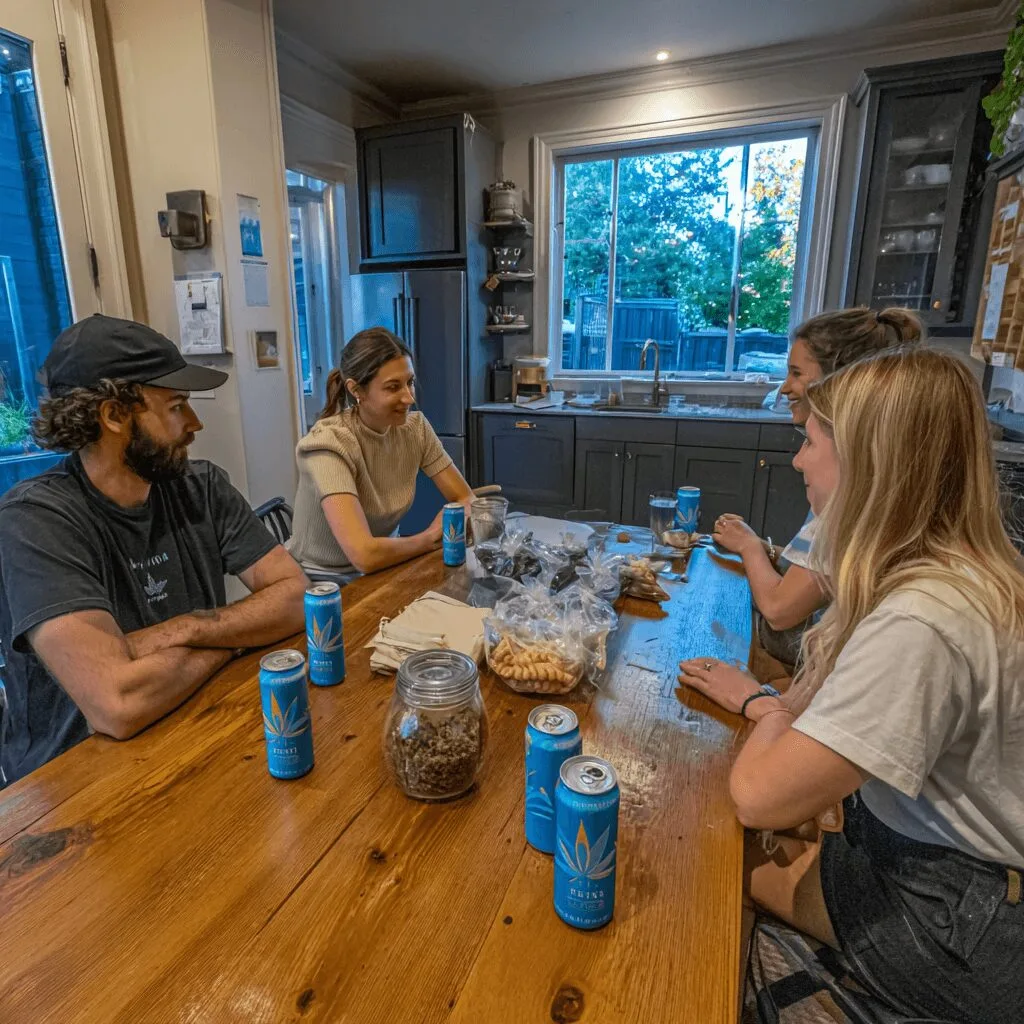
This year, the conversation about THC beverage regulation took a sharp turn as several states, including Minnesota and Illinois, started rolling out more robust rules for infused drinks. According to KXLG News, the issue came into focus when local businesses expressed concern about unclear guidelines on labeling and point-of-sale protocols. In Minnesota, recent legislation now requires precise THC content per serving, stricter child-resistant packaging, and new warnings for products that look too much like common sodas or juices. Enforcement is ramping up, with a spike in compliance checks and product seizures when labels didn’t meet new state criteria. These changes have been compared to regulatory overhauls seen in the hemp industry, where recent Congressional developments have had a significant impact on businesses. Producers are being urged to adapt quickly as state agencies threaten large fines, product recalls, or even operational shutdowns for repeat violations. The regulatory landscape continues to shift as larger beverage companies quietly explore entry into the market, while state departments, such as the Minnesota Department of Revenue, keep tightening definitions around manufacturing tax structures and enforcement. In the latest roundtable, industry legal teams and small business owners openly discussed the challenges of aligning innovative drink products with often vague or shifting laws, fueling ongoing debate and a massive rush of label redesigns across dispensary shelves.
Breaking It Down: Analysis From Industry Veterans & Pro-Cannabis Advocates
Let’s get real, THC beverage regulation presents both a headache and an opportunity for the cannabis crowd. Regulatory clarity is the golden ticket, but inconsistent enforcement can strangle startups while favoring those with deep legal pockets. According to a recent piece in Leafly, leaders stress the need for transparency, smart dosing, and honest education. Jane West, a noted cannabis entrepreneur, sums it up: “Legalization without well-crafted rules only invites confusion, good regulations protect both consumers and innovators.” (source: Leafly). Increasing business closures and product recalls, driven by unclear new laws, have made it essential for consumers and shop owners alike to stay informed about which regulations directly affect their local dispensaries, making resources on the impact of business closure laws particularly valuable. There’s a sweet spot, as detailed, fair laws paired with proactive education campaigns help both everyday drinkers and entrepreneurs. Advocacy groups point out that new regulations have already improved product safety and transparency in key markets. The push from both grassroots activists and responsible producers signals an industry maturing quickly. Social stigma is slowly giving way to curiosity, especially as high-profile chefs and beverage professionals start creating low-dose, approachable cannabis drinks. The journey ahead might be complicated, but most insiders agree it’s steering toward a safer, more open marketplace for everyone, whatever your relationship with THC may be.
The Road Ahead: THC Beverage Regulation and a Thriving Cannabis Future
One thing is clear: THC beverage regulation isn’t going anywhere, and that’s a good thing. As more consumers reach for cannabis-infused seltzers and tonics, the framework guiding these products is only going to get clearer and stronger. Expect retailers to tighten up, producers to get even more creative, and lawmakers to find smarter ways to balance safety and innovation. According to Statista, the cannabis drink market is set to surge in value over the next five years, signaling big wins for those willing to adapt to new regulations. So next time you crack open a can with a bold green leaf, remember: today’s challenges are tomorrow’s breakthroughs. By working together—regulators, advocates, and consumers alike—the cannabis community is blazing a trail toward normalization and wider acceptance, one regulated sip at a time.
Originally reported by: mykxlg.com
1 Comment
Pingback: Putnam County marijuana arrests: What really happened?