





THC Beverage Ordinance: What You Need to Know Now
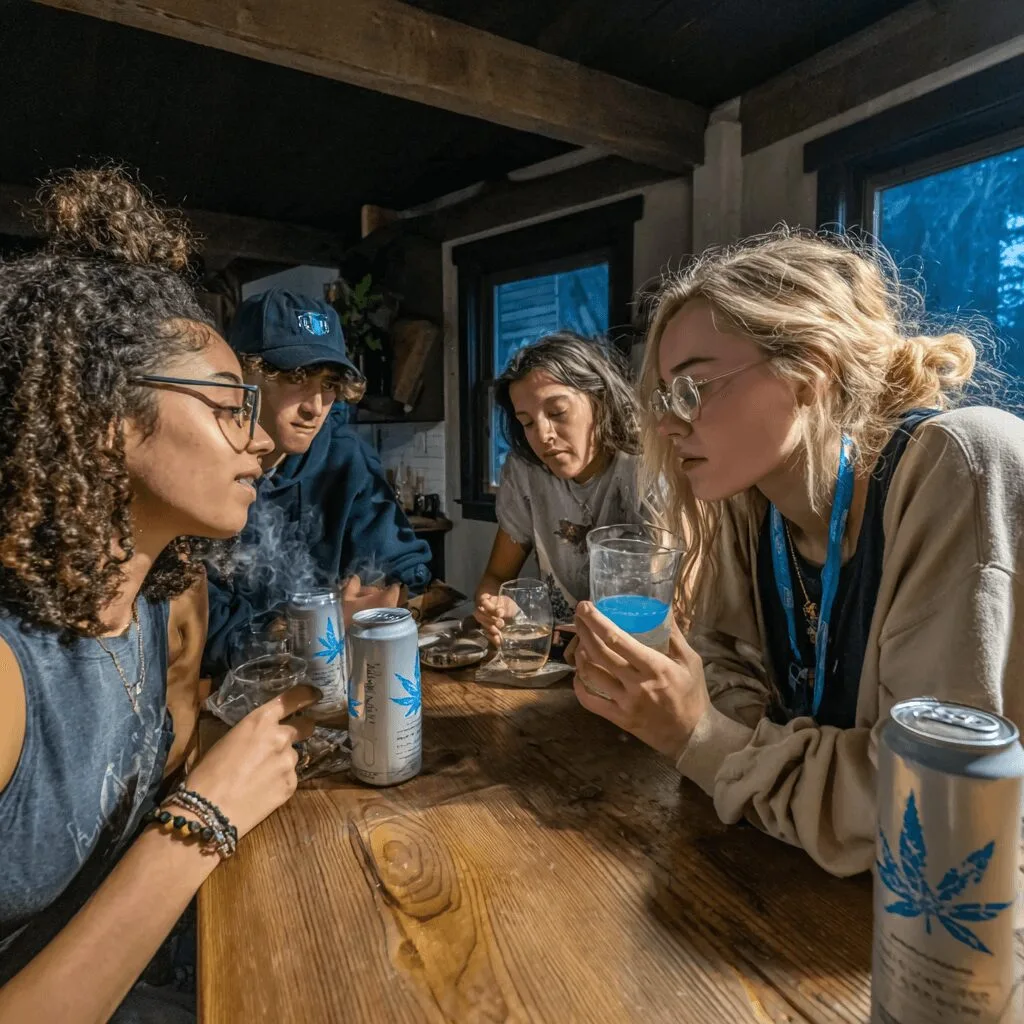
Why is everyone suddenly talking about the THC beverage ordinance? Simple. Cannabis-infused drinks are popping up everywhere, blending into mainstream culture and coolers alike. Regulators across the country are scrambling to keep up as consumers chug everything from low-dose THC seltzers to boutique cannabis mocktails. But as legal lines shift, businesses and drinkers alike need to know what the latest THC beverage ordinance changes mean. Let’s break down the trends, rules, and what makes this moment so essential for anyone eyeing the future of cannabis beverages.
The Regulatory Landscape: Understanding the THC Beverage Ordinance
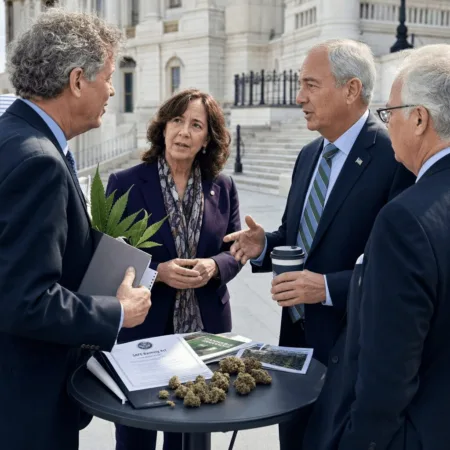
THC beverage ordinances have quickly become a flashpoint in cannabis debates across the U.S, as state and local governments rewrite rules almost in real time to address the explosive popularity of infused beverages. Some states, like Minnesota, have led the way by passing pioneering laws allowing low-THC beverages for adult use. According to Ganjapreneur, Minnesota’s legislation paved the way for hemp-derived THC drinks to be sold outside of dispensaries, sparking national interest. Regulatory differences between state and federal law, especially due to the 2018 Farm Bill legalizing hemp, have created patchwork standards. Recent changes at the federal level have contributed to this landscape, as noted by Cannabis Business Times, with states and municipalities left to get specific about their own THC beverage ordinance rules. Social shifts are pushing the market forward too as consumers want accurate labeling, responsible dosing, and public health transparency from brands. The drive toward normalization and proactive, smart regulation is at the core of the THC beverage ordinance surge.
Key Developments & Legal Issues Around THC Beverage Ordinance
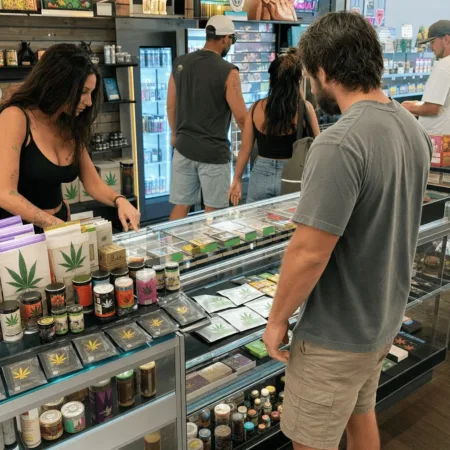
Recent moves to crack down or clarify the rules around cannabis drinks have had the whole industry watching. According to original reporting from KXLG News, new ordinances are already shaking up small towns and large cities alike. In South Dakota, municipal leaders convened public forums after local retailers started selling bright, bubbly THC beverages that caught consumers’ curiosity and concern. For example, one city council outlined precise restrictions on display, age verification for purchase, and product labeling to match public health guidelines as detailed by their legal staff. Regulations in other states are also being significantly revised, and some localities are investing in enhanced oversight for retailers, mirroring steps taken when violations at smoke shops brought increased scrutiny on the wider cannabis retail sector. The core legal issue centers on making sure THC beverages aren’t accidentally marketed to minors and that local shops follow dosage and licensing rules set by the updated THC beverage ordinance. These swift moves mirror regulatory trends sweeping through states such as Oklahoma, Michigan, and Illinois, where Law360 reports on ongoing legislative tweaks to keep the rapidly growing weed drink market in check while still allowing industry innovation. The timeline for rule implementation varies, but most localities are fast-tracking decisions to respond to booming demand and evolving consumption habits.
Expert Analysis & Broader Cannabis Insights
When it comes to the THC beverage ordinance, one thing is clear: the regulatory rollercoaster is just getting started. Industry insiders have recognized big changes as both a headache and a huge opportunity. Legal expert Jessica Billingsley, CEO of Akerna, was recently quoted in Forbes: “The path forward for cannabis drinks hinges on clarity—that means easy-to-understand laws for consumers, retailers, and producers alike.” She notes that transparency and consumer safety have propelled other cannabis categories out of the shadows; beverages are no different. This is echoed by Leafly analysts, who see the current wave of ordinances as a test of whether municipalities can balance innovation with responsibility. The broader industry trend is clearly toward normalization. As more states and towns pass their own THC beverage ordinance, major brands are watching closely—adjusting product formulations, updating packaging, and preparing for potential interstate commerce. Businesses are also watching for regulatory changes far beyond their state lines, particularly in regions with fast-changing rules, such as recent cannabis law shifts in Ohio that influence late-night city council decisions on infused drinks as the legal landscape for cannabis continues to evolve.
Future Outlook: Raising a Toast to the Evolution of THC Beverage Ordinance
Let’s be real—THC beverages aren’t going back in the bottle (pun intended). As lawmakers adopt clear THC beverage ordinances, consumers will benefit from safer products and the confidence to enjoy these drinks openly. Industry leaders remain optimistic. Recent projections from Statista show cannabis beverage sales expected to quadruple over the next five years. This momentum means smarter regulation, greater social acceptance, and a wave of fresh product innovation. As the world adapts, expect more states to fine-tune their THC beverage ordinances, blending safety and fun while keeping community standards top of mind. With responsible companies, informed consumers, and evolving laws, the future of cannabis drinks—and those who enjoy them—looks bright. Cheers to progress, and to everyone pushing the THC beverage ordinance forward into mainstream culture.
Originally reported by: mykxlg.com
1 Comment
Pingback: THC Beverage Regulation: What You Need to Know Now