
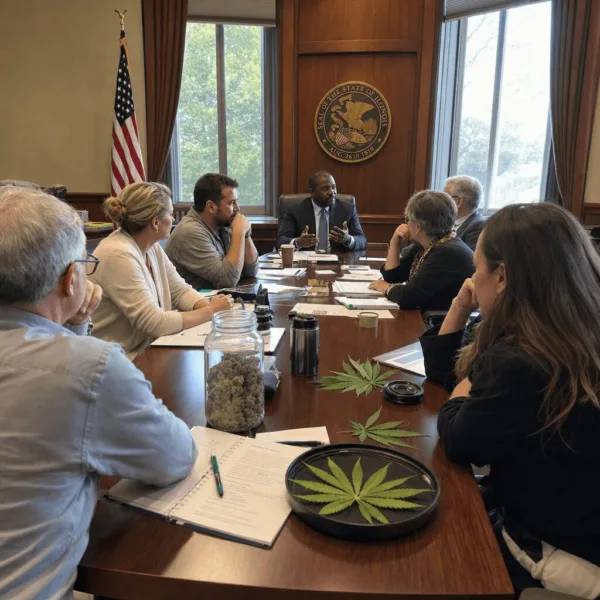
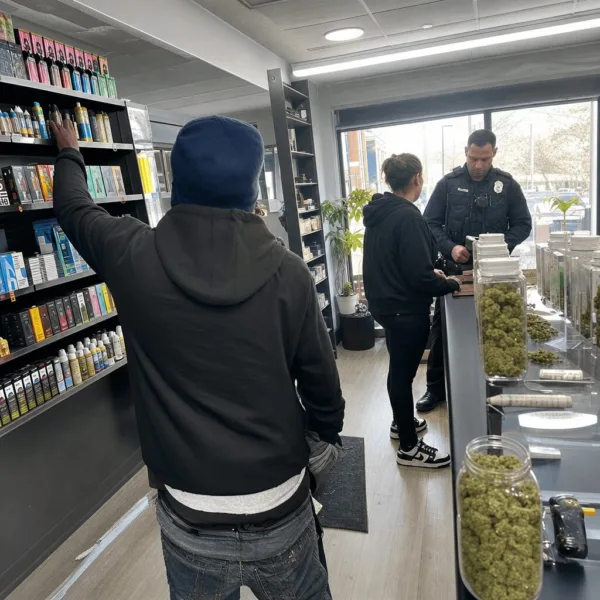



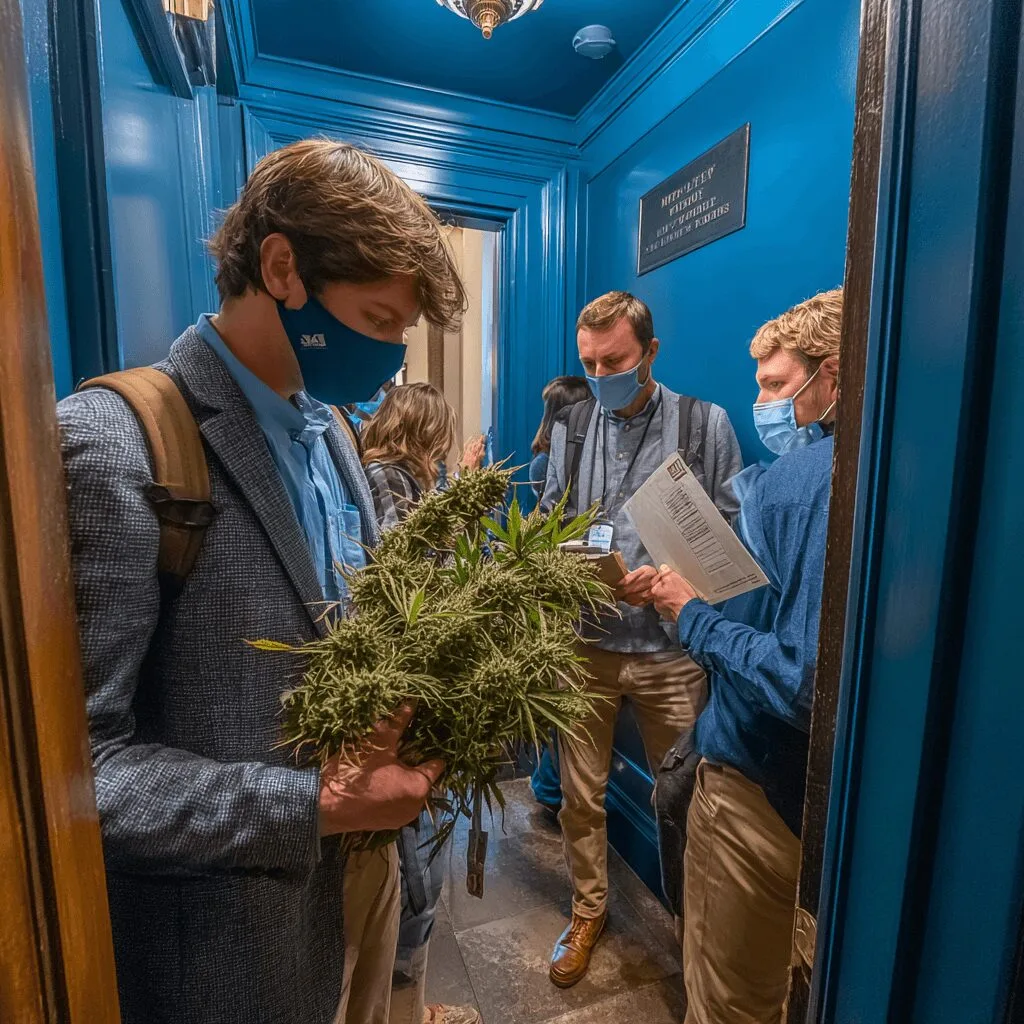
The future of hemp in America hangs in the balance as new policy moves fly under the radar. Recent headlines have put hemp industry regulation front and center for growers, processors, and entrepreneurs nationwide. As federal lawmakers make quiet but sweeping moves, everyone from farmers to consumers is feeling the ripple effects. Today, we’re breaking down why this debate matters now, what hidden challenges stalk the halls of power, and how grassroots voices are fighting to protect the future of hemp.
How Did We Get Here? The Roots of Hemp Industry Regulation in the U.S.
To understand the current hemp industry regulation mess, you have to look back to the landmark 2018 Farm Bill, which legalized industrial hemp federally in the U.S. after decades of prohibition, a move hailed by sources like the Forbes Cannabis Desk. The bill set strict limits: hemp crops must test below 0.3% THC, the psychoactive compound found in marijuana. If levels climb higher, entire harvests face destruction, even if by accident. This strict threshold was designed for legal clarity but became a headache for growers constantly walking a legal tightrope.
Since then, conflicting state, local, and federal rules have created a jumbled landscape. Some states support innovation, others erect confusing barriers. A few have banned smokable hemp flower entirely, while the DEA and FDA scramble to catch up, especially around CBD regulations (FDA briefing on cannabis regulation). Meanwhile, industry growth boomed, then stalled, thanks to ever-changing rules, making entrepreneurs feel like they’re rolling the dice on every compliance decision. These shifting boundaries mirror what local businesses face, as highlighted in this recent look at how closure laws threaten hemp shops nationwide.
Key Developments: Congressional Crackdowns and Industry Fallout
The hemp industry regulation landscape shifted fast in early 2024. In a move that caught even seasoned operators off-guard, Congress began attaching restrictive language to appropriations bills. The latest round, first highlighted by National Review in May 2024, specifically targets intoxicating hemp-derived cannabinoids like Delta-8 and Delta-10 THC, which had previously thrived in a legal gray area.
How intense is it? Lawmakers are proposing to redefine ‘hemp’ in federal law to effectively ban these derivatives nationwide, potentially shuttering thousands of small businesses and farm operations overnight. Several key players, like Hemp Benchmarks and advocacy groups such as the National Organization for the Reform of Marijuana Laws (NORML), say these changes could erase entire supply chains and crush rural economies just starting to recover from years of uncertainty. This legislative pressure comes as specific cannabis communities, such as the Omaha Tribe, have started setting bold new paths with their own regulations—see how local frameworks are evolving in this update on tribal cannabis law.
According to legal filings and detailed reporting by Marijuana Moment, the new amendments would supersede state-level protections, meaning states like Colorado and Oregon, who built vibrant hemp markets, would lose autonomy. The quiet nature of these legislative moves, tacked onto unrelated spending packages, has watchdogs and cannabis veterans calling foul.
Expert Analysis: What This All Means and The Counterpoints
For those living and breathing hemp, this surge in hemp industry regulation isn’t just another political cycle, it’s an existential threat and a wake-up call. As industry analyst Whitney Johnson, quoted in Leafly’s cannabis policy coverage, puts it: “Congress is legislating without listening, and it could wipe out a generation of hemp innovation.”
Legal experts note that Delta-8 products became popular largely because Congress left the original hemp definition too vague. Many in the space argue the better path would be for regulators to clarify and create product-specific safety rules, not blanket bans that punish businesses acting in good faith. Major trade groups, like the U.S. Hemp Roundtable, point out that with proper oversight, hemp-derived cannabinoids could remain both safe and profitable, just like other dietary supplements. Plus, bans rarely end demand; they often just drive it underground, making things riskier for everyone involved. As these debates unfold, changes in other segments of the wider cannabis market—such as manufacturing practices—show how regulatory clarity can support industry growth, as noted in this analysis on cannabis industry software advancements.
- Industry experts stress the value of third-party testing and transparent labeling.
- There is strong support for giving states more authority to set their own sensible rules.
- Strong patient and consumer demand for non-intoxicating CBD keeps pressure on Congress to tread carefully.
Where Do We Go Next? Hope, Adaptation, and The Road Ahead
Americans have shown time and again that they want both safe access to hemp products and reasonable, science-driven hemp industry regulation. Despite the current upheaval, market research from New Frontier Data shows hemp remains a $1 billion-plus staple across wellness, textiles, and farming. The community—growers, advocates, patients, and policy nerds alike—is more organized than ever before.
While Congress might be stuck in the past, change is bubbling up from the ground. State officials, consumers, and business owners are demanding regulation that’s rooted in reality, not rhetoric. If lawmakers listen, there’s a path forward where hemp not only survives but thrives—fueling jobs, supporting rural economies, and providing patients and consumers with much-needed products (see Cannabis Business Times for ongoing updates).
Keep your eyes open and your advocacy strong—because the story of hemp industry regulation is far from over, and the next chapter could be the one where the cannabis community finally wins big.
Originally reported by: nationalreview.com

1 Comment
Pingback: CanRenew cannabis grant funding: Apply for New Opportunities Now