Hemp Business Closure Law: What It Means for Your Local Shops
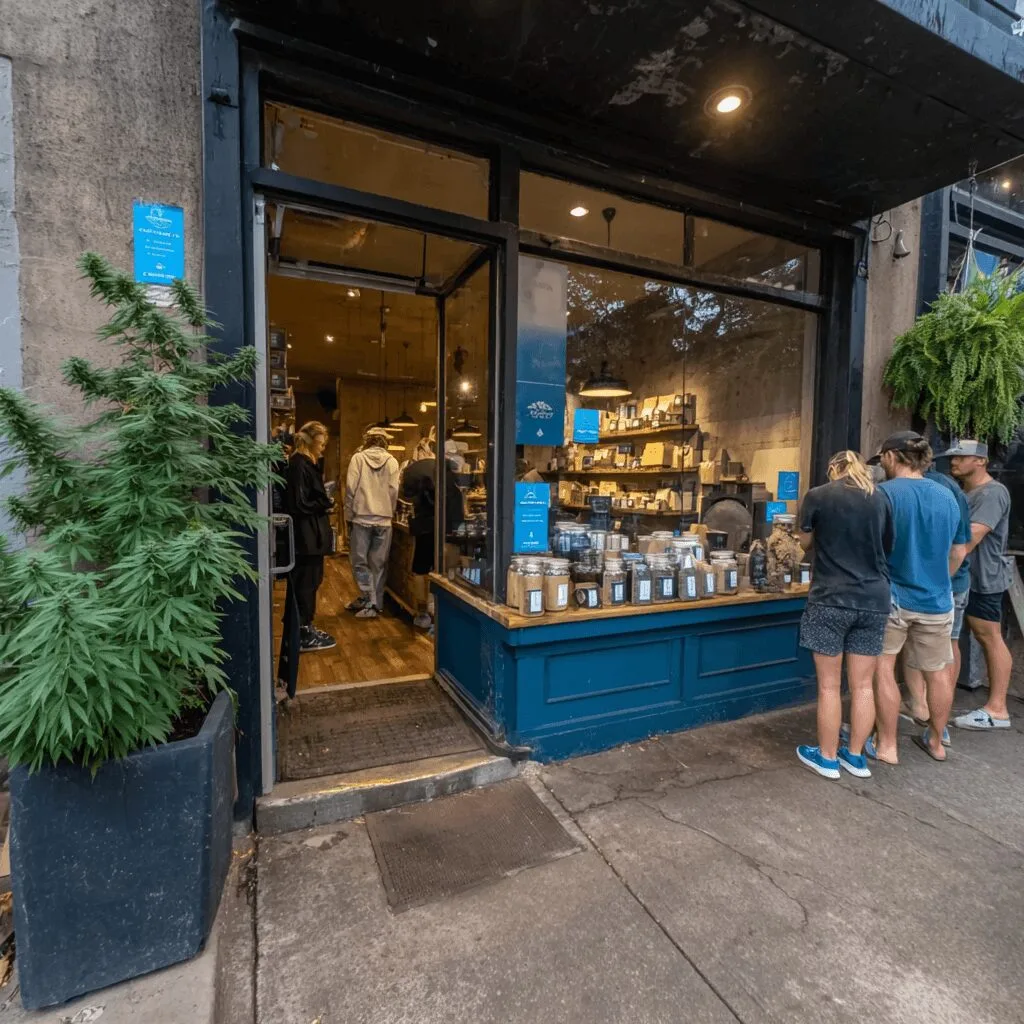
Ever notice those “Closed” signs popping up on beloved neighborhood hemp stores? If you’re a regular or just curious about the buzz, now’s the time to tune in. The hemp business closure law is shaking up the industry, triggering waves of concern among business owners, consumers, and advocates alike. With evolving regulations and shifting legal landscapes, it feels like the ground is moving under everyone’s feet. This piece dives into why this law matters, what’s changing behind the scenes, and why your next CBD run might be impacted by decisions made in the statehouse—not the greenhouse.
How We Got Here: The Regulatory Roots of the Hemp Business Closure Law
The rise, and sudden stall, of local hemp businesses across the U.S. is no accident. A patchwork of regulations keeps shifting the game. After the 2018 Federal Farm Bill legalized hemp, states scrambled to set their own rules. Some went all-in, while others grew wary about easily accessible cannabinoid products, prompting stricter measures. Social attitudes remain a mixed bag; despite record-high national support for cannabis reform according to Gallup, local lawmakers cite community health, delta-8’s gray area, and confusion around intoxicating hemp derivatives. Industry watchers will recall that a similar regulatory surge impacted tribal communities, as illustrated by recent changes in Omaha Tribe cannabis regulations. All these factors create a regulatory minefield for small entrepreneurs. Low margins and unpredictable laws mean running a local hemp shop isn’t for the faint of heart, and one swift policy shift can threaten a whole livelihood overnight.
Key Developments: The Latest Moves on the Hemp Business Closure Law
According to recent in-depth reporting by Bowling Green Daily News, proposed amendments to Kentucky’s hemp regulations have raised serious alarms for the state’s small businesses. The hemp business closure law, debated throughout fall 2025, is poised to restrict the retail sale of certain cannabinoid-containing products, including popular delta-8 and THC analogs, unless those retailers obtain costly licenses or meet new, complex compliance standards. Signs of worry are everywhere. Local shop Front Porch Farms reports, “We’re packing up inventory, waiting for clarity, but facing the possibility of shutting our doors by December if the law passes unaltered,” says owner Jessica Matthews. Legal filings submitted to Kentucky agencies show over two dozen retailers warning of immediate layoffs and losses if the legislation stands. Many cite ambiguous language defining ‘intoxicating’ hemp products as a core problem. From a broader industry view, facility challenges similar to the closure of the PharmaCann production site in Illinois are sending shockwaves through state markets. Industry groups like the Kentucky Hemp Association joined with farmers and product manufacturers to request clearer rules and fair pathways for compliance, but the legislative process marches on. If the law is enacted as written, reports suggest at least 60% of independent hemp retailers in the region could close within months.
Expert Analysis, Insights, and a Voice for Cannabis
So, what does it all mean? From an industry perspective, the hemp business closure law highlights both the promise and the growing pains in America’s post-prohibition experiment. On one hand, ensuring product safety and curbing sketchy operators is a noble goal. On the other, overzealous rules could crush established, community-based shops trusted for education, safety, and access. Leafly’s 2023 industry summary reminds us: “Overregulation can kill innovation and limit consumer choice, especially in tightly knit small-town markets.” And let’s not forget consumers: many rely on these CBD and minor cannabinoid products for real relief, especially in places where broader cannabis access is limited. As veteran hemp advocate and educator Amanda Litz says, “We need pragmatic guardrails, not a return to prohibition. Most local shops are run by folks who care about safety as much as their customers do.” Her point emphasizes that collaboration and smart regulation, proven through models like new approaches in Arizona marijuana product testing oversight, keep both whales and little fish surviving in the big pond. A human, lived-in approach to rules almost always produces better results than a one-size-fits-all clampdown.
Where Do We Go From Here? The Hemp Shop Horizon
The hemp business closure law casts a shadow, but not all is doom and gloom. As with every cannabis battle, resilience is the spirit of the scene. States like Colorado and Oregon have pioneered responsible, sensible regulation, showing a pathway forward (Oregon OLCC). Industry insiders expect more robust lobbying and grassroots organizing in coming months. If history (and some hard-earned advocacy scars) tell us anything, it’s that community-powered hemp shops won’t fade quietly. Yes, shops may close doors—but new doors will open, whether through legal pivots, better education, or a slow-and-steady evolution toward fair, consumer-friendly policy. The heartbeat of the movement remains strong. As acceptance and mainstream momentum grows, the hemp business closure law serves as a reminder: vigilance and voice matter. And one thing you can count on? The cannabis community never backs down from a worthy fight.
Originally reported by: bgdailynews.com