




Shocking Teacher THC Gummies Incident: What Really Happened?
The teacher THC gummies incident is making waves nationwide, stirring up fierce debates among parents, educators, and cannabis advocates alike. As THC-infused products go mainstream and adult usage outpaces tobacco in many cities, recent events have spotlighted school safety, packaging, and evolving cannabis rules. Today, we’re cutting through the noise to explore what went down in the classroom, why these high-profile cases matter, and where the cannabis industry—and public opinion—go from here.
The Regulatory Landscape Behind Cannabis Edibles in Schools
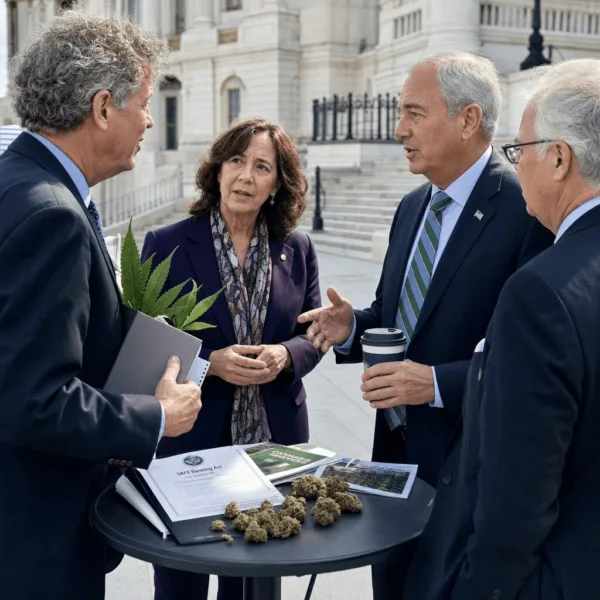
The teacher THC gummies incident brings to light the nuanced clash between cannabis legalization and public safety, especially when children are involved. In states like Indiana, where recreational cannabis remains illegal, law enforcement’s stance is clear: zero tolerance in schools, regardless of intent. Yet, as Leafly outlines, gray areas emerge when adults possess or use hemp-derived CBD products that mimic common snacks. This echoes ongoing concern in other regions, such as recent debates around Maine cannabis regulations that have sparked growing curiosity and concern. Nationally, regulators and watchdog groups, including NORML, have pressed for clearer packaging and stricter controls to prevent accidental ingestion by kids. School districts, responding to board pressure, have updated policies to reinforce strict no-cannabis zones, even as adult-use laws evolve. These policy moves stem from rising THC edible sales, now a multi-billion dollar market according to a Brightfield Group report, highlighting both opportunity and risk in the era of normalization.
What Really Happened: Unpacking the Teacher THC Gummies Incident
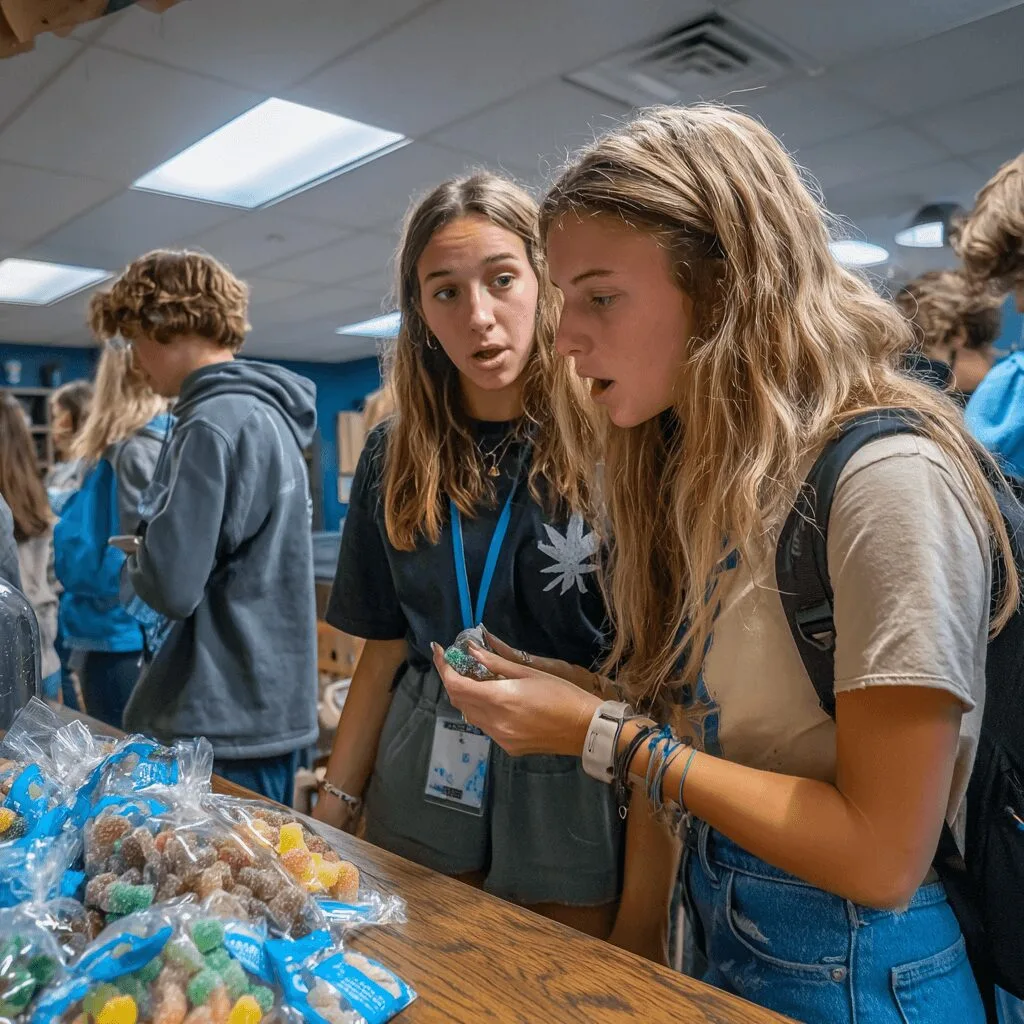
Let’s break down the facts. According to court documents reviewed by The Journal Gazette, an Angola, Indiana teacher allegedly brought labeled THC gummies—a cannabis-infused edible product—to campus on a normal school day. The incident came to light in June 2024, when it was discovered that several students ingested the gummies, mistaking them for regular snacks. Discussions around legal outcomes like this have intensified, particularly in the context of high-profile marijuana court cases that could reshape cannabis policy across the nation. Police reports detail that packaging resembled ordinary candies, lacking warning labels or discrete storage. The teacher, whose identity has not been publicly released pending legal proceedings, faces charges related to neglect of a dependent and maintaining a substance on school grounds, as detailed in the Indiana court filings. The situation escalated quickly, prompting school alerts to parents and the removal of any remaining edible products from staff areas. Media coverage by WANE News and other reputable outlets has amplified concern over both staff training and the packaging of edibles in legal and border states.
Expert Insights: Industry Voices and a Cannabis Counterpoint
This teacher THC gummies incident isn’t just a cautionary tale, it’s a teachable moment on broader cannabis normalization and the urgent need for education. Industry leaders have long warned that product packaging can be a double-edged sword. “We need packaging that never appeals to kids, think dull, tamper-evident, and adult-only,” says Morgan Fox, a director at the National Organization for the Reform of Marijuana Laws (NORML). According to MJBizDaily, industry analysts note that while unintentional exposures remain rare, cases like this spark outsized media attention by touching on fears around youth safety. The broader trend: growers and manufacturers now invest heavily in non-appealing, child-resistant packaging. At the same time, as new marketplaces emerge, there’s increasing discussion about how sudden changes and regulatory upheaval affect local communities, similar to concerns over the uncertain future facing local hemp farmers during regulatory shakeups. Cannabis advocates emphasize that prohibition or misinformation can lead to unsafe concealment or confusion. As Fox points out, the solution is clear guidance for adults, honest product labeling, and ongoing dialogue—not panic or prohibition. Social acceptance is rising, but so is the need for accountability when lines are crossed.
Looking Forward: Safer Schools, Smarter Laws, and Cannabis Acceptance
Reflecting on the teacher THC gummies incident, it’s clear that the road ahead favors smarter, more nuanced regulation—not reactionary crackdowns. As states fine-tune their cannabis laws and educators respond to new realities, the industry is stepping up with best practices and real solutions. According to an in-depth Forbes report, regulators nationwide are enacting tighter edible controls and better parental guidance tools. The cannabis sector, learning from every headline, now leads reforms that put child safety first—without rolling back progress on social equity or patient rights. After all, incidents like these aren’t just a setback; they’re a call to educate, innovate, and prove that responsible cannabis culture can coexist with community values. That’s a future worth building on.
Originally reported by: journalgazette.net


2 Comments
Pingback: Cannabis Commission Reform: Senate Bill Shakes Up Oversight
Pingback: Federal Hemp THC Regulations: What You Need to Know Now