



North Carolina hemp THC ban: What it means for you
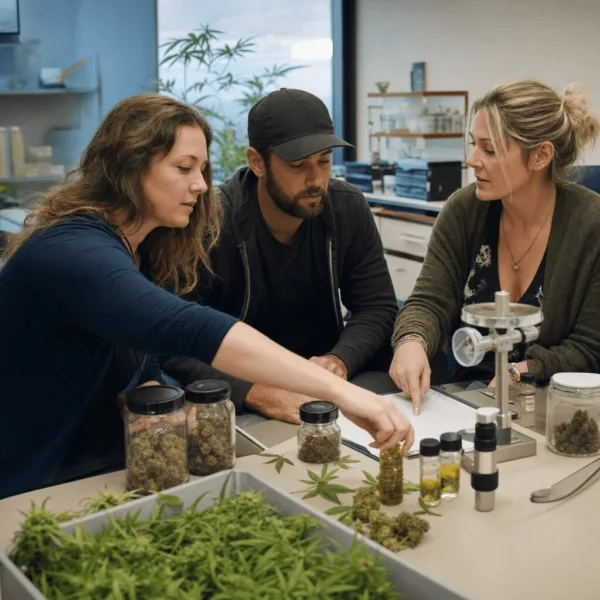
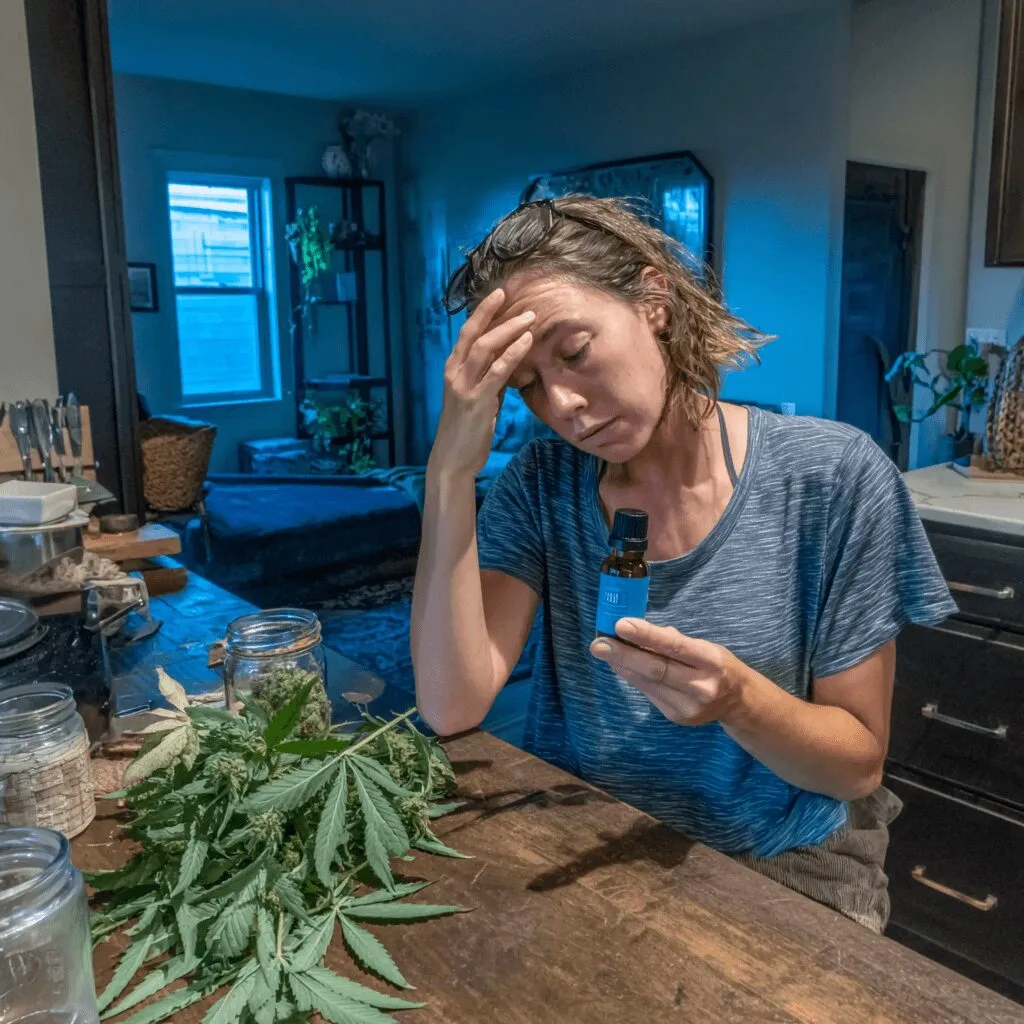
If you’re living in North Carolina or even just following cannabis news, the North Carolina hemp THC ban is making serious waves right now. With lawmakers gearing up for big legal changes, the future of hemp-derived THC products—think vapes, gummies, even tinctures—feels suddenly uncertain. This shake-up affects everyone from small business owners and farmers to regular folks seeking relief from pain and anxiety. In this deep dive, we’ll break down exactly what’s changing, why it matters, and what people on all sides of the Green Line are saying. Let’s get rolling.
The Complex Roots of North Carolina’s Hemp and THC Laws
Diving into the North Carolina hemp THC ban means understanding the gritty legal history behind it. Before the 2018 Farm Bill, hemp was still a no-go at the federal level, grouped in with cannabis as a Schedule I substance, regardless of THC content. However, the Farm Bill changed everything, legalizing hemp with less than 0.3% delta-9 THC and allowing states to carve out their own approaches. North Carolina quickly cultivated a thriving hemp industry. According to reporting from Cannabis Business Times, emerging synthetic cannabinoids like delta-8 THC and fresh extraction innovations left regulators racing to catch up. Lawmakers worried that potent products were reaching shelves due to gaps in the law, creating confusion over what was legal and driving rapid new restrictions. Meanwhile, medical cannabis progress in the state has lagged behind places like Virginia or Illinois, making hemp-derived THC crucial for both patients and entrepreneurs. These fears also echo debates heard recently in other states, where local businesses scramble to adapt to midstream bans and evolving rules, underscoring the kinds of upheaval detailed in recent Georgia hemp law changes. Across the board, advocacy voices warn that strict bans may drive the market underground, jeopardizing the state’s growing legal cannabis sector.
Recent Developments: Breaking Down the North Carolina Hemp THC Ban
Here’s the lowdown on what’s happened: On November 1, 2025, according to a WRAL News investigation, state lawmakers moved ahead with a ban on hemp-derived THC products above federally allowed limits. This is anything but theoretical, with enforcement actions already underway by agencies and the Department of Agriculture. The crackdown hits products like delta-8 and delta-10 gummies, vape cartridges, and tinctures that used to be found in CBD shops and even gas stations. Groups like Sacred Leaf, Pure Relief, and smaller dispensaries now face heavy new compliance demands. The state Attorney General has flagged unclear dosing and product safety concerns as key motivations. According to Marijuana Moment, this ban fits into a nationwide trend, with states such as Arkansas and Colorado launching similar efforts. The North Carolina hemp THC ban stands out, though, because the state’s market was among the Southeast’s strongest up until now. For a real-world parallel, consider how abrupt enforcement shook small-town cannabis stores, much as described by the story of Osseo’s evolving dispensary scene.
Expert Analysis & The Cannabis Perspective
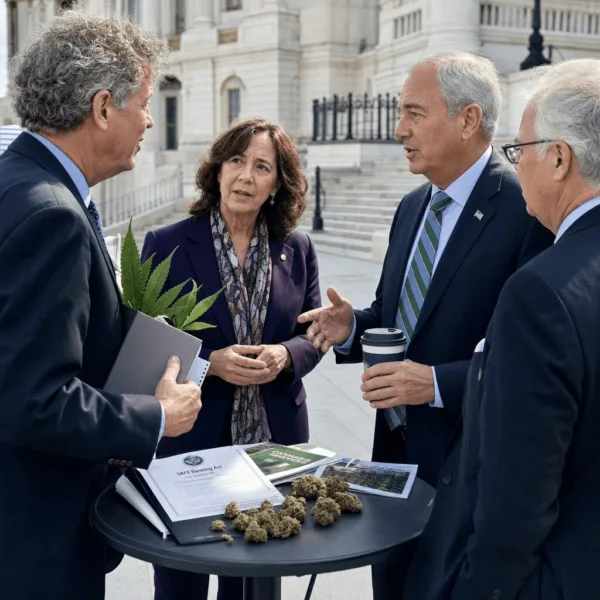
Within the cannabis advocacy community, it’s tough not to view the North Carolina hemp THC ban as a setback for local businesses and residents who rely on these products. This restriction is likely to reduce options for medical patients and cut off vital economic paths for farmers who have turned to hemp crops as tobacco demand declines. Experts from High Times Magazine suggest that outright prohibitions aren’t effective, urging for nuanced and transparent regulation instead. As Dr. Ethan Russo, a leading cannabis researcher, recently said, “Prohibitionist policies like North Carolina’s tend to harm patients and fuel illicit sales rather than solve real public safety issues.” The move spotlights how fragmented lawmaking in the USA puts businesses and consumers in unpredictable positions, varying widely community to community. While regulations that safeguard children are necessary, dismissing the significant medical and financial benefits brought by hemp-derived THC is short-sighted. Advocates nationwide, as highlighted by the scrutiny and reform call in recent cannabis industry legal battles, continue to press lawmakers for sensible, research-driven approaches that consider patient experience alongside public safety.
Looking Ahead: What’s Next for North Carolina and the Hemp Industry?
Despite tough headlines about the North Carolina hemp THC ban, it’s worth staying hopeful. The cannabis sector, both legal and underground, has always adapted to weird regulations. According to Leafly News, every new crackdown tends to spark innovation—think better lab testing, stronger advocacy coalitions, and new community-driven policy proposals. If there’s any silver lining, it’s the ongoing, passionate push for fair legalization and smart regulation that serves both safety and freedom. North Carolina’s hemp scene, shaped by resilient farmers and everyday users, isn’t likely to disappear—it’s more likely to evolve. For now, staying informed and staying involved are the best ways to help shape what happens next, as the national cannabis conversation grows ever louder.
Originally reported by: wral.com

2 Comments
Pingback: Melbourne peregrine falcons: Urban Flight Will Amaze You
Pingback: Unlocking Psychedelics Mental Health Therapy: What’s Next?