

RFK Jr psychedelics use: What Olivia Nuzzi Revealed
The conversation around plant medicine in America just hit a fresh high—for real, this time—thanks to RFK Jr psychedelics use being thrust into the spotlight. Whether you’re a cannasseur loosely following politics or someone who lives and breathes policy reform, the headlines on RFK Jr’s openness are impossible to ignore. It’s not just tabloid fodder: this is about a cultural and regulatory shift, pushing the boundaries of what’s acceptable for public figures and society alike. In this piece, I’ll break down what you need to know: the background, the budding legal context, the headline revelations, and where this could take both psychedelics and cannabis culture in the future.
RFK Jr psychedelics use: Shifting Laws, Shifting Minds
It’s not exactly news that America’s stance on psychoactive substances is changing faster than the THC count in designer strains. Cannabis reform is at the vanguard, but the push for psychedelics like psilocybin and ayahuasca has gone mainstream. According to NBC News, federal and state lawmakers are eyeing decriminalization and therapeutic use models, especially as research from institutions such as Johns Hopkins demonstrates real promise for mental health. Meanwhile, high-profile figures like RFK Jr put a recognizable face on a movement previously relegated to the fringes. Cannabis and psychedelics have always been intertwined in counterculture and holistic therapy, and now, thanks to regulatory changes in states like Oregon and Colorado, legitimate businesses are cropping up to meet demand. Issues of criminal justice reform remain front and center, as showcased by recent high-profile law enforcement actions stirring local debate in communities, such as controversial arrests in South Memphis. Make no mistake, the social context around RFK Jr psychedelics use is as much about modern wellness as it is about civil liberties and criminal justice reform.
Key Developments: Olivia Nuzzi’s Scoop and the Public Reaction
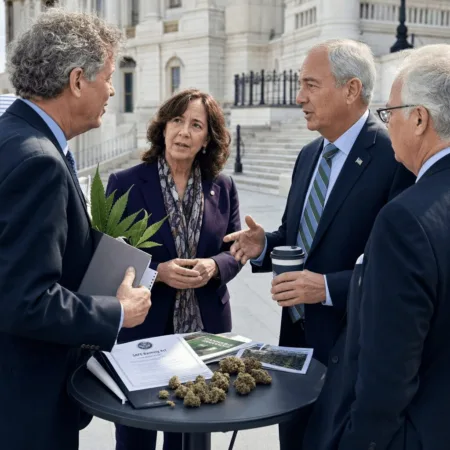
Journalist Olivia Nuzzi recently stirred the public with revelations regarding RFK Jr psychedelics use, putting the topic of personal plant medicine journeys front and center. As outlined in her HuffPost report, Nuzzi details that RFK Jr has reportedly participated in ayahuasca ceremonies and has a history of exploring psychedelics. This isn’t coming out of left field—RFK Jr has been openly supportive of drug reform, with his campaign making some bold policy promises (sometimes surprising even industry insiders). Public reaction has spanned the gamut from moral panic to enthusiastic applause. Critics cite RFK Jr’s use as questionable for a public servant. Supporters, on the other hand, see it as a forward-thinking embrace of science and spirituality. In places like Oregon, the first legal psilocybin therapy sessions have highlighted how local rule changes are evolving, sometimes in tandem with major lawsuits about taxation or industry structure, mirroring the recent Michigan cannabis tax dispute that brought national attention. On the legal side, it’s worth noting that, despite movement in states such as Oregon, psychedelics remain federally prohibited, highlighting the delicacy of this conversation within mainstream politics.
Expert Analysis: Contextualizing RFK Jr Psychedelics Use in the Cannabis Movement
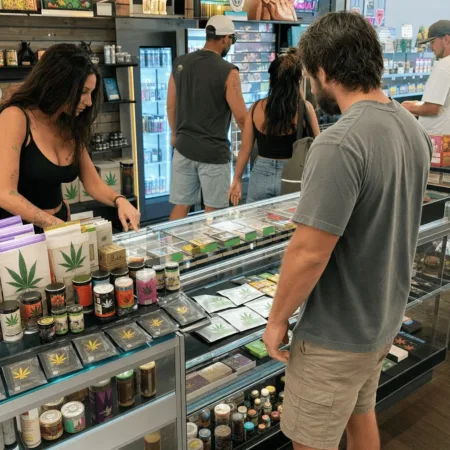
The RFK Jr psychedelics use storyline offers a fascinating window into how the public perceives leadership, wellness, and stigma. According to Marijuana Moment, developments like these give momentum to conversations about overlapping barriers and opportunities between cannabis and psychedelics. “There’s a growing recognition that safe access to these substances can transform lives, much like we’ve already documented with cannabis policy reform,” says Dr. Sunil Aggarwal, a leading palliative care physician and psychedelics researcher at the Advanced Integrative Medical Science (AIMS) Institute. In his view, destigmatizing high-profile use helps normalize much-needed research and public discussion. It also reveals the contradiction in harsh federal policies that lag behind both science and state experimentation. As the boundaries of legality and acceptance shift, new venues such as Chicago’s North Side dispensaries near Wrigley Field demonstrate how mainstream cannabis retail has become, paving the way for broader conversations about psychedelics too. Industry veterans will point out that the cannabis movement paved the way for what we’re seeing now in psychedelics. From medical acceptance to harm reduction, the parallels are uncanny and instructive for advocates everywhere. Every time a public figure like RFK Jr opens up about psychedelics, it’s another crack in the stigma wall.
Looking Forward: How RFK Jr Psychedelics Use Could Shape Tomorrow
The RFK Jr psychedelics use headlines are more than political drama—they’re a snapshot of a fast-evolving cultural landscape. Sure, there’s pushback. But public conversations, led in part by figures willing to own their journeys, mark a hopeful direction for proponents of plant medicine and reform. As Leafly’s review of 2024 political cannabis positions reveals, candidates from both major parties are being forced to address reforms head-on, signaling more change is likely on the horizon. The cannabis industry’s story is one of resilience and constant evolution, and the psychedelic space is quickly catching up. If RFK Jr psychedelics use can spark honest debate and even legislative momentum, the outlook for safe, regulated access only gets brighter. One thing’s for sure: we’re just getting started on this trip.
Originally reported by: huffpost.com