




Congress Delta 8 THC Policy: Shocking Government Moves!
Right now, the debate around the congress delta 8 thc policy is heating up on Capitol Hill. With lawmakers weighing new restrictions on hemp-derived cannabinoids, the entire cannabis industry is holding its breath. If you’re a cannabis enthusiast or a wellness advocate, these regulatory changes aren’t just headlines—they might impact your daily life and the available products on the shelves. Let’s break down what’s happening, why it matters, and where things could go next as government officials ramp up legislative attention on Delta-8 THC.
Background: How We Got Here, The Chaos of Delta 8 THC Regulation
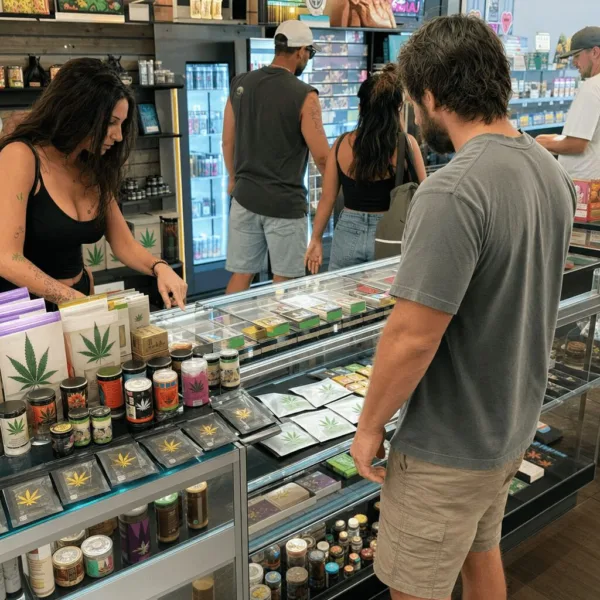
To really understand the congress delta 8 thc policy debate, you’ve gotta look back at the 2018 Farm Bill. This landmark law legalized hemp, setting the stage for a flood of new cannabinoids, like Delta-8 THC, on the market. According to Marijuana Moment, the federal government’s definition of hemp includes all derivatives containing less than 0.3% Delta-9 THC. Smart operators quickly saw a loophole, fueling a boom in Delta-8 THC products, including edibles, vapes, and tinctures. But here’s the twist: Delta-8 is psychoactive, yet nowhere near as tightly regulated as its cousin Delta-9 THC.
This ambiguity put federal and state agencies in a tough spot. Lawmakers, health agencies, and retailers got stuck in a tug-of-war over what’s legal, safe, and fair. The FDA and CDC have raised concerns about consumer safety and product mislabeling. Meanwhile, cannabis advocacy groups push for rational regulations, not blanket bans, emphasizing the wellness potential of cannabinoids when handled responsibly. Bottom line, the congress delta 8 thc policy fight is about public health, legal clarity, and the fast-evolving cannabis marketplace.
In states weighing local cannabis business impacts, the Minnesota hemp THC bill debate has become a revealing battleground for how Delta-8 THC and similar products could shape the landscape of cannabis regulation nationwide.
Key Developments: What Congress and Regulators Are Doing Now
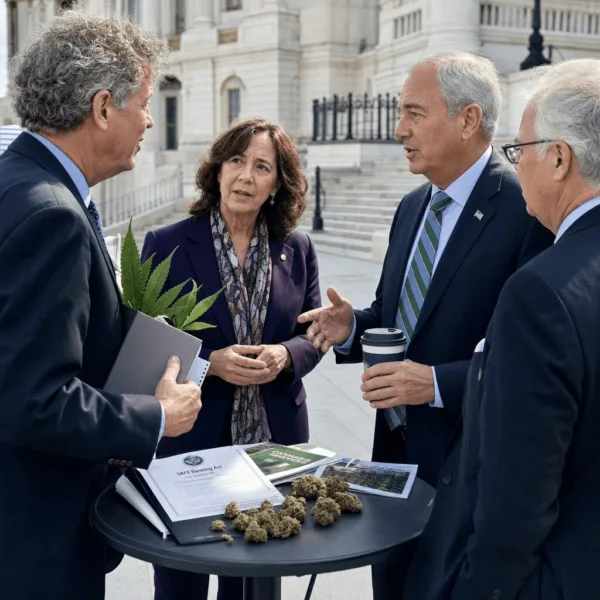
On June 1, 2024, congressional leaders moved forward with new spending legislation that reopens the government, while also reviving debates on hemp-derived cannabinoids like Delta-8 THC. According to a recent Cato Institute report, lawmakers are considering language that could restrict or even ban Delta-8 THC products at the federal level. Industry sources at Hemmfy highlight growing pressure from both state officials and federal agencies urging a regulatory crackdown.
Multiple states, including Texas, New York, and Illinois, have already moved to restrict Delta-8 THC with emergency bans or new legislation. Meanwhile, the FDA has issued several warnings about unregulated Delta-8 products, citing safety concerns and misleading labeling (FDA official site). The congressional debate now revolves around whether to close the Farm Bill ‘loophole’ and add explicit language banning or heavily restricting Delta-8 and similar compounds. This move has significant implications for states with unique regulatory landscapes. For instance, THC edibles regulation in South Carolina highlights how different regions are handling shifts in cannabinoid oversight.
Advocates warn this could severely disrupt the fast-growing Delta-8 industry, impacting companies, retailers, and especially medical or adult-use consumers relying on these products. The congress delta 8 thc policy is at a defining crossroads, with every stakeholder watching for the next big political move.
Expert Analysis & Industry Perspective: What’s at Stake for Cannabis?
The congress delta 8 thc policy debate is more than just politics, it’s a litmus test for the entire hemp- and cannabis-derived marketplace. As legal ambiguities pile up, the risk of creating an unregulated gray market grows. According to NORML and other national advocacy groups, overregulation could push both consumers and entrepreneurs underground, making it harder to assure safety and quality.
Veteran cannabis attorney Rachel Gillette of Green Entrepreneur told industry reporters: “Outlawing Delta-8 without robust alternatives or guidance doesn’t address demand, it simply penalizes responsible actors and pushes innovation offshore.” She’s not alone. Leaders from the U.S. Hemp Roundtable warn that sweeping federal action risks harming small businesses, cutting off patients, and creating a patchwork of conflicting rules.
Industry experts report that consumers flocked to Delta-8 products because of their milder effects, accessibility, and legal status—especially in states with limited or no access to regulated cannabis. “Our customers tell us they need options that are safe, transparent, and legal,” states a recent Leafly survey—and that flexibility is why regulating, not banning, is crucial. The congress delta 8 thc policy question cuts right to the heart of America’s evolving relationship with cannabinoids and plant medicine. These discussions are especially timely in the context of ongoing debates about hemp THC bans and legislation shaping the future of CBD and industrial hemp policy.
What’s Next? Congress, Delta 8, and the Future of Cannabis
While congress delta 8 thc policy debates feel tense, the overall cannabis industry continues surging forward. Forward-thinking states, entrepreneurs, and advocacy groups champion modern regulations balancing safety with innovation. According to recent Benzinga market data, legal cannabis is set to hit $34 billion by 2025.
As lawmakers sort out the details, proactive dialogue between government, industry, and consumers can set smart rules instead of kneejerk bans. If history is any guide, opponents of progress will keep trying to tie up the hemp and cannabis movement—but the demand for safe and effective cannabinoid choices is only growing. Stay tuned, stay informed, and stay vocal: the future of the congress delta 8 thc policy—and the broader cannabis culture—depends on all of us who value access, safety, and positive change.
Originally reported by: cato.org

1 Comment
Pingback: Senate ban THCA: What the New Law Means for Cannabis Users