





Kerala major drug bust: Massive Seizure Shocks State
If you’ve spent even five minutes with your nose in the latest headlines, you already know why the Kerala major drug bust matters. The cannabis landscape in India is changing fast, with authorities and advocates often clashing over what the future should look like. Now, a new, headline-grabbing incident—where kilos of cannabis, meth, and MDMA were seized—has everyone talking. Let’s break down how this impacts not just Kerala, but the country’s broader relationship with cannabis. Buckle up, because there’s way more here than just another police raid.
Kerala’s Cannabis Crossroads: Background & Social Context
Kerala isn’t just famous for its backwaters and Ayurveda, it’s at the intersection of tradition, reform, and legal gray zones. The state historically maintains a stringent stance against recreational drugs, anchored in the Narcotic Drugs and Psychotropic Substances Act (NDPS Act) 1985. While some countries are rolling out red carpets for progressive cannabis policies (see Leafly’s world cannabis law updates), large swaths of India still treat possession as a criminal matter. For comparison, consider how the conversation around pain management and the role of cannabis in opioid reduction has shifted in other places, as seen in ongoing global debates on pain relief alternatives.
Social perceptions in Kerala trend conservative. Even limited medicinal cannabis discussions face significant pushback, often fueled by fears of youth addiction and rising crime statistics. Despite this, Kerala houses a vibrant underground culture that has kept cannabis a persistent, if controversial, part of local life (see Hindustan Times: drug seizures in Kerala report).
Kerala Major Drug Bust: Key Developments & Core Facts
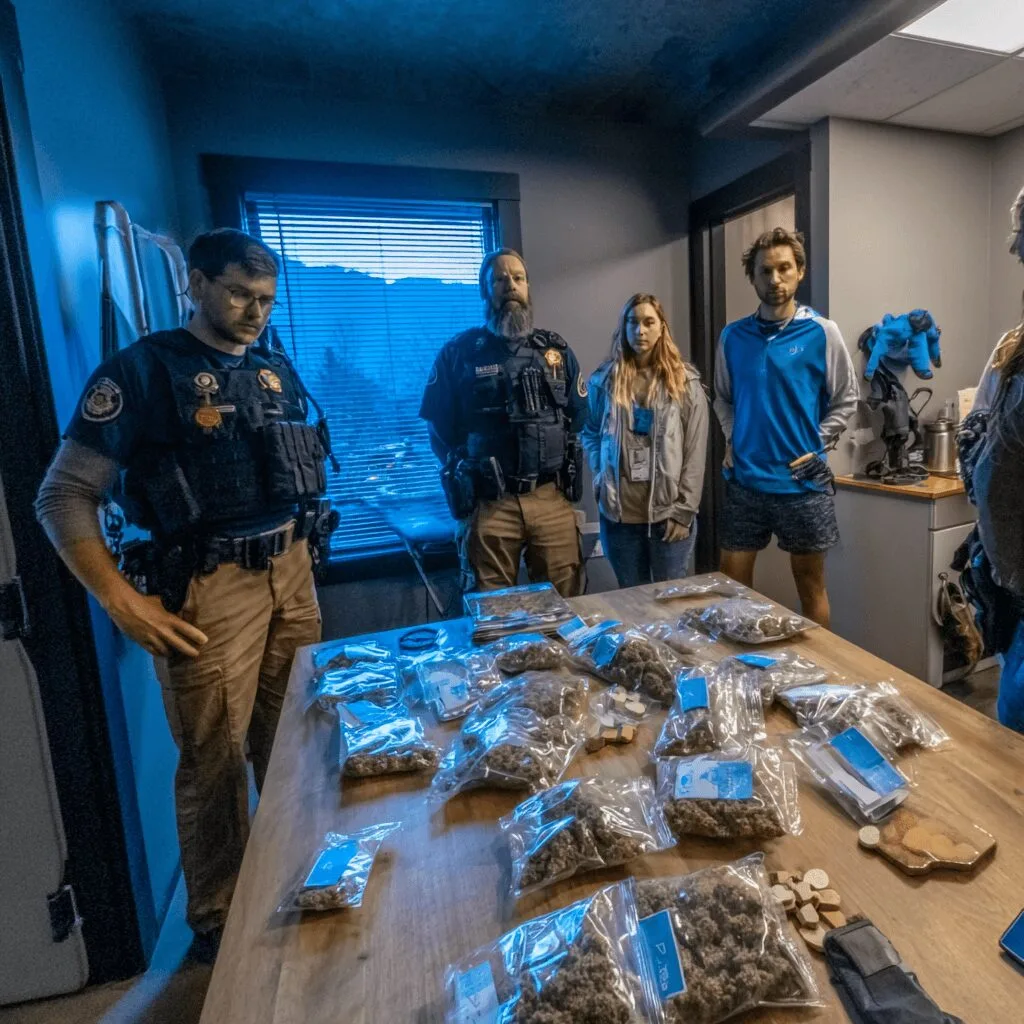
Let’s get straight to the headlines: On June 2nd, 2024, Kerala’s law enforcement carried out a major drug operation resulting in the arrest of three individuals and seizure of sizable quantities of narcotics, including cannabis, methamphetamine, and MDMA. According to NDTV’s coverage, the bust went down in Ernakulam district, with the police swooping in after a tip-off. What stood out? Several kilograms of cannabis buds, packets of pills, and powdered meth were bagged as evidence. In the wake of the Kerala major drug bust, the swift police response and evidence parade—think large bags labeled and sorted, officers in both uniforms and plainclothes standing by—sparked new debates over policy. Concerns about trafficking and substance abuse in youth culture have also been rising, much like ongoing conversations around how substances like cannabis and binge drinking impact young people, discussed at length in recent youth influence studies. While police framed this as a huge win in their ongoing crackdown, the images and quick media coverage kicked up fresh debate on cannabis regulation, particularly as Kerala battles changing trafficking patterns and growing black-market proliferation (see Times of India’s local report).
Expert Analysis & Pro-Cannabis Counterpoints
Big seizures like the Kerala major drug bust highlight a tension, between punitive enforcement and modern cannabis reform. While it’s a given that synthetic drugs and trafficking networks deserve serious crackdowns, lumping natural cannabis—especially unadulterated plant buds—into the same basket as harder narcotics doesn’t reflect science or global industry standards. According to Cannabis Health News, several leading Indian researchers point out, “With appropriate regulation and education, cannabis can be separated from the harms of synthetic street drugs.” Across the globe, regulation (rather than zero-tolerance) has reduced illicit use and increased tax revenues, as observed by regulatory bodies in Canada, Uruguay, and the United States (Health Canada). Meanwhile, Indian industry leaders—including medical professionals and agronomists—routinely advocate harm reduction, decriminalization, and medicinal use through pilot programmes. For example, Dr. Surendra Kumar, a public policy specialist, states: “Blanket bans waste resources and ignore potential economic and therapeutic gains from cannabis regulation,” as highlighted in Business Standard. Additionally, ongoing efforts to update hemp regulations have become a major legislative focus, seen in recent developments such as recent Senate initiatives in hemp law.
Future Outlook: Growth Amid Controversy
What does the future look like after the Kerala major drug bust? Here’s the optimistic twist: as stories like this grab headlines and drive public debate, more citizens and policymakers are engaging with cannabis’s complex reality. The global trend is moving swiftly—in 2024, over 50 countries are reviewing cannabis laws, and the World Health Organization has repeatedly urged scientific, public-health-driven cannabis policy (WHO).
Closer to home, Kerala’s own history of medicinal plant use and its educated electorate could make it an incubator for more rational, evidence-based regulation in the years ahead. We can expect courts, state governments, and thought leaders to keep voicing support for reform—one debate at a time. The cannabis industry’s best days are ahead, with more respectful dialogue and smarter policy on the horizon.
Originally reported by: ndtv.com
1 Comment
Pingback: Federal Marijuana Regulations Economy: Game Changer Ahead?