

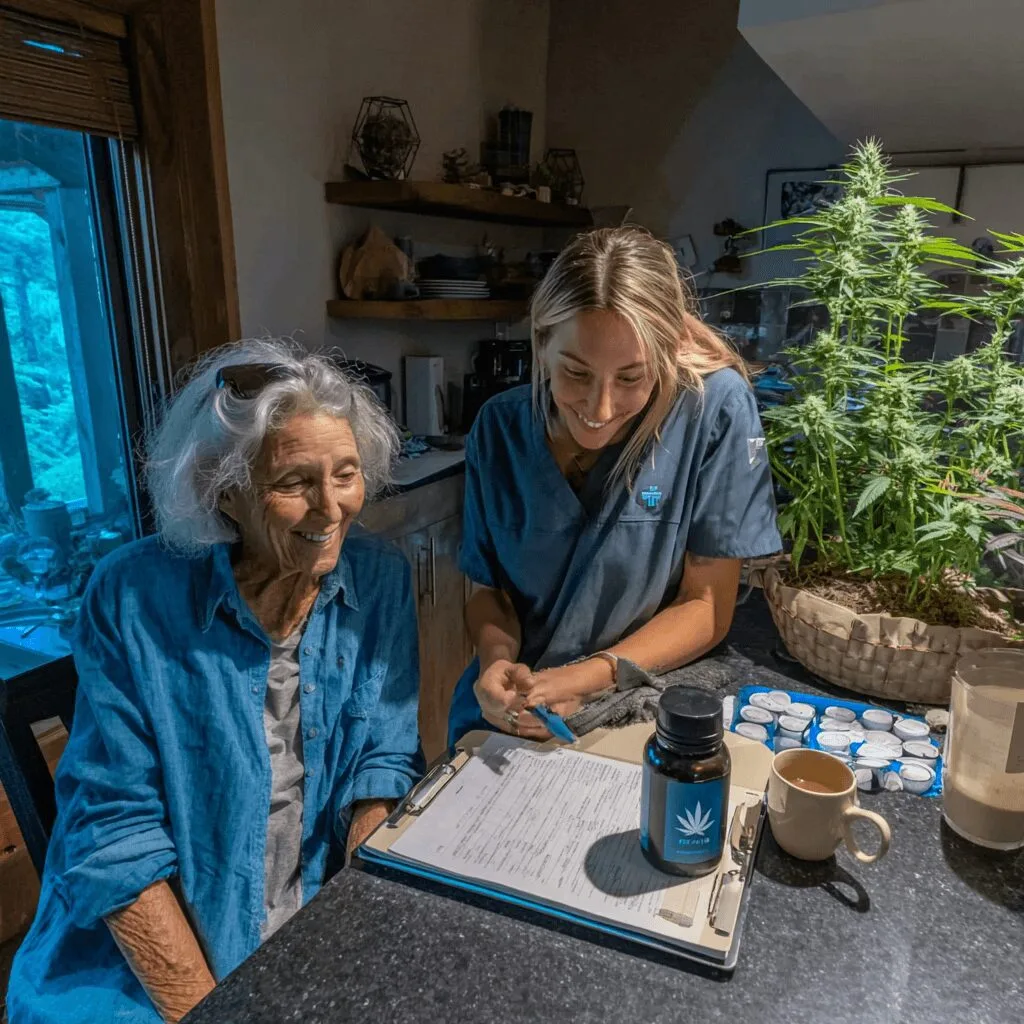
THC CBD Dementia Treatment: Surprising Breakthroughs Revealed
Lately, the intersection of cannabis science and senior care is buzzing—and for good reason. With the spotlight firmly on “THC CBD dementia treatment,” headlines and industry insiders can’t stop talking about the compelling gains seen in recent studies. As rates of cognitive disorders climb and conventional pharmaceuticals find critics, new hope is springing from cannabis research. This article dives into what’s new, why it matters, and how these cannabis-derived therapies could change the face of dementia care forever.
Understanding the Cannabis Landscape: Regulatory and Social Context
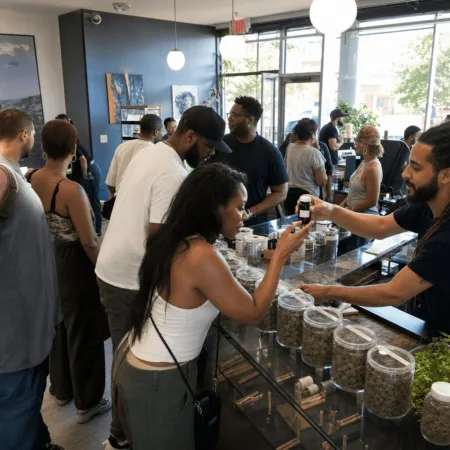
The past decade has been a game-changer for regulated cannabis. Legalization efforts in countries like Canada, progressive U.S. states, and key European nations have driven explosive growth in medical cannabis markets (Statista). With regulatory bodies such as the U.S. Food and Drug Administration green-lighting limited research, the stigma once attached to the plant is steadily giving way to curiosity and investment. Meanwhile, advocates, patient groups, and healthcare professionals are pushing for reforms and funding.
Against this backdrop, the conversation around THC CBD dementia treatment has intensified. Social perceptions are evolving, and the local scene has seen big implications as changes ripple through, much like what happened during the aftermath of high-profile enforcement actions in local communities. The market’s maturing, patient-driven focus is shaping how families, older adults, and clinicians approach alternative dementia therapies. Still, patchwork state and federal laws create barriers, making clinical access and broad scientific study tough.
Pioneering researchers and forward-thinking care facilities are undeterred. Every new peer-reviewed study shared in outlets like Cannabis Business Times adds momentum to calls for expanded medical use and clearer regulatory frameworks. The clear trend, cannabis-derived dementia therapies are moving from fringe to forefront.
Major Developments: Clinical Insights and Industry Moves
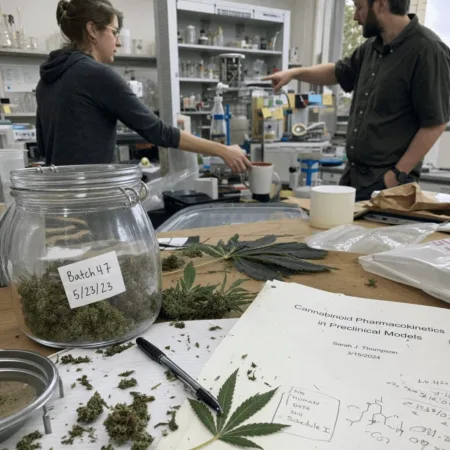
Groundbreaking news just hit the cannabis world, reported by Cannabis Science & Technology. This recent observational study tracked dementia patients given a specific blend of THC and CBD extracts. Researchers saw measurable improvements in cognition and quality of life. This isn’t just anecdote, these results mark a pivotal leap for THC CBD dementia treatment.
Key details from the piece, The study involved dozens of elderly dementia patients in a specialized care facility. Over several months, patients received controlled doses of THC/CBD oil extracts, guided by medical professionals. Family members and staff documented noticeable enhancements in patient mood, memory, and communication skills. Unlike previous small-scale pilot studies, this program used structured monitoring, lending credibility to the findings.
Legal context is also evolving. According to Leafly’s 2023 regulatory round-up, more states and countries are adding dementia to medical cannabis qualifying conditions. These moves are part of a series of surprising changes shaking up local regulations, echoing the shifting landscape detailed in Michigan cannabis news. Clinics and product innovators, like those highlighted at the Medical Cannabis Conference, are jumping in. The upshot, the sector is moving from isolated caregivers experimenting at home to large-scale, clinically validated cannabis dementia solutions.
Expert Perspective: What the Data Really Means for THC CBD Dementia Treatment
Let’s call it like we see it, early buzz about THC CBD dementia treatment wasn’t all sunshine and rainbows. Skeptics worried about safety, dosage, and potential side effects, especially for vulnerable seniors. But emerging research and real-world results are shifting that narrative fast.
According to Dr. Ethan Russo, board-certified neurologist and prominent cannabis researcher, “We’re witnessing the beginning of a paradigm shift in geriatric care. Controlled cannabinoid therapy, when properly monitored, offers a unique quality-of-life boost for patients who simply haven’t responded to standard drugs.” (Project CBD).
Industry analytics from New Frontier Data confirm that medical cannabis use among seniors has doubled in the past five years, with dementia diagnoses driving increased demand. Scientists caution against over-hyping preliminary data. Facing similar challenges as those documented in recent reports about research obstruction and regulatory hurdles, the consensus is clear, a real medical role is emerging for cannabinoid dementia therapies.
The cannabis movement rarely gets a straight road. Physicians call for bigger, randomized, double-blind trials. Regulatory agencies, like the FDA, remain wary but open, especially as anecdotal successes turn into publishable, peer-reviewed science. It’s an exciting, pivotal era for cannabis advocates and doubters alike.
Looking Ahead: Cannabis at the Forefront of Dementia Care
With every new clinical breakthrough and patient success story, the legitimacy of THC CBD dementia treatment grows. Social acceptance is catching up—more families are advocating, more doctors are curious, and regulators are taking notice. If current trends hold, cannabis-derived dementia therapy will soon be part of mainstream care plans, not just whispered about among adventurous caregivers.
As medical cannabis markets mature and public education improves, big changes lie ahead. According to Cannabis Business Times, investments in research, new product development, and physician education are hitting all-time highs. So, if the past few years are any indication, expect to see even more compelling evidence and expanded regulatory approvals on the horizon.
It’s safe to say that the cannabis community—patients, advocates, and clinicians—are not just rolling the dice on hope. They’re banking on science, empathy, and a future where dementia patients finally get a holistic, effective set of options. Here’s to seeing THC CBD dementia treatment lead the charge in compassionate, innovative healthcare for all.
Originally reported by: cannabissciencetech.com