





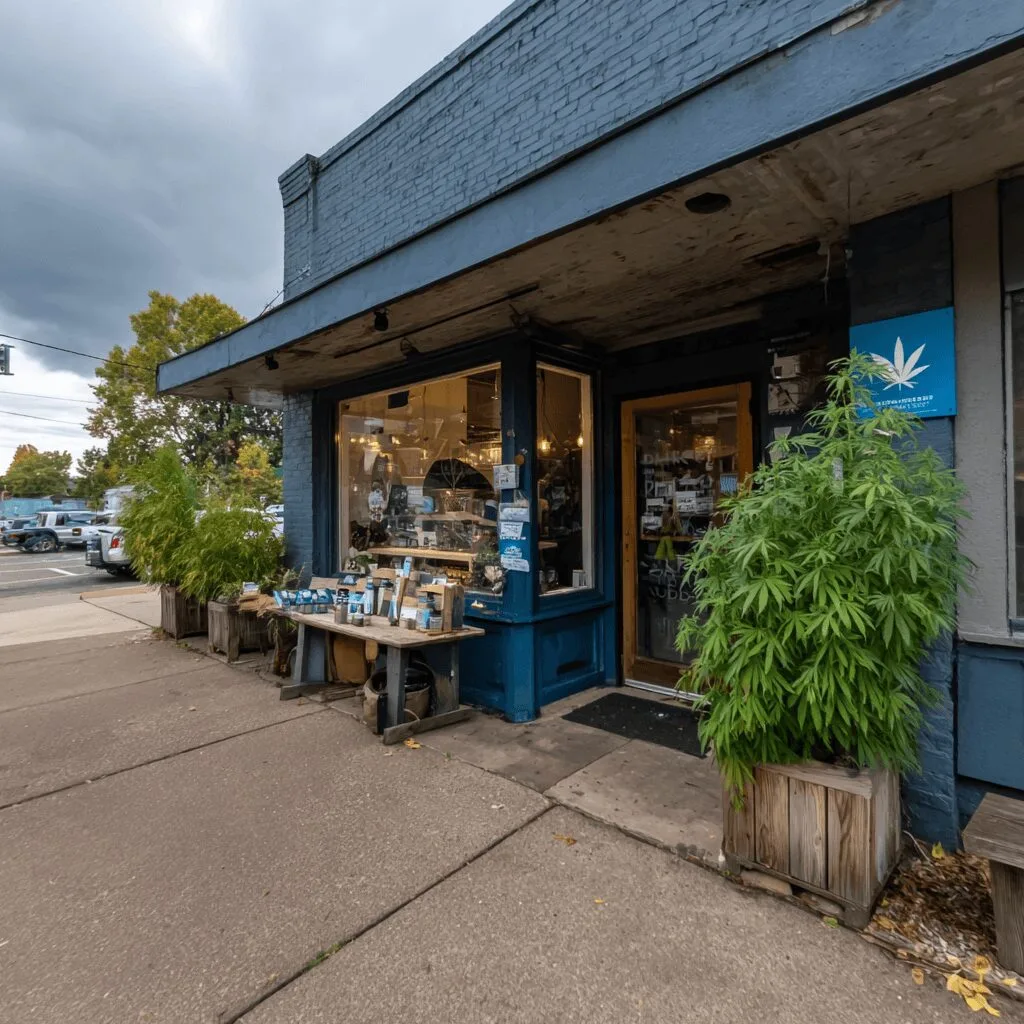
Michigan marijuana shop bans spark debate in border towns
Right now, Michigan marijuana shop bans are making headlines in border towns near Indiana and Wisconsin. As more voters make bold decisions about retail marijuana, local economies, cannabis consumers, and even law enforcement are feeling the shake-up. Why are these bans happening now? As other states in the Midwest play regulatory catch-up—or dig in their heels—Michigan towns face pressure to draw the line between local control and the green rush. This piece dives into how the Michigan marijuana shop bans are unfolding at the borders, what’s driving the decisions, and what it means for the cannabis scene in this region.
Background: The Politics and Pressures Behind Michigan Marijuana Shop Bans
The legal cannabis market in Michigan has exploded since recreational sales became legal in December 2019. Yet, local control plays a huge role in the state’s cannabis landscape. Michigan regulators let individual towns decide whether to allow marijuana shops within their borders. This “opt-out” system has led to a checkerboard of access. According to MJBizDaily, Michigan is one of the top-performing cannabis markets in the U.S., but many communities still have blanket bans or restrictions. The reasons? They range from concerns over youth access, community image, and zoning headaches, to worries about cross-border traffic, especially in places where neighboring states like Indiana and Wisconsin are less friendly to legalization. As public smoking policies vary widely nationwide, it’s important to note that other states have also enacted big changes affecting cannabis consumption in public spaces. The politics get more intense in towns that serve as gateways between weed-friendly Michigan and prohibitionist neighbors, creating unique tensions over crime, commerce, and culture. Leafly and other reputable industry trackers have reported that even as statewide support for legalization remains strong, municipalities fiercely guard their right to set their own rules, leading to localized bans on marijuana shops just as cannabis entrepreneurs are eager to expand.
Key Developments: Recent Votes and Shop Closures Shake Border Towns
In early June 2024, several Michigan towns sitting on the edges of Indiana and Wisconsin faced critical votes about retail cannabis. According to a detailed report from the Associated Press, local voters decided to ban or tightly limit marijuana shops in multiple border communities. In Niles and Sturgis (near Indiana) and Menominee (next to Wisconsin), the community-led referendums passed with narrow margins. Storefronts that once sold cannabis—like those operated by Redbud Roots and other dispensary chains—are now winding down or packing up after seeing their licenses revoked or denied. Business owners cite confusion and frustration, while customers gripe about dwindling access and longer drives. Town leaders argue the bans are necessary to “protect local values” and ease cross-border policing headaches. Yet, some say the issues were magnified by out-of-state opposition campaigns and last-minute legal maneuvering. According to the Detroit Free Press, these Michigan marijuana shop bans mark one of the most significant policy pivots in the Midwest cannabis market this year. In some regions, the impact on local enforcement mirrors the challenges seen after highly publicized incidents such as the nationwide debate on cannabis and safety that followed a recent marijuana-related shooting.
Expert Analysis: Industry Impact and the Cannabis Advocate View
In the context of a booming Michigan market, the recent border bans seem out of step with broader trends. As Marijuana Moment frequently reports, legal access helps undercut the illicit market and can bring needed tax dollars into local coffers. Restricting access often drives consumers, both local and visiting, toward unregulated sellers, complicating law enforcement’s job. As industry analyst Ashley Abraham told Ganjapreneur: “Whenever legal access is rolled back, it hits not just businesses, but also patients and working-class residents who rely on regulated cannabis for both wellness and recreation.” In areas previously served by licensed dispensaries, sudden closures are already causing traffic jams at remaining shops miles away and have sparked an uptick in gray market activity. Such setbacks have also tested the resilience of cannabis businesses in other regulated markets. Michigan marijuana shop bans may also discourage responsible entrepreneurship and slow down local economic growth, despite robust demand on both sides of the state lines.
Future Outlook: The Road Ahead for Michigan Cannabis—and Border Towns
There’s no doubt that Michigan marijuana shop bans create friction, but the state’s cannabis sector remains resilient and innovative. As NORML points out, legal cannabis continues to gain social acceptance, and regulatory reforms are likely as voter demographics shift and economic benefits become harder to ignore. Even in border towns, grassroots activism is on the rise—local advocates are already organizing new ballot measures and educational drives to sway future votes. In the long run, Michigan’s pioneering role in Midwest legalization is set to keep it at the forefront, and pragmatic consumers will keep finding ways to support responsible access. The current standoff may slow expansion, but it’s only one chapter in the evolving, unstoppable story of Midwest cannabis. With smart regulation, responsive lawmakers, and vibrant local communities, Michigan can ultimately balance local concerns and industry success—ensuring safe, equitable cannabis access for all.
Originally reported by: whas11.com


1 Comment
Pingback: Federal Hemp THC Ban: How the New Law Impacts You